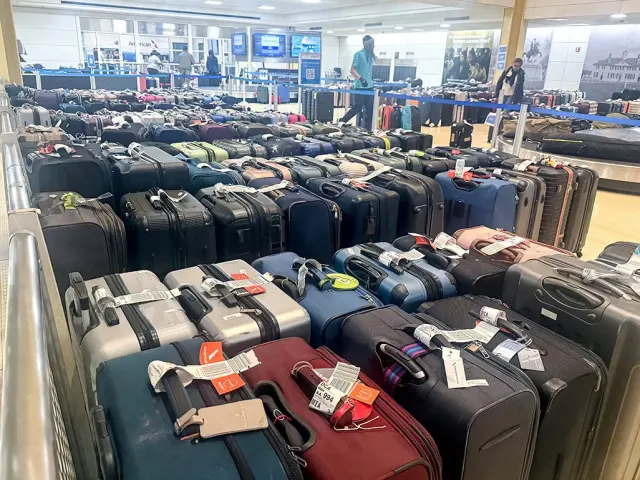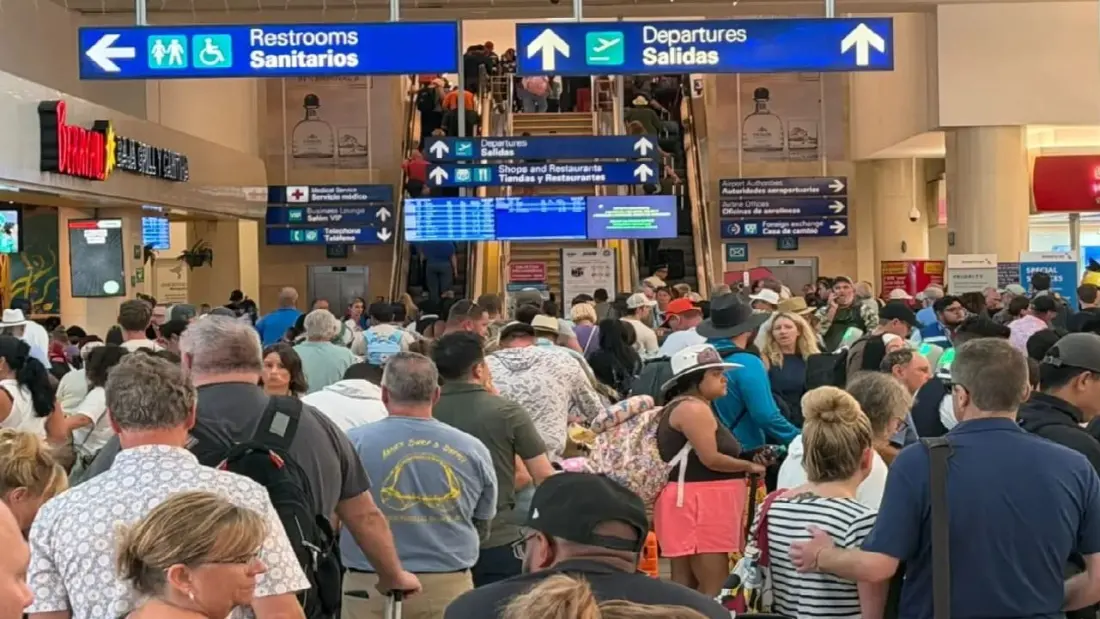
A telecommunications outage that hit US air traffic control on November 13 triggered a four-hour nationwide ground stop across the United States — and the ripple effects landed hard on Mexico's Caribbean coast, where thousands of travellers found themselves stuck at Cancun International Airport.
At least 57 flights serving Quintana Roo were knocked off schedule by the stoppage, according to state authorities. That might sound modest for a state that moves enormous tourist volumes, but with Cancun acting as the main gateway to the Riviera Maya, Tulum, Playa del Carmen and the wider Mexican Caribbean, even a short US-wide halt quickly backs up departure boards and hotel check-outs on both sides of the border.
Recovery was swift, if a little messy. Quintana Roo governor Mara Lezama Espinosa reported 553 air operations scheduled across the state's airports the following day as carriers worked through the backlog. Airlines continued tweaking timetables into the weekend, which authorities were quick to clarify was not a fresh wave of disruption — just the slow, unglamorous work of repositioning aircraft and rebooking passengers after a system-wide shutdown.
The state also rolled out its Guest Assist teams, staff deployed inside airport terminals to help confused or stranded tourists rebook, find information and generally navigate the chaos. If you've ever stood in a snaking Cancun queue with a dead phone and a missing connection, having an identifiable person to talk to is worth a lot.
Why does this matter to travellers? Two reasons. First, it's a reminder of how tightly Caribbean Mexico's tourism economy is wired to the US air traffic network — a software or telecoms failure hundreds of miles away can still cost you a beach day. Second, it shows the system absorbed the shock within roughly 24 hours: by Saturday, operations were broadly normal, and lingering delays were leftovers rather than new problems. If you were flying to or from Cancun around that date, checking directly with your airline remained the smartest move, since individual carriers were still adjusting schedules as they cleaned up.
For anyone with trips booked through US hubs to Mexican resort destinations, the practical takeaway is familiar but worth repeating: build buffer time into tight connections, keep airline app notifications switched on, and know that Mexican airport authorities increasingly have dedicated passenger-assistance staff on hand when things go sideways.