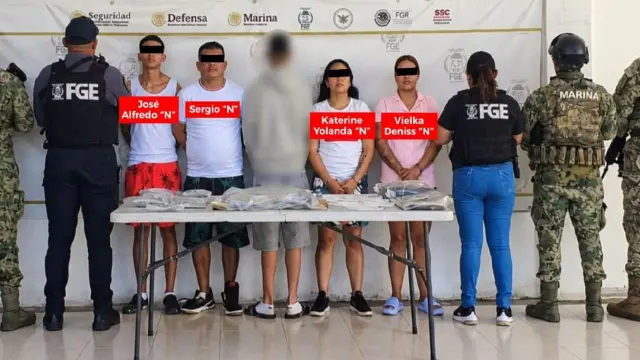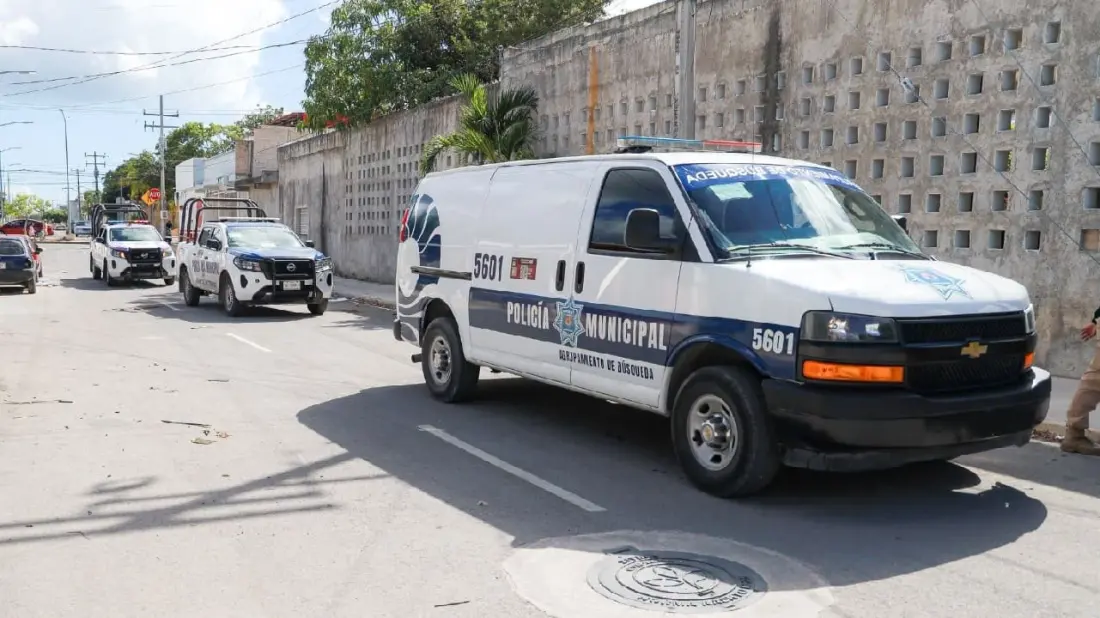
A police call-out on a residential street in Cancun has turned into a federal case. When Quintana Roo state officers responded to a report of people being held against their will near Los Jaguares Street last month, they found nine people at the scene, four of them apparently being held captive. Five suspects were arrested on the spot.
What started as a kidnapping investigation has since been reclassified. At the initial hearing, a judge recharacterised the charge as migrant smuggling, which falls under federal law in Mexico. The Attorney General's Office (FGR) has now taken over the case after the state prosecutor's office formally declined jurisdiction. Of the five people detained, three have been formally charged, and a judge has ordered them held in preventive detention while the investigation continues.
The reclassification matters because migrant smuggling networks and ordinary street crime are treated differently under Mexican law, and federal involvement usually signals a larger, organised operation rather than an isolated incident. Smuggling cases in the Cancun region often involve people moving north through the Yucatan Peninsula, and the handling of those cases sits with federal prosecutors rather than state authorities.
For travellers, the practical takeaway is modest but worth noting. Cancun's hotel zone, airport corridor and main tourist areas remain heavily patrolled and the vast majority of visits pass without incident. But this case is a reminder that migrant smuggling and people-trafficking operations do exist in pockets of the city, away from the resort strips. The usual advice applies: stick to well-known neighbourhoods, use official taxis or ride apps, keep valuables discreet, and avoid getting involved in any situation that looks like informal transport offers or paperwork help for money — that can be a front for smuggling activity.
Quintana Roo has invested heavily in tourist security in recent years, and incidents like this typically get resolved quickly and rarely touch visitors. Still, knowing that local police responded within minutes to a captive-holding call on a residential street is some reassurance: the system works, even if the machinery of justice then shifts up to federal level.
Anyone planning a Cancun holiday shouldn't read this as a reason to change plans. It's a story about how local crime gets processed, not a warning about the beach. Book the usual way, stay in vetted accommodation, and you're unlikely to notice any of it.