
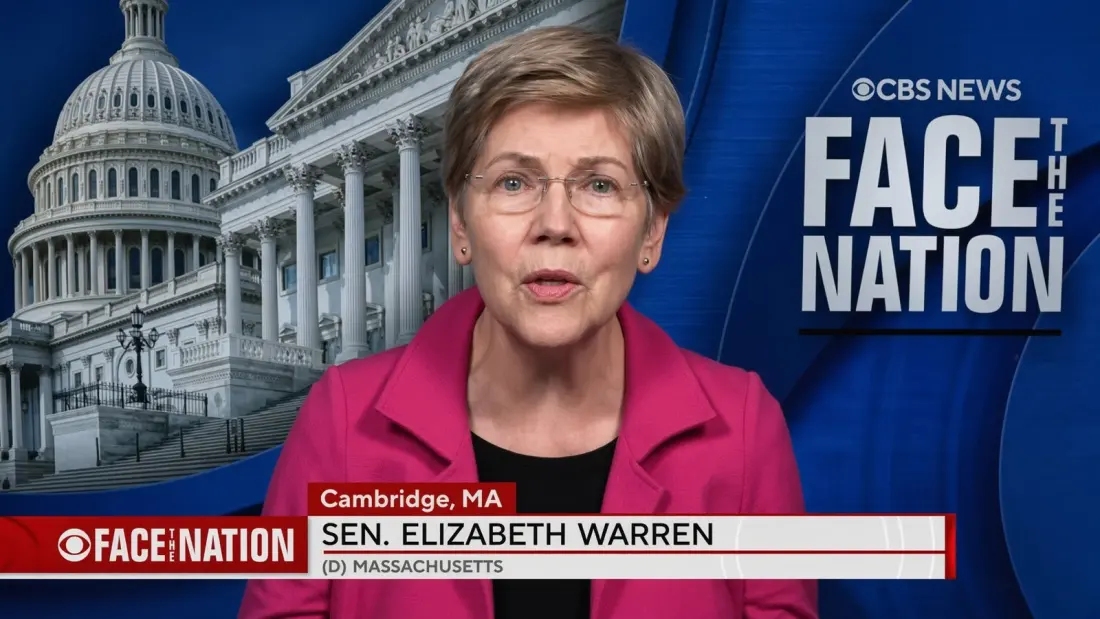
Senator Elizabeth Warren says she's ready to work with President Trump to cap credit card interest rates at 10%, telling Face The Nation in early November that Democrats "have the bills ready to go" for a joint push on the issue. It's an unlikely alliance — the progressive populist and the Maga economic camp rarely share a bill — but both have spent years attacking card issuers over high APRs, and a cap is the policy where their instincts overlap.
Why should a traveller care? Because the points and miles economy sits directly in the blast zone. The argument from critics, laid out forcefully by View from the Wing, is that a hard 10% APR cap would make unsecured lending unprofitable for a large chunk of borrowers. Issuers respond by cutting credit lines, closing accounts and rejecting applications. And when revolving balances stop generating revenue, the incentive to fund lavish rewards programs — the transferable points and co-branded airline cards that frequent flyers rely on — largely disappears. If cards stop being profitable, there's little reason to spend heavily on sign-up bonuses or 5x earning categories.
The knock-on effects reach airlines too. Co-brand card deals are a major revenue stream for US carriers; banks pay billions annually for miles-earning partnerships. Weaken that, the argument goes, and airlines lose a profitable cushion — which eventually shows up in fares and route economics. A thinner rewards economy means fewer subsidized premium cabins, weaker elite-status spending pathways and less value per point.
There are broader consumer effects as well. Credit utilization would spike as limits shrink, dragging down credit scores and raising the cost of mortgages, auto loans and even insurance in some states. Borrowers who lose card access wouldn't stop needing credit — they'd be pushed toward payday loans, pawn shops and overdrafts, typically at worse effective rates. Smaller card issuers, operating on thin margins, would be squeezed out, concentrating the market among a handful of giants. And fees would likely climb: annual fees, balance transfer fees and other charges become the fallback revenue when interest income is capped.
Supporters of the cap see it differently: 10% sounds like relief for households stretched by 20%+ APRs, and price-gouging anger is politically potent right now. Opponents counter that you can legislate a rate but not the underlying default risk — the product simply shrinks to serve only the safest borrowers.
Nothing has passed yet. This is a proposal being teed up, not law. But for anyone sitting on a large points balance or leaning on airline co-brand cards for status and redemptions, the smart move is to watch the legislative runway. If a cap gains real momentum, expect banks to reprice cards fast — devaluations, higher annual fees and trimmed bonuses tend to arrive before any law does. Points earned now may be worth banking and redeeming sooner rather than later, especially for high-value award bookings. Treat hoarded miles as perishable inventory, not a savings account.