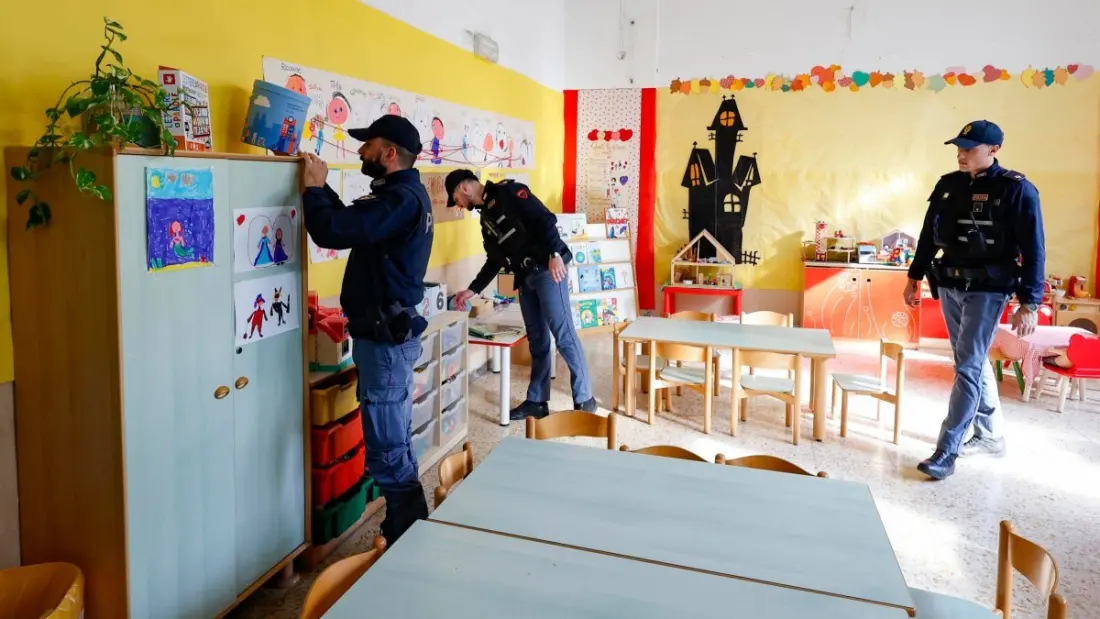
Over 300 schools across Italy were evacuated on Wednesday after an anonymous email claimed bombs had been planted on the premises. Italy's Education Minister Giuseppe Valditara put the number at 312 evacuated schools. Police found nothing, nobody was hurt, and Premier Giorgia Meloni was quick to say there was no sign of any concrete danger — the point, she suggested, was simply to generate alarm.
Italy wasn't alone. Schools in Ireland, Scotland and Northern Ireland received similar emails, though none there opted for evacuations. Police Scotland said it was treating the messages as hoaxes that did not represent a credible threat, while officers in Northern Ireland launched urgent inquiries after hundreds of schools were targeted.
The email itself had a nasty edge. According to copies seen by Italian media including LaPresse, it also threatened Meloni personally and was signed with the same Russian name used in threats against European broadcasters just a week earlier. The government has not blamed any state or group, and no evidence has tied the hoaxes to a government — though Meloni has previously pointed to pro-Russian hackers amid a broader run of disruptions, including a leak of Foreign Minister Antonio Tajani's personal data to the dark web and a hack of the company building the Brenner Base Tunnel between Italy and Austria.
For travellers, the more relevant context is what happened last week: dozens of flights across Europe were hit by bomb threats in a short spell, forcing diversions and leaving airlines working to keep passengers moving. False alerts are nothing new in aviation, but the sheer volume in such a concentrated window is unusual, and officials are clearly rattled. Defense Minister Guido Crosetto noted how low the barrier is — anyone with an email account can send a fake threat to a school, a daycare or an airline.
The practical takeaway for anyone travelling in Europe right now is modest but real: expect the occasional diversion or delay if this wave continues, build some slack into tight connections, and follow airline instructions promptly if a flight is grounded after an alert. On the ground, the school evacuations are unlikely to affect visitors at all — Rome's Mamiani high school students, for one, initially mistook their alarm for the recess bell and only learned what was going on once they were already outside.
The bigger story is a pattern: bomb hoaxes, drone incursions, sabotage of supermarket refrigeration systems and cyberattacks on infrastructure, all landing within weeks of each other across the continent. Authorities treat each one as a hoax or nuisance until proven otherwise, but the accumulation has put European governments on alert and kept security services busy. For holidaymakers, none of it currently signals danger — it signals patience at the airport and, perhaps, travel insurance that covers significant delays.