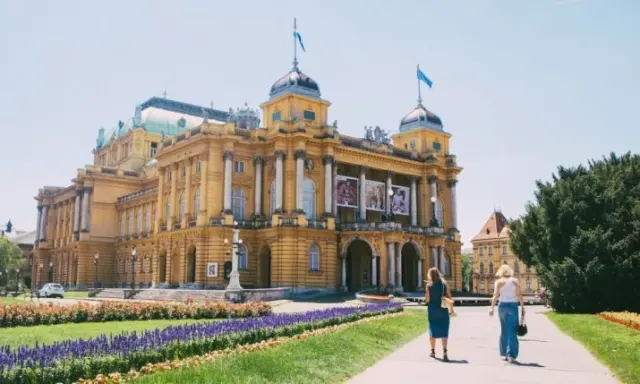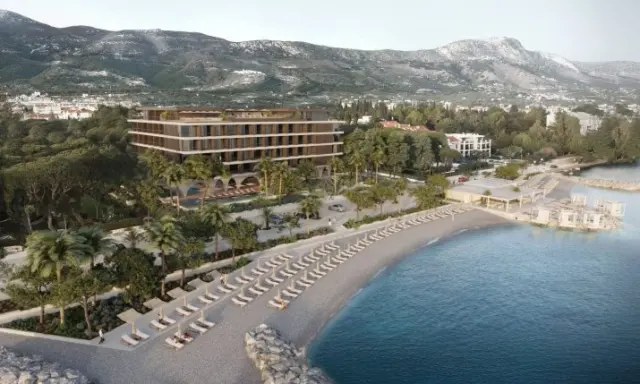
Croatia has clocked up 21.3 million tourist arrivals and nearly 109 million overnight stays across the first ten months of 2026, according to figures from the Croatian National Tourist Board. That's a 1.6% rise in arrivals and a 1% rise in nights compared with the same stretch of 2025 — solid if unspectacular growth, but the interesting story is who's driving it.
It's the Croatians themselves. Domestic overnight stays jumped 4.7% year on year, far outpacing the modest 0.4% growth from foreign visitors, who still make up 87.5% of all nights. October told a similar tale: around 1.2 million arrivals overall, but foreign arrivals actually slipped 0.3% while domestic arrivals surged 9%, with Croatian visitors clocking roughly 597,400 nights — up 8.5%.
The market mix is shifting too. Germany remains the top foreign market, but German nights in October dropped 8.7%. Slovenia (up 18%) and Austria (up 9.7%) picked up the slack, while British visits fell 3.4% and the American market held roughly steady. Post-season travel beyond the summer peak is clearly part of the strategy, with October now delivering over a million arrivals on its own.
Where people stay is changing as well. Hotels led October with 1.86 million nights, though that edged down slightly, and private accommodation dipped 2.6%. Campsites, meanwhile, grew 6% — the standout performer of the month. Across the full ten months, private accommodation remains the biggest single category with a 36.2% share of all nights. Geographically, Istria continues to dominate, accounting for roughly 28% of the country's total overnight stays.
Why should travellers care? A few practical signals here. Shoulder-season Croatia — October especially — is genuinely busy now, so expect decent weather, open facilities and lively coastal towns well past September. The campsites boom suggests good reason to consider a pitch or mobile home on the Istrian or Dalmatian coast, often a cheaper and more flexible option than hotels. And if you prefer Croatia without peak-August crowds, the data shows the country increasingly caters to visitors outside the high season, with local demand keeping restaurants, ferries and attractions running longer into autumn.
For anyone weighing markets: Slovenian and Austrian visitors are leaning harder into Croatia, which usually means better connections and package options from those directions. Istria's share of nights is a reminder that the peninsula — Rovinj, Poreč, Motovun and the truffle country around it — remains the heavyweight, and it pairs nicely with a detour inland.
Croatia Week