Cape Town's beaches are getting a pre-summer tune-up. From Tuesday 1 October 2024, the City will run its annual beach sand lowering programme across four popular coastal spots, aiming to finish by Friday 8 November — just before the strong summer winds and the festive holiday rush arrive.
The idea sounds simple but serves a real purpose. Parts of Cape Town's coastline have been heavily altered over the years, so windblown sand is a recurring headache. By scraping sand levels down along selected stretches, more seawater reaches the beach at high tide. That keeps bigger areas of sand wet, and wet sand doesn't blow around. The result: less loose sand piling up on adjacent roads, parking areas and other infrastructure when the south-easter picks up.
Deputy Mayor Eddie Andrews, the mayoral committee member for spatial planning and environment, framed it as a way to keep beaches manageable without spoiling anyone's fun. The goal, he said, is for beachgoers to have unhindered visits once the festive season rolls around.
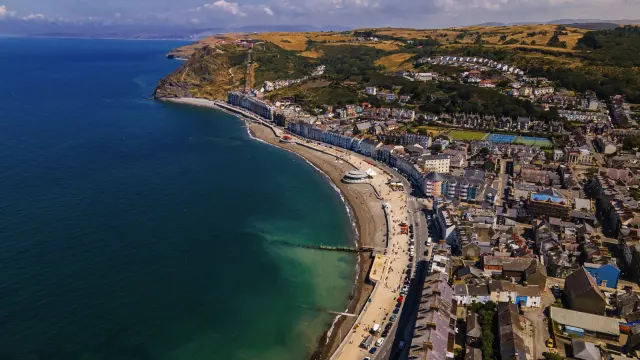
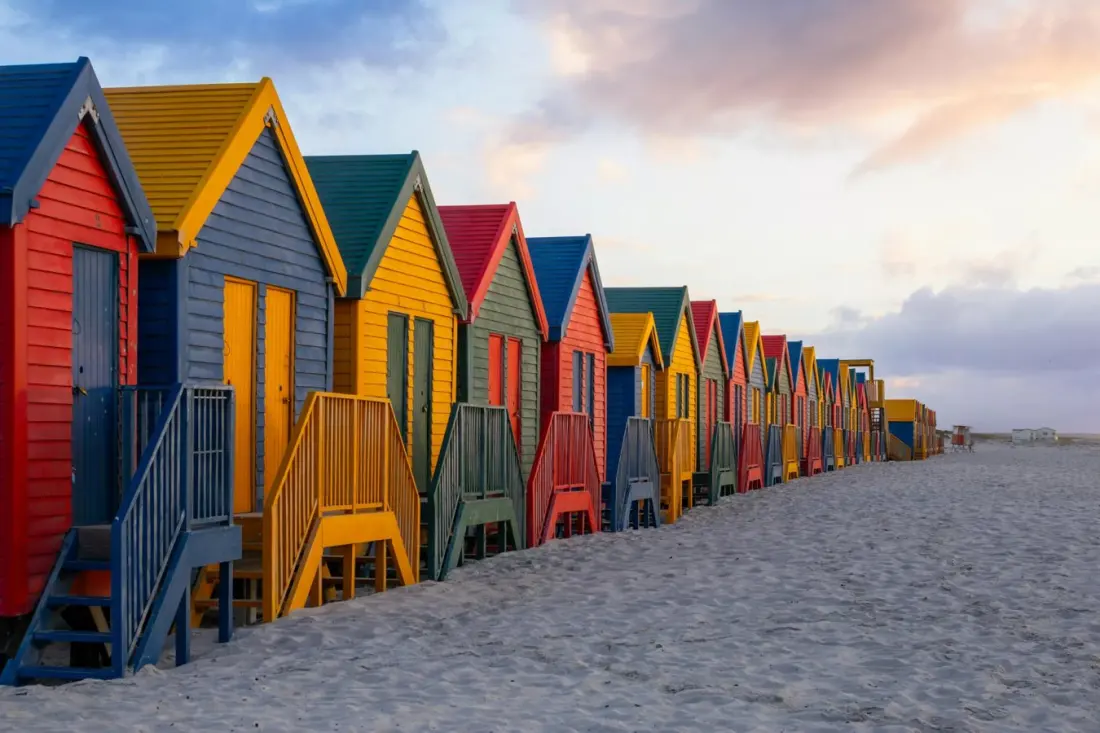
Four beaches are on the list, and they're big ones. At Fish Hoek, the work runs along Jager's Walk in front of the Galley Restaurant down to the stormwater outlet near the main car park. At Muizenberg — the city's most famous beginner surf beach — crews will work from Surfer's Corner to the Zandvlei River mouth. Over in Gordon's Bay, the section stretches from the Spur restaurant to the northern end of the parking area, and Bikini Beach will be mechanically lowered along its entire length.
Good news for anyone planning a trip: the beaches stay open throughout. Access won't be blocked while the machinery is at work, though the City asks visitors to keep a sensible distance from the equipment. If you're heading to any of these spots in October, expect a bit of activity on the sand but nothing that should derail a beach day.
For travellers, the timing is worth knowing. Late October and November are when Cape Town's notorious summer winds build, and sand blow at places like Muizenberg and Fish Hoek can be genuinely unpleasant. A lower, wetter beach profile should mean cleaner walkways, less sand in your car and fewer closures around parking areas come December and January — peak season, when these beaches are packed.