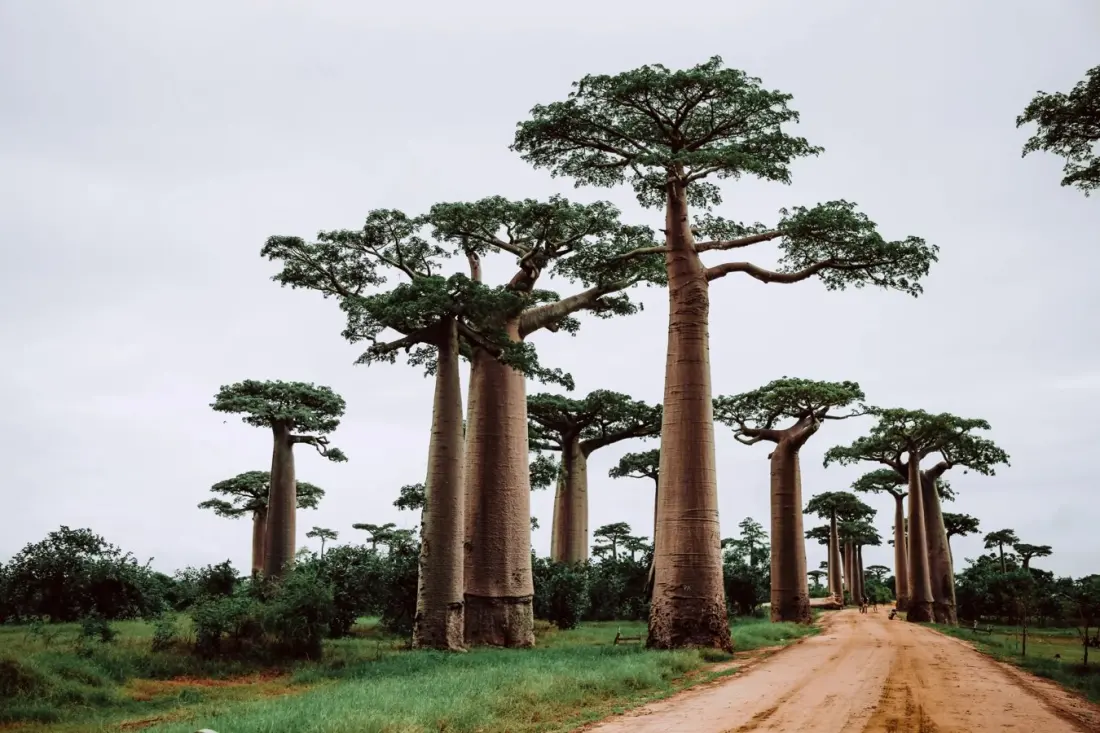
Five massive baobabs uprooted from private land in Limpopo's Waterberg district have been sitting in a Durban warehouse since July, their future uncertain after South African authorities blocked an attempted export.
The Department of Forestry, Fisheries and the Environment intercepted the trees on 17 July after the exporter couldn't produce the required licence. They had been dug up around Lephalale and trucked roughly 1,000 kilometres to Durban for shipment to Georgia. A follow-up permit application was refused, and an appeal against that refusal was dismissed on 27 October — leaving the trees in bureaucratic limbo rather than in the ground.
The department says it's now working with the South African National Biodiversity Institute to find them a new home, but as of early November no replanting date had been confirmed. That delay matters. Baobabs are protected trees, and specialists say prolonged storage can be fatal. Indigenous plant expert Geoff Nichols, after reviewing photographs of the trees, warned that months spent lying horizontally on hot paving in full sun is exactly the kind of treatment these giants can't easily shrug off.
There's some cause for optimism. Christopher Dalzell, former curator of the Durban Botanic Gardens, has volunteered his expertise free of charge and says the baobabs urgently need to move to a botanical garden or specialist nursery if they're to survive. The exporter's lawyers, meanwhile, argue the trees came from private gardens with their owners' consent — a claim that hasn't been tested in court, and the criminal side of the case remains unresolved.
Why should a traveller care? Baobabs are among southern Africa's most iconic sights — the massive silhouettes dotting Limpopo and the Waterberg are a big part of what makes a road trip through the region memorable. This story is a window into why they're worth protecting: ancient, slow-growing and increasingly sought after by overseas buyers, they can't simply be replaced if a shipment goes wrong. If you've ever plans to see them where they belong, the Waterberg and areas around Lephalale offer some of the best encounters, often combined with safari country near the Botswana border.
The next chapter depends on whether officials and volunteers can get all five trees replanted quickly. Stopping the export was step one; the rescue is the part that still has to happen.