
Britain's north-west tip feels a long way from anywhere, and getting there on foot is one of the toughest commitments in UK walking. The Cape Wrath Trail runs roughly 236 miles from Fort William to the Cape Wrath Lighthouse, threading through the western Highlands via peat bogs, moors, glens and coastal cliffs. It has a reputation as one of the country's most dangerous hikes — not because of sheer drops or predator-filled forests, but because of something subtler: it is entirely unofficial.
There is no waymarked route and no signage. Success comes down to navigation skill, self-sufficiency and a tolerance for getting soaked. Facilities are close to non-existent; hikers either camp wild, book into the occasional village, or sleep in bothies — basic free shelters, sometimes with a stove, often with nothing. Resupply chances are limited to a handful of small-town shops, and you can go days between them. You carry everything: tent, stove, clothes, food for long stretches.
Then there's the weather. The Highlands catch warm, wet Atlantic air that dumps rain on the trail with depressing regularity. Paths turn to mud, bogs take on a quicksand-like consistency, and rivers without bridges swell to tricky crossings. One German group summed up the experience to Adventure.com as having 'nothing but wet for two weeks.'
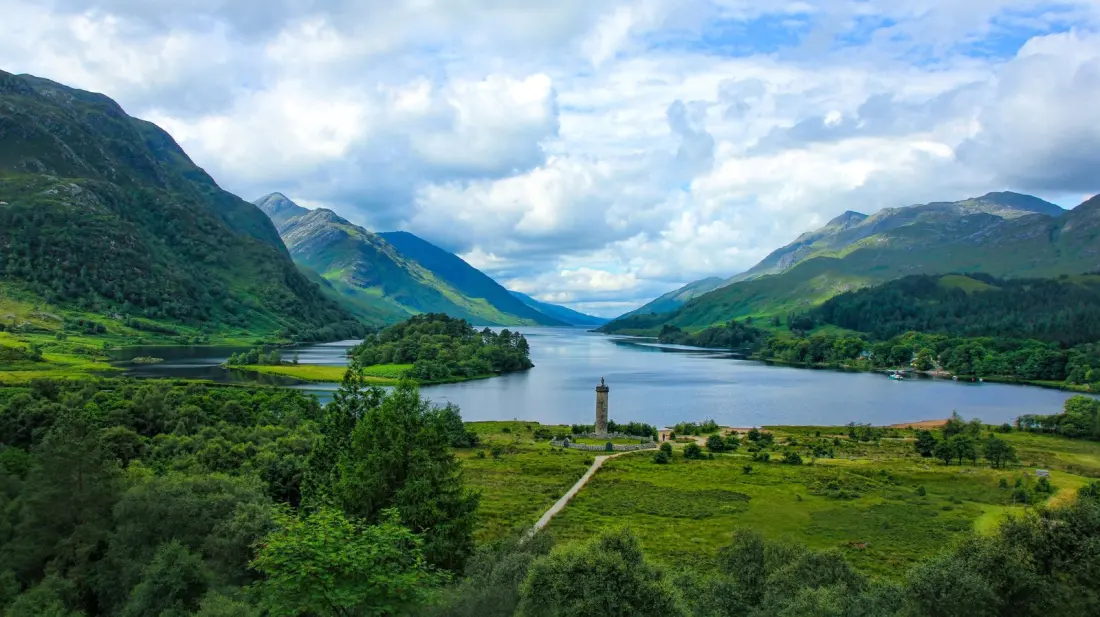
So why bother? The scenery is the answer. The walk starts under Ben Nevis, the UK's highest mountain, before splitting near the start: a harder line via a Loch Linnhe ferry, Glenfinnan and the rough Knoydart peninsula, or an easier option along the Great Glen Way and a chain of glens to Morvich in Kintail. From there the route crosses the region literally known as Scotland's Great Wilderness, hits its halfway mark near Ullapool — often called the UK's most beautiful village and a handy resupply stop — and continues through Assynt, where Eas a' Chual Aluinn, Britain's tallest waterfall at more than three times the height of Niagara, thunders down. Sandwood Bay's beach comes next, then the lighthouse itself at the country's north-westerly mainland corner.
For anyone who has ever fancied a long through-hike without flying to the Appalachians or the Alps, this is the home-grown equivalent — minus the trail markers, plus the midges and rain. It suits experienced, well-equipped hikers comfortable with map-and-compass navigation and multi-week wild camping, typically taking two to four weeks. If that's not you, sections near Fort William, Kintail or Ullapool can be tackled as shorter walks, giving you a taste of the landscapes without the full commitment.
The lack of official status is part of the appeal for many: this is Scotland at its emptiest and most atmospheric, the kind of country that inspired fantasy fiction and Robert Louis Stevenson's 'Kidnapped.' Just go with solid gear, a realistic plan and a healthy respect for the forecast.
Original story by Islands