A new private equity fund is being set up to bankroll companies across Central Asia and the Caucasus, and while it might sound like pure finance news, it could quietly shape how the region develops for visitors over the coming years.
The Central Asia and Caucasus Private Equity Fund, or CACPEF, brings together an unusual mix of backers: China Investment Corporation, Oman Investment Authority, Uzbekistan's Fund for Reconstruction and Development, Turkish fund OYAK, the Eurasian Development Bank (EDB) and Chinese brokerage Shenwan Hongyuan Securities. The plan is to pool long-term capital and industry know-how and put it into promising regional companies, supporting industrial development across a part of the world that has long struggled to attract serious institutional money.
According to the EDB, companies in the region often lack the patient, long-term funding they need to scale up and break into new markets. By linking international investors from China, Oman, Uzbekistan and Turkey with the bank's own regional expertise, the fund aims to give local businesses access to technology, market resources and industry connections they'd otherwise struggle to reach. EDB deputy chairman Daniyar Imangaliyev framed the move as a way of drawing extra resources into the economies of the bank's member states.
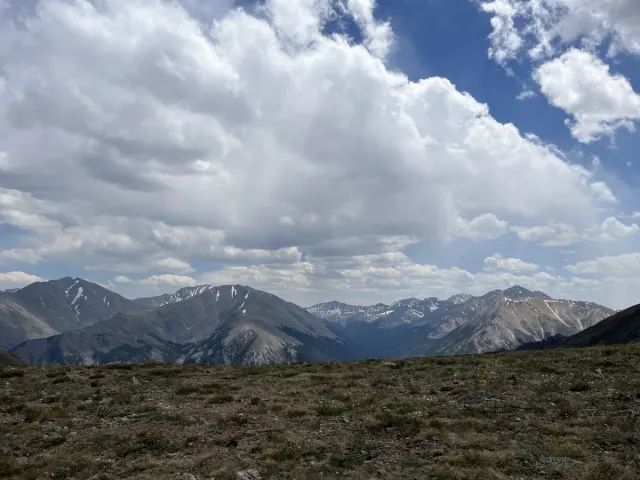
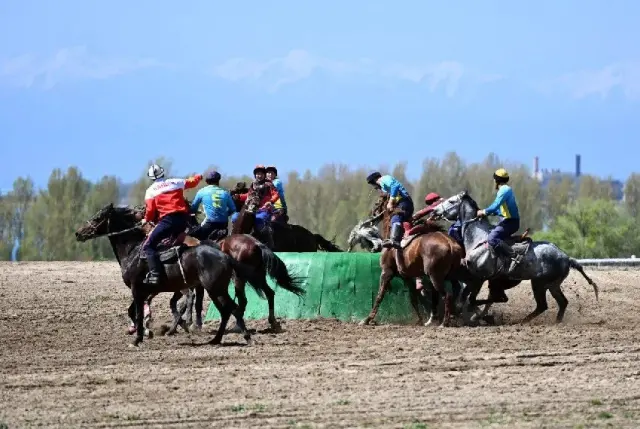
Why should a traveller care? Because the countries this fund targets — Kyrgyzstan, Uzbekistan, Kazakhstan and their neighbours — are among the most rewarding, under-visited corners of the world. Think Silk Road cities like Samarkand and Bukhara, the high alpine lakes and yurt camps of Kyrgyzstan's Tian Shan mountains, and the dramatic Caucasus valleys of Georgia and Azerbaijan. Better-funded local businesses mean more of what travellers actually want: comfortable guesthouses, reliable tour operators, upgraded transport links and infrastructure that can handle a growing flow of visitors without losing the region's character.
Central Asia's tourism boom is already real — visa-free regimes, new flight routes and social media attention have pulled in a rising number of visitors, especially since the region reopened fully to tourists. Money flowing into local companies should only accelerate that. The flip side, of course, is the usual balancing act: growth that improves services without sanitising what makes these places special.
For now, CACPEF is a story to watch rather than something you'll notice on your next trip. But if you've been eyeing Kyrgyzstan's trekking routes or Uzbekistan's ancient cities and waiting for the 'right time', know that the region is actively being primed for growth — and the window for seeing it in its wonderfully raw, low-key state is wide open right now.