July hits and the cafés of Central Portugal fill up. French, Swiss, British, Dutch and Belgian plates appear on the roads, shuttered houses open for the season, and village festas run through the warm evenings. But this isn't the Algarve — and that's exactly the point.
The numbers show two different countries. Portugal logged 3.4 million guests and 9.6 million overnight stays this July, yet in the Algarve foreigners account for over 80% of overnight stays, while in the Central Region it's only about a third. On the coast, entire towns reorganise themselves around summer visitors; inland, tourism simply joins communities that keep living the same way year-round.
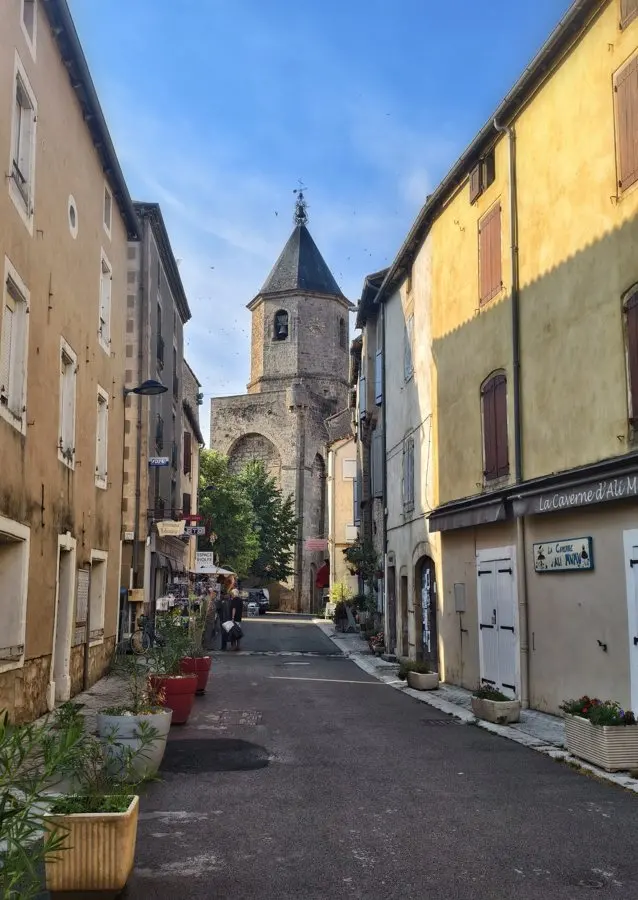
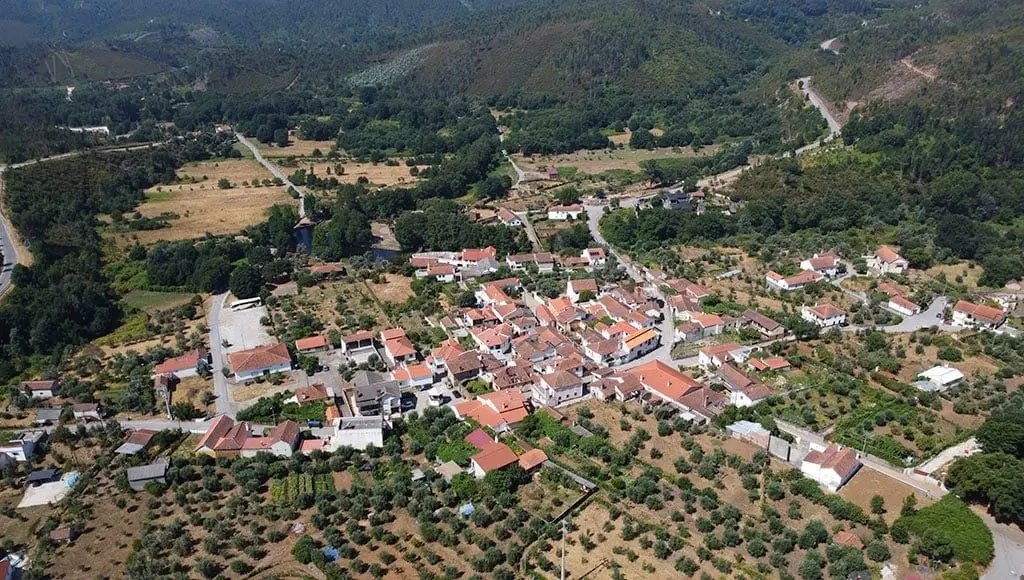
That changes what a holiday here looks like. Instead of packed ocean beaches, you swim at river praias flanked by forest. You eat in restaurants that stay open all winter because locals, not tourists, keep them in business. The days fill with markets, castle visits, schist villages and walking trails — experiences that were never built for visitors in the first place. Rural tourism in the region is growing around 7% a year, with foreign overnight stays up more than 10%, and Central Portugal now holds roughly 13% of the national rural-tourism market.
A big share of the summer crowd isn't technically tourists at all. Portuguese emigrant families return from France, Switzerland, Luxembourg and the UK to houses their families have held for generations. Foreign second-home owners arrive for the warm months, and a growing permanent expat population hosts a steady stream of visiting friends and relatives. The result is a seasonal blend of locals and outsiders that keeps the region international without letting it lose its Portuguese character.
Practically, this matters for two types of traveller. Holidaymakers who find beach-club coastlines exhausting will find cooler, quieter, cheaper summer here. And buyers will notice the property gap: inland houses, renovation projects and village properties still cost a fraction of established coastal prices. The trade-off is real — services are spread out, public transport is thin, and a car is non-negotiable.
Towns like Pedrógão Grande in Leiria district, with records stretching back to 1135, are growing carefully rather than explosively. Current projects include a planned 50-bed Ananda Spa, a historic mansion on Rua 5 de Outubro being converted into luxury apartments, and early interest in a derelict 15-hectare farm on the town's edge as a hotel site. Councils are backing small-scale development — restored buildings to rent, country hotels, walking and cycling holidays, destination restaurants — rather than trying to clone the coast inland, which would hollow out the very thing that makes the region appealing.
If your idea of a good summer involves river swimming, village grilled sardines and trails without queues, Central Portugal is having its moment — quietly, on its own terms.