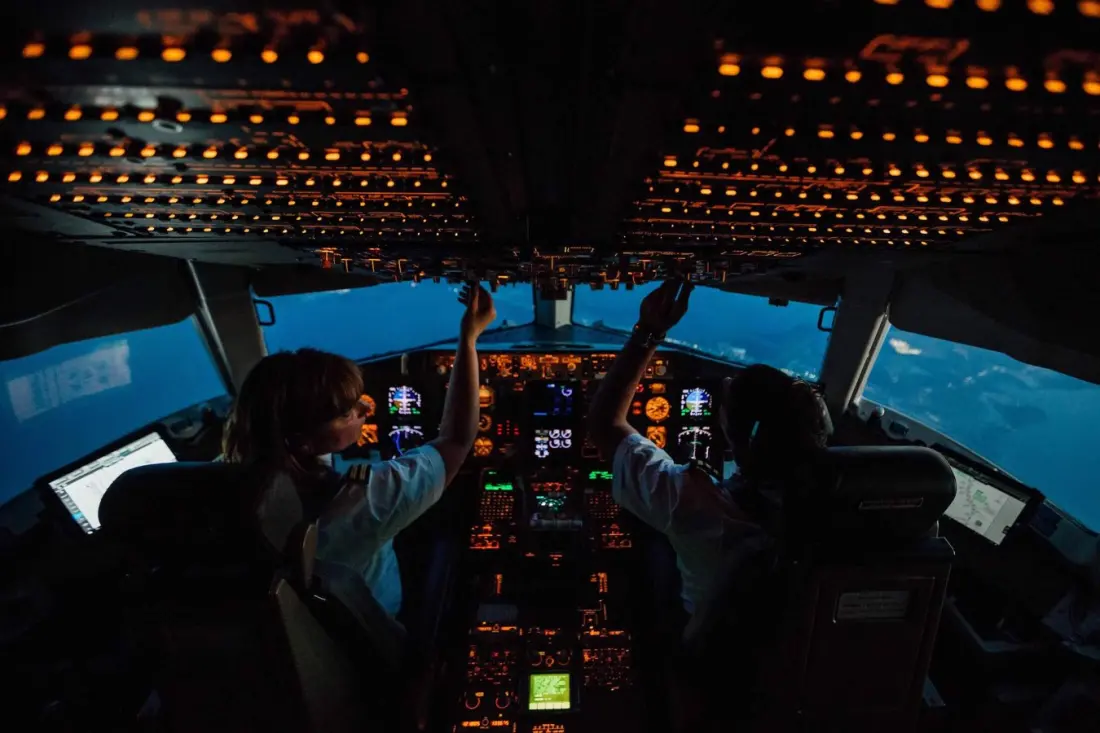
A fresh Delta Air Lines first officer reportedly answered his personal cellphone while his aircraft was taxiing for departure — and the captain decided that was enough. Rather than continue toward the runway, the captain turned the plane back to the gate, had the new hire removed, and, according to the account, the pilot was subsequently fired. If true, it's a spectacularly short-lived start to an airline career.
The story comes via the Black Box Aviation Podcast, which was discussing cockpit distractions and the consequences of personal phone use on the flight deck. It's worth flagging the caveats: no flight number or date was given, Delta hasn't commented, and tales like this have circulated in online pilot forums for years. So treat it as a podcast's account rather than a verified incident.
Still, the aviation logic behind it is solid. Some passengers might think firing someone over a phone call on the ground is harsh — the plane wasn't even airborne. But taxiing counts as a critical phase of flight under the FAA's sterile cockpit rule, which prohibits crew activities that could distract from operating duties. While the captain steers, the first officer is supposed to monitor the aircraft's progress and air traffic control instructions. A wrong turn or a missed clearance can have serious consequences, and the rules also restrict personal wireless devices at crew duty stations — covering calls, texting and browsing, with narrow exceptions for approved operational procedures.
What makes the story striking, if accurate, is the timing. The pilot was reportedly in Initial Operating Experience, or IOE — the supervised phase where a new hire flies real trips while a check pilot evaluates whether they can apply the airline's procedures in practice. In other words, this was the exact moment to prove you take those rules seriously. A veteran pilot slipping up is one thing; a trainee doing it under an evaluator's nose suggests a judgment problem the captain may not have been willing to gamble on.
The writer behind the account is measured about the dismissal itself — we don't know whether there were prior concerns or what explanation was offered, and not every training error should end a career. But on the captain's decision to return to the gate, there's little sympathy to spare. A short delay for passengers beats a crew member whose colleague has lost confidence in them. And most of us know the reflexive pull of a ringing phone; the point is that there are jobs where the phone simply stays put, and flying a passenger jet is the textbook example.
Why should travellers care? Because it's a small window into why your flight sometimes returns to the gate, and why that's usually a good sign rather than an annoyance. Crews are trained to err on the side of caution, and the rules governing what pilots can do in the cockpit are stricter — and more strictly enforced — than most passengers realise. If you've ever been delayed by an unexplained gate return, this is the kind of judgment call that might have been behind it.