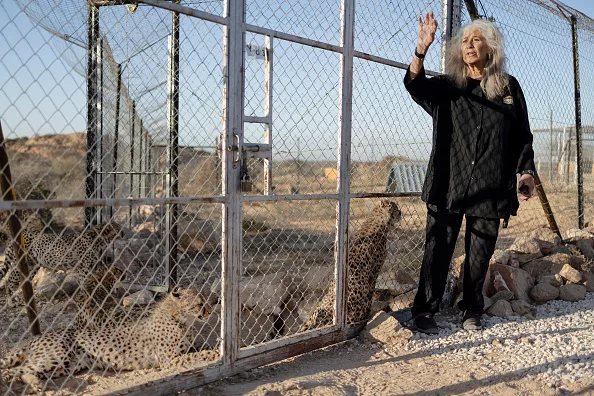
International Cheetah Day falls on 4 December, and behind it sits one of conservation's most stubborn success stories. American biologist Dr Laurie Marker has spent nearly 50 years working to save the cheetah, a species now down to fewer than 7,000 individuals in the wild.
Her connection to these cats started in 1977, when she arrived in Namibia with Khayam, a captive-born cheetah cub, to test whether hand-raised cheetahs could learn to hunt and survive in the wild. The project answered its scientific questions, but it also exposed a bigger problem: Namibian livestock farmers were killing wild cheetahs in large numbers, seeing them as a threat to their herds.
That discovery reshaped Marker's life. In 1990 she sold her possessions in the United States and moved permanently to Namibia, founding the Cheetah Conservation Fund (CCF). Today the organisation runs serious scientific infrastructure, including a genetics laboratory and veterinary facilities, alongside education and community outreach.
What sets CCF apart is its refusal to treat farmers as the enemy. The organisation's best-known idea, the use of livestock guarding dogs, has helped reduce conflict between herders and cheetahs, making coexistence practical rather than idealistic. The philosophy is simple: wildlife protection fails unless it addresses the economic pressures driving people to kill predators.
Marker's work has also expanded far beyond Namibia. One of the most urgent threats to cheetahs today is trafficking — cubs are captured in the Horn of Africa and smuggled into the exotic pet trade, largely for buyers in the Middle East. Many are taken so young that they never learn to hunt, and many do not survive the journey. In 2016 CCF opened a second base in Somaliland, rehabilitating rescued cubs and supporting authorities against trafficking networks.
Even International Cheetah Day itself carries a personal story: Marker founded it in honour of Khayam, born on 4 December 1976. Nearly five decades later, her mission — from a single research cub to an organisation operating across Africa — shows how one encounter can turn into a lifetime's work. For travellers who care about wildlife, it's also a reminder that responsible tourism can directly support the people and communities doing the hard conservation graft.