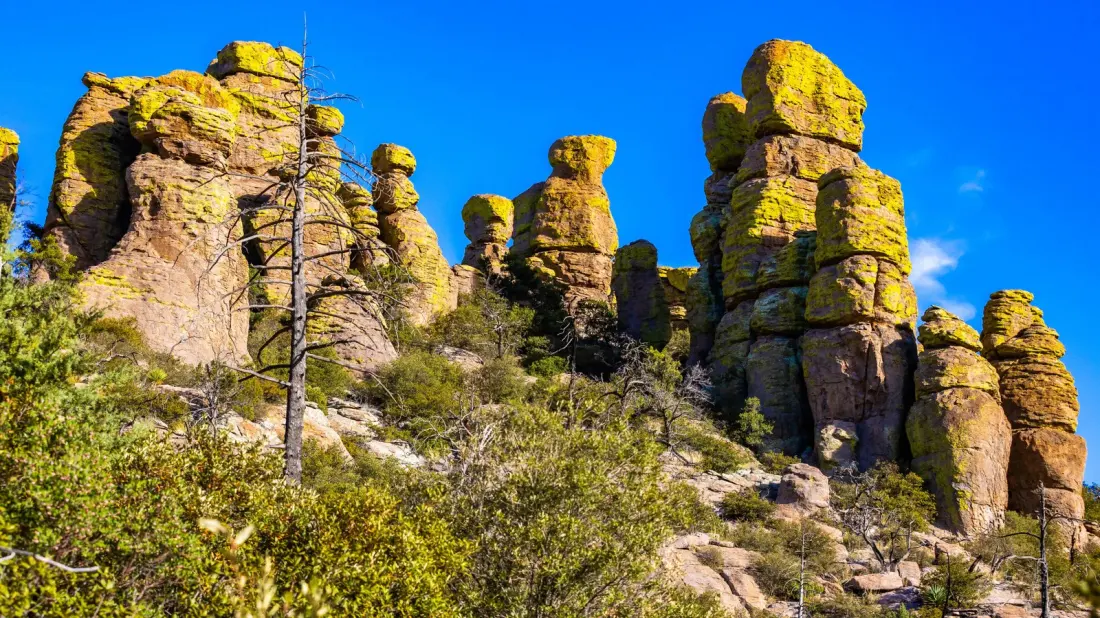
Congress has passed a bill to upgrade Chiricahua National Monument in southeastern Arizona to full national park status, and it now just needs the president's signature. Once signed, it will become Arizona's fourth national park, joining the likes of the Grand Canyon, Saguaro, and Petrified Forest. The push started back in 2016, with Representative Juan Ciscomani reintroducing the 2025 version in the House.
So what's actually there? Chiricahua is a 19-square-mile stretch of land about two hours east of Tucson, filled with towering rhyolite hoodoos, caves, and slot canyons. The rock formations are the aftermath of a colossal volcanic eruption around 27 million years ago, which also created the 12-mile-wide Turkey Creek caldera. Erosion did the rest, sculpting the pinnacles that Apache people long called "The Land of Standing-Up Rocks." President Calvin Coolidge first protected the site as a national monument in 1924.
For hikers, the draw is miles of trails threading between the rock spires, with options for most ability levels. If you'd rather not walk it, the 8-mile Bonita Canyon Drive climbs to Massai Point for panoramic views over the whole formation field. Because the monument sits far from any major city, its night skies are exceptionally dark — it's considered one of the better stargazing spots in the region.
The quiet is the point, and also the thing that's about to change. Chiricahua drew roughly 62,000 visitors in 2023, a fraction of what headline parks see. National park status typically brings a bump in tourism — it's a bucket-list designation, and plenty of travellers try to collect all 63 parks. Park boundaries will stay the same, and it's not yet clear whether staffing will grow, but local officials in Cochise County are banking on the attention boosting local businesses and the wider economy.
The monument-to-park path is a familiar one: Pinnacles in California made the same jump under the Obama administration, and Chiricahua may not be the last upgrade, with other monuments and forests already floated as future parks.
Why go now? Pre-designation is the sweet spot — you get the scenery without the tour buses. If you're planning an Arizona trip and want something beyond the Grand Canyon's crowded overlooks, Chiricahua offers a genuinely under-the-radar alternative with landscapes that look closer to Bryce Canyon than the typical Sonoran Desert postcard. Expect that window to narrow once the national park signs go up.