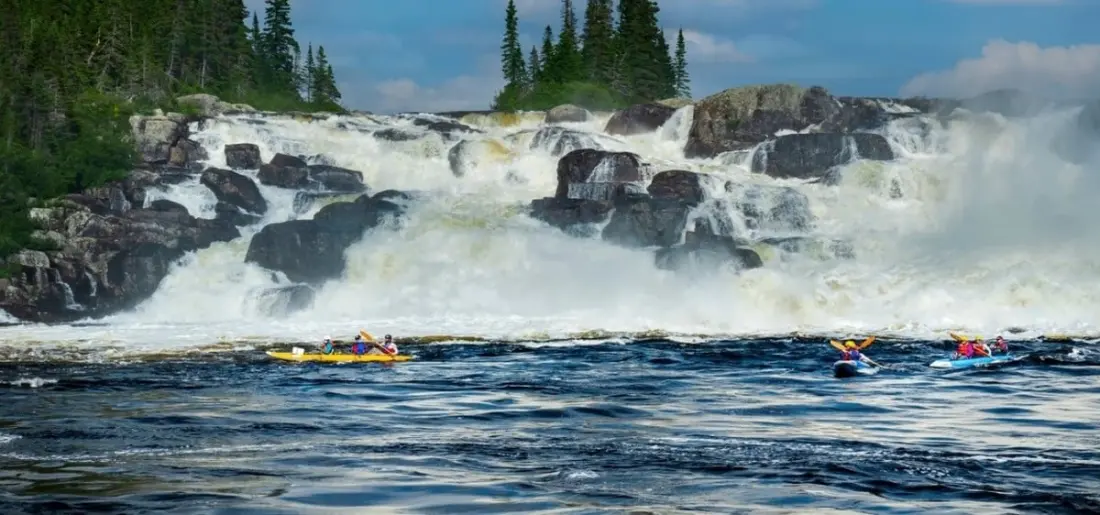
A 280-kilometre river in eastern Quebec has been granted legal personhood, and it might just be the most interesting conservation story in adventure travel right now. The Magpie River - Mutehekau Shipu, or "river of the rocky cliffs", to the Innu First Nation communities who have lived alongside it for centuries - is ranked among the world's top ten stretches for multi-day whitewater trips. Kayakers, canoeists and rafters come for its wild, pristine water running through gorges on Quebec's North Shore region.
For years the river faced the same threat that has befallen two thirds of the world's waterways: a proposed hydropower dam that would have flooded its gorges and stopped its flow from source to sea. The nearby Romaine River had already been dammed in the early 2010s. Enter Mathieu Bourdon, founder of kayaking outfit Noryak Adventures, who teamed up with Innu leader Chief Piétacho in 2018 to form the Muteshekau-shipu Alliance, uniting Indigenous and non-Indigenous local governments and environmental groups.
Their lawyer, Yenny Vega Cárdenas of the International Observatory on the Nature's Rights, proposed something radical: give the river the legal status of a person. The approach, already used to protect ecosystems in Ecuador, New Zealand, Spain and Colombia, worked. Three years later, the Innu Council of Ekuanitshit and the Minganie Regional County Municipality declared the river a legal person with nine rights - including the right to flow, to maintain biodiversity, to be free from pollution, and even to sue.
The story drew attention at the Adventure Travel World Summit in Quebec City, where Bourdon shared the stage with conservationist Neil Midlane to discuss how tourism in protected areas can support conservation. It's a good example of nature-based tourism doing genuine protective work: the river's value as a world-class paddling destination was part of the argument for saving it.
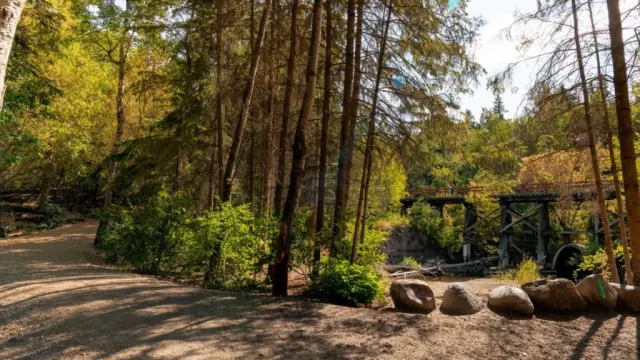
Quebec itself is worth understanding at scale. The province is 1.5 million square kilometres - 25% larger than South Africa - yet holds only about nine million people, most living in cities. Half the land is forest, threaded with more than a million lakes and rivers, giving it a freshwater surface area equivalent to nine Kruger National Parks. Jacques-Cartier National Park, an easy day trip from Quebec City, offers soft forest trails and fast, clean rivers that one visitor described as ideal for the Japanese practice of shinrin-yoku, or forest bathing.
For paddlers, the takeaway is simple: the Magpie is now protected not as a resource but as an entity with inherent rights, following a line of thinking long central to many Indigenous cultures. As Mutehekau Shipu Alliance member Uapukun Mestokosho put it in National Geographic, the river and trees are ancestors who deserve to live. If a multi-day wilderness river trip is on your list, this one now comes with a guarantee that it will still be flowing wild when you get there.