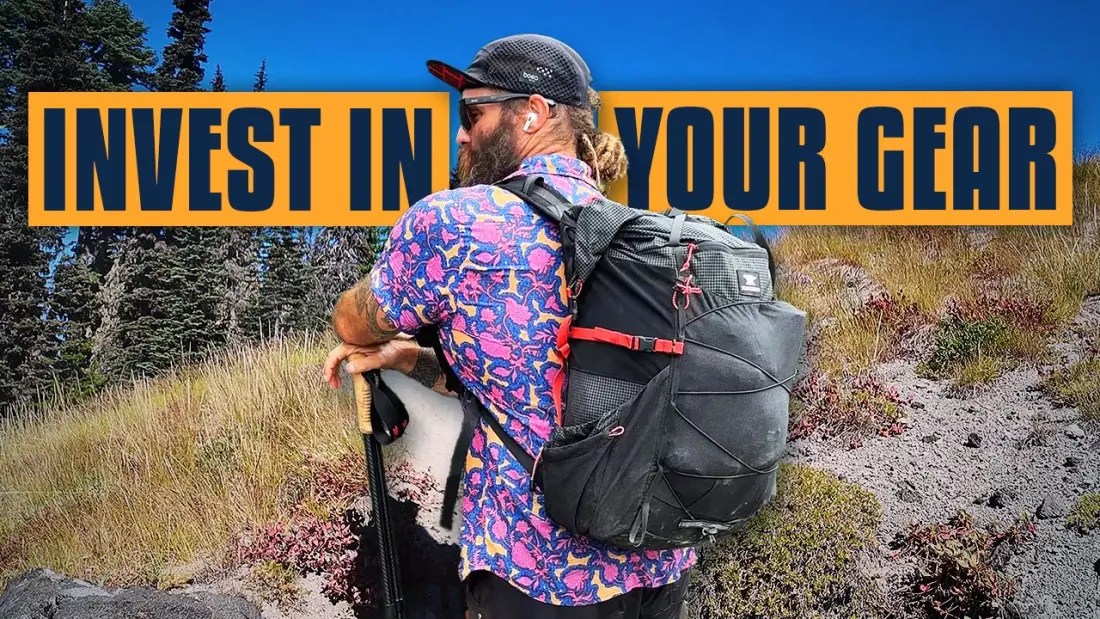
After more than 25,000 miles on long-distance trails, one seasoned thru-hiker has a clear rule of thumb: spend money where you spend your hours. Sleeping, walking, sheltering, carrying — that's where the premium dollars belong, and everything else can be budget gear.
The sleep system tops the list, since a rough night can sink an entire day of hiking. The writer swears by the Montbell Down Hugger sleeping bag, whose spiral diagonal baffles let the bag stretch with wide shoulders, and which unzips into a quilt for warmer nights. A thick, insulated air pad — the Sea to Summit Ether Light XT Insulated at roughly $200 — beats flimsy foam mats that leave you with dead arms and a stiff neck. The math is simple: one bad night on the ground and you're paying for a hotel room in the next town anyway. A small inflatable pillow rounds out the kit.
Shelter is the second priority, because when the weather turns you may be stuck inside it for hours or days. Tents range from $40 bargain-bin models to $1,000-plus ultralight builds, with the sweet spot around $300–$600 — think trekking-pole A-frame designs with real headroom and dual doors. One warning: the priciest fabrics aren't always the toughest, and a torn ultralight tent can strand you.
Your pack and shoes are on your body all day, so cheap versions punish you twice. A badly sewn shoulder strap can tear mid-hike and end the trip, and budget trail runners fall apart faster, cost more over time, and can genuinely hurt your feet. The writer landed on well-cushioned Altras after three long hikes of trial and error — and notes that more miles tend to mean more cushion needed.
Two safety-focused picks close the list. A premium down puffy (the Montbell EX Light Anorak weighs about 7.5 oz with 900-fill power) is framed as a hypothermia insurance policy for camp and emergencies, and it can last six to eight years. Carbon fibre trekking poles, meanwhile, double as structural supports for your shelter — snap a cheap pair and you could lose both your balance and your tent. The closing advice applies to all of it: gear is only worth the money if you take care of it.
For travellers, the takeaway is straightforward. Whether you're planning a thru-hike or just a multi-day trek on holiday, put your budget into the items that touch your body or keep you warm and dry, and cut corners everywhere else. Ask of any expensive item: does it fix a problem I feel every single day out there? If you can't explain what the extra cash buys you, keep your wallet shut. If it means sleeping well, walking pain-free, and staying safe in a storm, it'll pay for itself over years of trips — often cheaper than a string of budget replacements.