A small Andean farming town best known as a stop on the highway between Bogotá and the east is having its moment. Ventaquemada, in the Colombian department of Boyacá, is the setting of a microreportage that just won a national storytelling prize — and it's all about potatoes.
ColombiaOne, a digital outlet publishing in English and Spanish, took the C1 Microreporting for Social Media category in the second round of Narra tu Territorio, a competition run by Colombia's Ministry of ICT (MinTIC) and implemented by regional broadcaster Canal Trece. Out of 222 proposals nationwide, 75 were chosen as winners across three categories: social media microreportages, serialized chronicles and short films. In the C1 category, 30 of 34 entries made the cut.
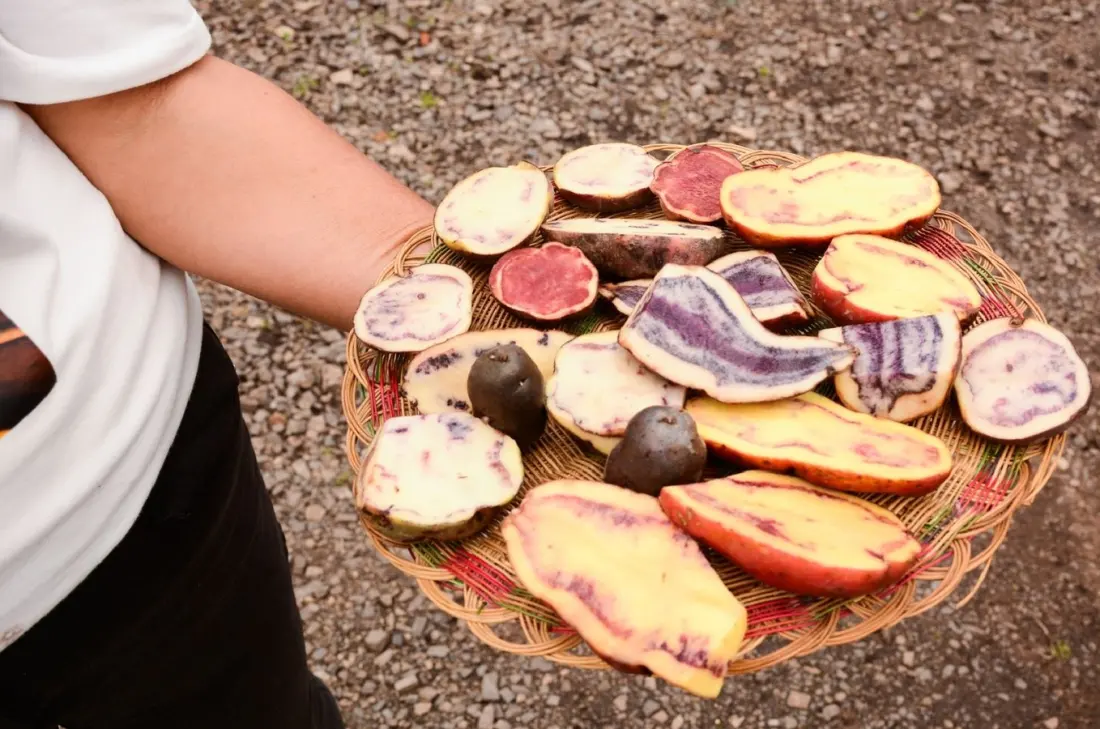
The winning piece, "Tesoros Nativos: la papa que Boyacá no dejó morir" ("Native Treasures: The Potato Boyacá Refused to Let Die"), follows more than 50 farming families in Ventaquemada who are keeping ancestral potato varieties alive — crops with roots in the agriculture of the Indigenous Muisca people. Many of the participating households are led by rural women, and the project is presented through the eyes of its director, Judy Emicle Briceño Castro.
What makes the story resonate beyond the awards ceremony is the setting: Andean farmland sitting roughly 2,800 metres above sea level, where food, identity and memory are still tightly woven together. Ventaquemada usually registers with travellers only as a highway waypoint, but the report reframes it as a living archive of Muisca-era agriculture and community organisation.
For anyone planning a trip through Boyacá — a department that also takes in Villa de Leyva, the salt cathedral country of Zipaquirá on the way from Bogotá, and high-altitude páramo landscapes — the story is a nudge to slow down and eat locally. Native potato varieties appear on plates across the region, often in hearty soups like cuchuco or served with aji (a herby, spicy condiment) alongside papas criollas at roadside restaurants. Rural and agrotourism initiatives such as Tesoros Nativos offer a way to meet the families behind the crops rather than just passing through.
The competition itself is worth knowing about if you follow Colombia beyond the guidebooks. It sits under the Medios en Red 2.0 program, which backs community, alternative and digital media, and it deliberately allowed independent, non-formalised outlets to compete. Winners receive financial incentives and institutional distribution, helping hyperlocal stories reach national and international audiences.
Why should a traveller care? Because the best reasons to detour off Colombia's main routes often come from exactly this kind of reporting — stories about people, food and traditions that never make the front pages. A potato might not sound like a headline, but in Ventaquemada it's the thread connecting pre-Columbian history, women-led farming cooperatives and some genuinely good eating at 2,800 metres.