A week after the huge earthquake that struck western Colombia, the picture is grim but clearer. The official death toll stood at 304 as of Tuesday 18 August, with many more injured or displaced and a reconstruction effort that will take years, not months. The epicentre was San José de Palmar in the department of Chocó, one of the country's poorest and most isolated regions, where entire villages collapsed. Because those communities are hard to reach, both emergency response and long-term rebuilding face serious logistical hurdles.
The quake hit hard well beyond Chocó. Buenaventura, Colombia's main Pacific port, saw buildings collapse and had to shut the port, complicating both aid deliveries and the trade the city depends on. Cali, the largest badly affected city, suffered building collapses and mass evacuations, with the military deployed under an immediate lockdown. In the coffee axis, Armenia, Manizales and especially Pereira were badly hit, with damaged buildings evacuated as a precaution.
New president Abelardo de la Espriella declared a localised state of emergency and has leaned on Colombia's skilled domestic search-and-rescue teams rather than unaccredited foreign volunteers, a decision that has divided opinion. A 'Marshall Plan' for rebuilding has been announced, though details are thin. This was the country's third-largest earthquake on record — Colombia sits on the Pacific ring of fire — and while the aftershock threat has eased, small tremors have continued around Chocó.
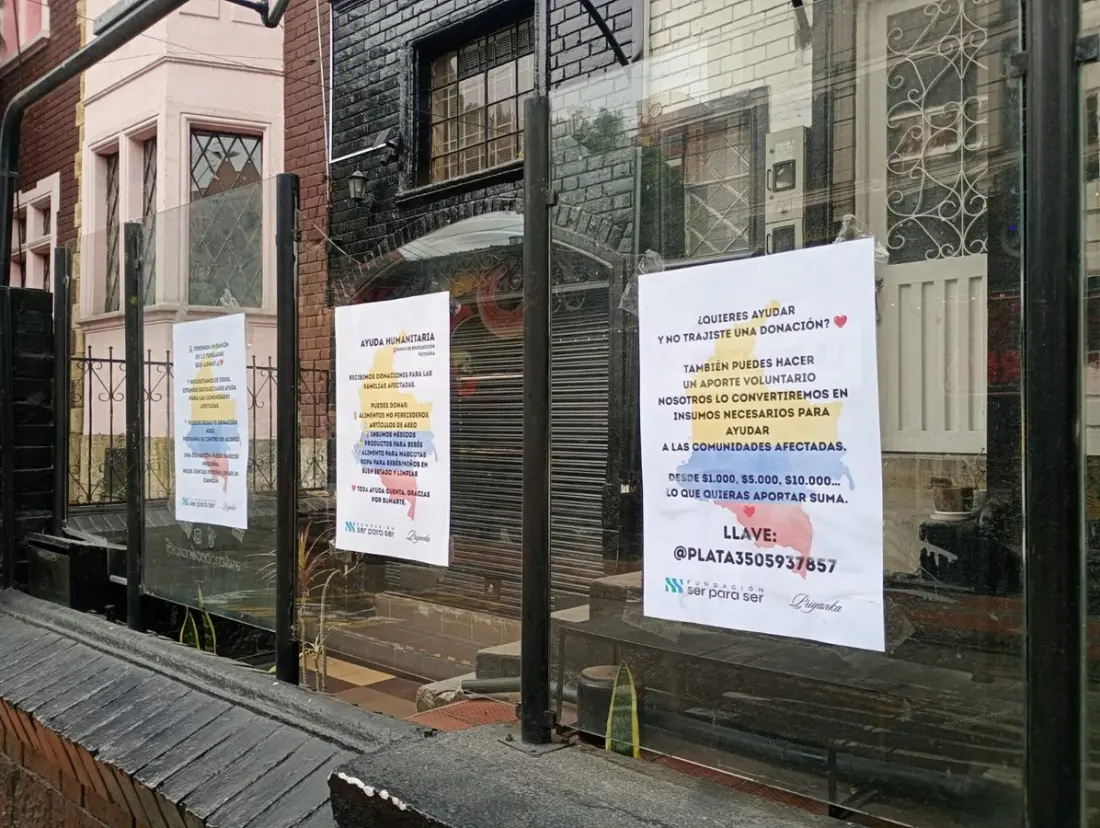
The response from ordinary Colombians has been striking. Bogotá alone has shipped over 2,000 tons of aid, with donations accepted daily from 8am to 8pm at the palacio de deportes in Salitre, staffed by volunteers. Small, agile local organisations have moved faster than large international agencies in many areas, though the Cruz Roja remains a reliable option. Donations of clothes, torches, food, medical supplies and bedding are priorities, plus less obvious items like children's toys and whistles. Chains such as D1 will send a supply kit on your behalf.
For travellers, the advice is simple: avoid non-essential travel to the affected regions for now, as roads are congested with relief efforts. Once things stabilise, returning tourism income will be genuinely welcomed. And if you're ever in Colombia during a quake, the basics are worth knowing — keep a go-bag with long-life food, a first aid kit, torch, radio and whistle, use stairs not lifts, head to open ground, and expect not to re-enter your home quickly as safety teams work through a priority list.