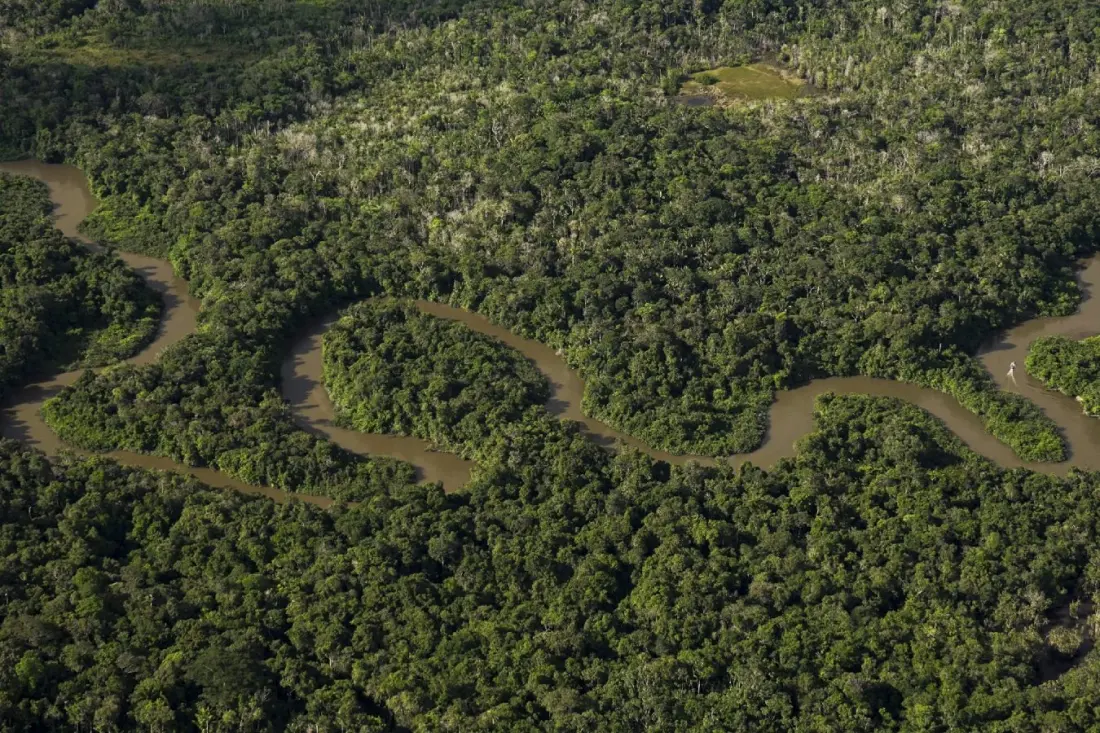
Colombia has landed nearly 20 million euros (about US$22.4 million) from Germany, the United Kingdom and Norway to keep its flagship Amazon conservation programme running. The money funds a third phase of REM Vision Amazonia, a Ministry of Environment initiative that has spent a decade paying for results rather than promises: funding is tied to verified cuts in deforestation and forest degradation.
The new phase is due to start in September 2027 and run for five years. It builds on two earlier rounds of work with Indigenous and farming communities, local governments and environmental authorities across the Colombian Amazon. The idea is straightforward — communities earn income from keeping the forest standing, through sustainable production rather than logging and land clearance.
The announcement came at the close of a joint monitoring mission with the three donor countries, and the government is framing it as a major win in the early days of Abelardo de la Espriella's administration. Environment Minister Fabio Arjona called it proof that Colombia can protect its forests and turn results into international confidence and new opportunities for local communities. Katharina Anschutz, a senior portfolio manager at German development bank KfW, stressed that continuity is what makes lasting change possible: many results simply cannot be achieved overnight.
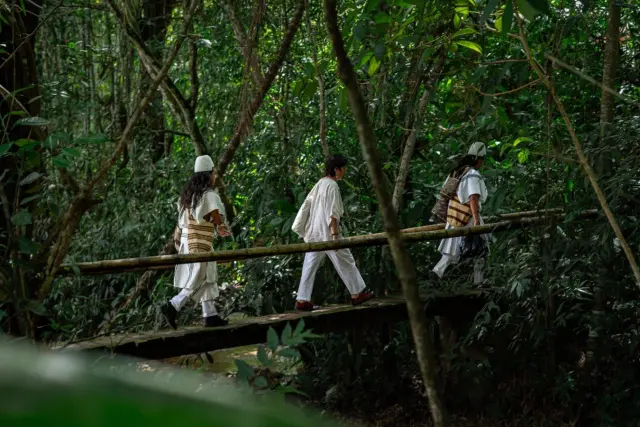
Why should a traveller care? Because the health of the Colombian Amazon directly shapes what you can actually experience there. Programmes like REM support the community-run tourism, sustainable cacao, rubber and açaí economies that let places like Leticia, Puerto Nariño and the villages around Amacayacu National Park welcome visitors without sacrificing the forest. Ten years of trust-building with Indigenous communities has also made locally guided, conservation-linked travel more viable — the kind of trips where your money supports the people keeping the trees upright.
The Colombian Amazon remains one of the country's quieter corners compared with the Andes or the Caribbean coast. That's part of the appeal: river journeys on the Amazon and its tributaries, pink river dolphins, night walks with Indigenous guides, and towns where motor vehicles are banned, as in Puerto Nariño. Continued international funding makes it likelier that this model — conservation paying its way — survives political cycles.
Whether you're planning a trip or just tracking how ecotourism destinations hold up over time, this is good news for one of South America's most under-visited rainforest regions.