Bogotá's National Museum — one of Colombia's most-visited cultural attractions and a staple on any capital-city itinerary — has become the flashpoint in a national argument about who gets to tell the country's story. President Abelardo de la Espriella's government has removed dozens of objects and documents from the museum's permanent galleries, and the reaction from academics and museum professionals has been swift and unusually united.
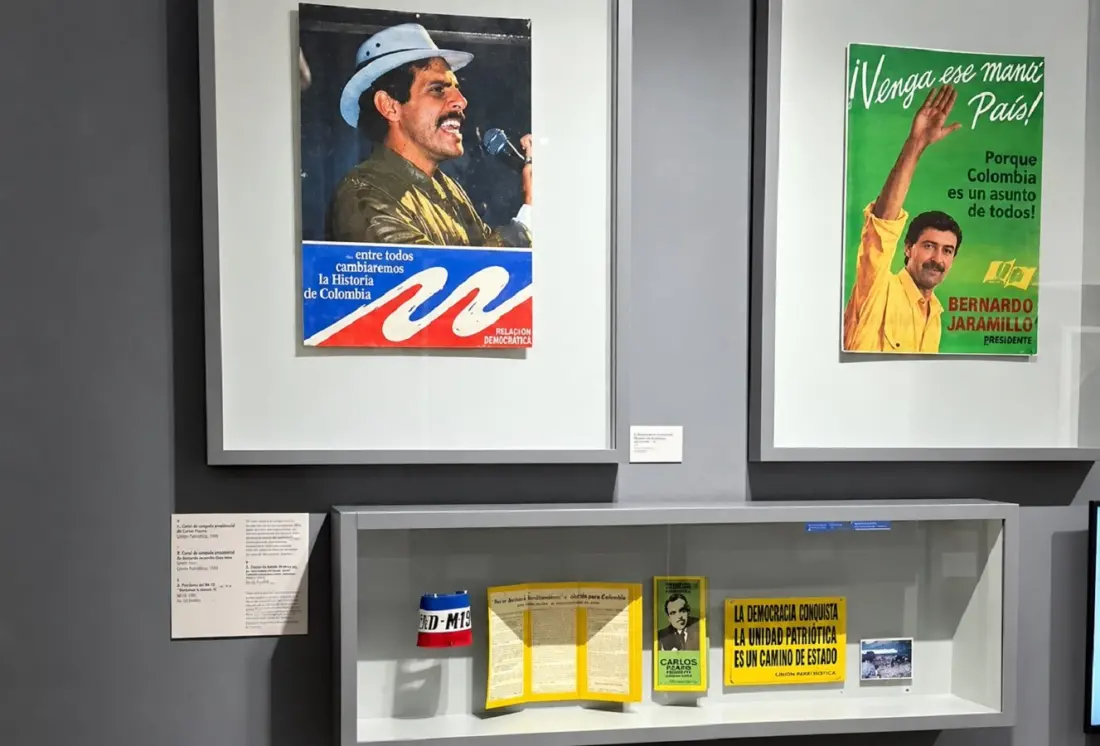
The items taken out came mostly from the "Making Society" and "Memory and Nation" galleries, and they share a theme: Colombia's conflicts and rights movements. Curators saw a campaign poster for Carlos Pizarro, the former guerrilla commander turned presidential candidate, plus objects linked to the M-19 movement, disappear from display. Also gone were materials on feminist struggles, LGBTQ+ history, political violence against the left, and a pen made from a bullet used at the signing of the 2016 peace agreement with FARC. Even artefacts from the Seventh Ballot Initiative — the student movement that helped pave the way to Colombia's 1991 Constitution — were pulled.
Four major universities, including the National University of Colombia, University of the Andes, Pontificia Universidad Javeriana and Universidad del Rosario, have publicly objected. Their argument is not that exhibitions should be frozen in time, but that changes should follow research, curatorial standards and public debate rather than the political preferences of whichever administration is in power. Art museums in Bogotá, Medellín, Barranquilla, Cartagena and Tolima, along with the Rayo Museum, issued a joint statement defending the right of museums to show complex and controversial history. ICOM Colombia has also flagged the uncertainty the decision has created among cultural professionals.
The government's case is different. Culture Minister Paola Holguín has defended a review of curatorial practices, arguing public museums should not act as vehicles for political indoctrination. De la Espriella has branded his cultural policy a "cultural counterrevolution" aimed at stripping ideology from public institutions.
There is now a legal twist: on October 19, a Bogotá judge ordered that more than 30 of the removed objects be protected while the court weighs whether they should go back on public display.
Why should travellers care? If you're planning a visit to the National Museum expecting a full picture of Colombia's recent past — the peace process, the rights movements, the political violence — some of those exhibits may simply not be there, and the galleries themselves are in flux while the courts and the government argue. For anyone travelling to Bogotá interested in memory and conflict, the Museum of Memory in the city centre and neighbourhood street-art tours remain reliable ways to engage with these histories. And the outcome of this dispute will shape what visitors to Colombia's flagship museum get to see for years to come.