Ask for mazamorra in Colombia and you might get dessert, a drink, or a soup. The name covers a family of corn-based dishes that change character entirely depending on where you are — and it's one of the easiest ways to eat like a local across the country.
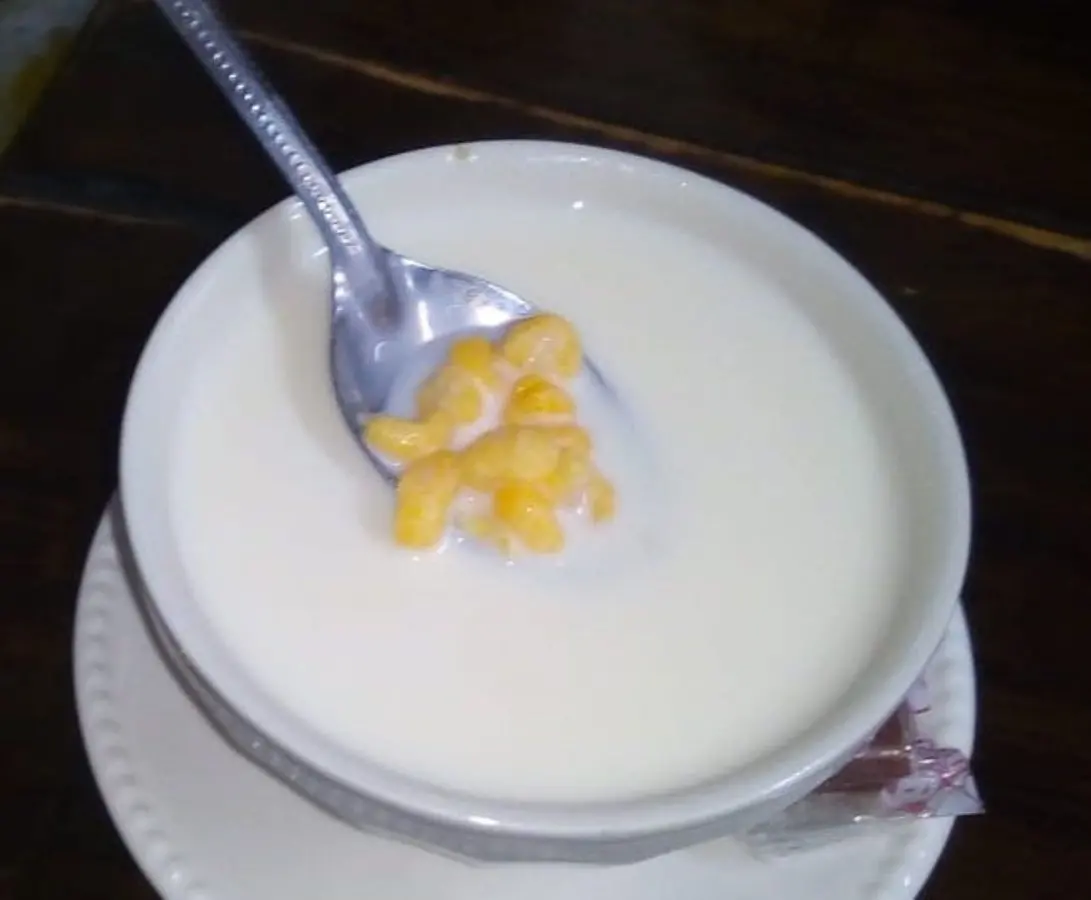
In Antioquia and the Coffee Region, mazamorra paisa is a staple of home cooking and countryside restaurants alike. It's made from hulled white corn (maíz peto), soaked for 8 to 12 hours, then simmered for two to four hours until tender. Served with milk and panela — unrefined cane sugar — it lands somewhere between a pudding and a porridge. Locals often eat it after lunch or as an afternoon snack, dressed up with guava paste (bocadillo), arequipe (Colombian dulce de leche), condensed milk, or fresh farmer's cheese.
Head to the Caribbean Coast and the recipe shifts. Mazamorra costeña tends to be sweeter and creamier, with milk cooked in rather than added at the table. The same name also covers rice-based versions that taste closer to rice pudding, and even preparations built on ripe plantain — proof that one word can mean several different desserts in the same region.
Then there's the outlier: mazamorra chiquita from Boyacá. Forget sweet — this is a hearty savoury soup from the cold highlands around Tunja, thickened with ground corn and loaded with beef, tripe, potatoes, broad beans, green peas, scallions and cilantro. Historically it fuelled rural workers, and today it's still served piping hot on cold mornings, usually alongside white rice, avocado, corn arepas or a homemade chilli sauce. If your mental image of mazamorra is dessert, this version will reset it.
The dish doesn't stop at Colombia's borders. Argentina makes a sweet version from broken white corn simmered with milk and sugar, often scented with vanilla, cinnamon or citrus zest — it shows up on national holiday tables on May 25 and July 9 alongside locro and empanadas. Peru's answer is mazamorra morada, a striking purple dessert made from purple corn cooked with cinnamon, cloves, pineapple, apple and quince, thickened with sweet potato starch and served cold with cinnamon on top. In Lima, ordering a combinado gets you half mazamorra morada, half rice pudding on one plate.
For travellers, mazamorra is a low-cost, low-risk entry point into Colombian food culture. In Medellín you'll find it on the menu at typical paisa restaurants alongside bandeja paisa; in Boyacá, look for it at family-run eateries in Tunja or Duitama. On the Caribbean Coast, street vendors and coastal cafés serve the sweeter versions, often chilled — welcome in the tropical heat. Since recipes vary household to household, trying it twice in the same town can yield two different dishes, which is part of the fun.
Credit: Colombia One