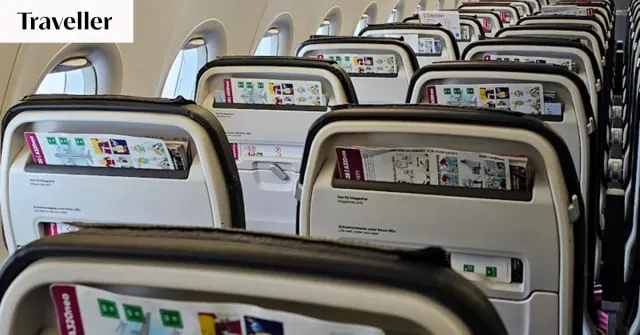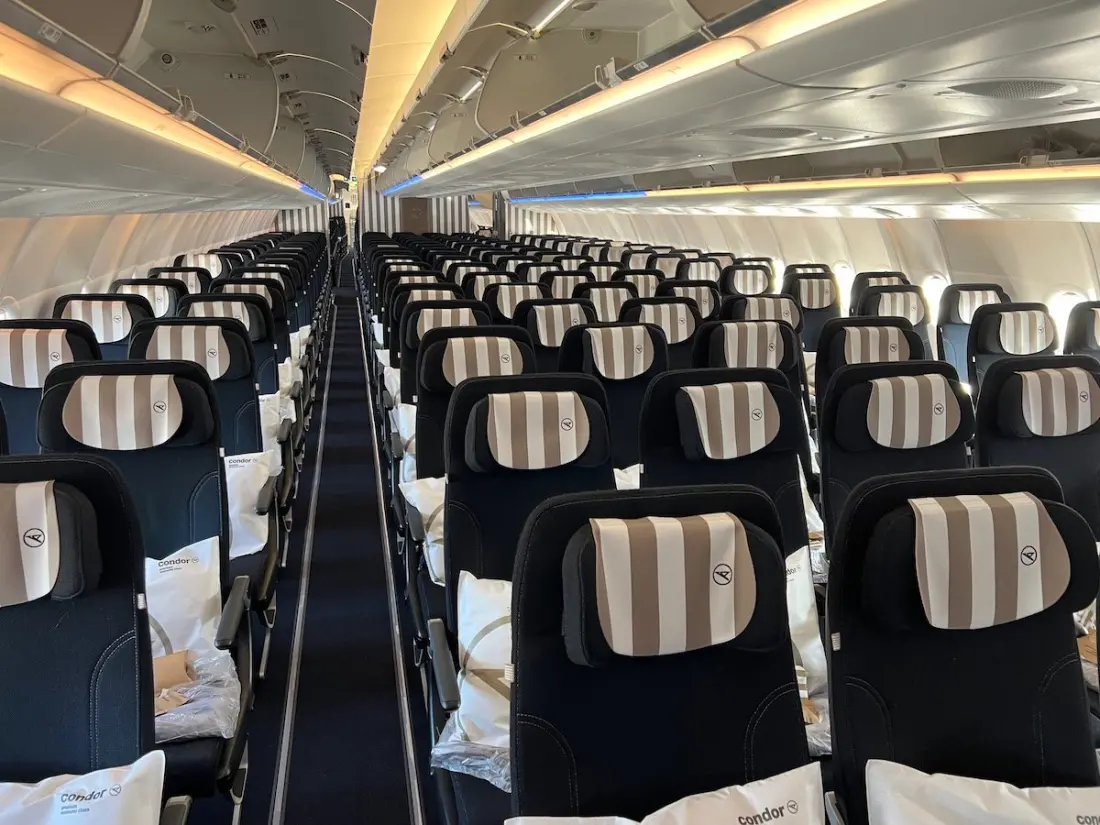
German leisure airline Condor has found an unusual way to trim its fuel bills: fewer magazines in the cabin. From 1 November 2026, the carrier stopped stocking one shopping magazine per seat. Instead, on its Airbus A320-family narrow bodies, there are now two magazines for every three passengers, while on the widebody A330neo fleet it's one magazine between every two seats.
The logic is pure weight-saving. Every kilogram an aircraft carries affects fuel burn, and across a whole fleet making multiple flights a day, hundreds of paper magazines add up. Condor has confirmed the move is intended to reduce onboard weight and, with it, fuel consumption. The airline also points out that the shopping catalogue — which lists buy-on-board food and drinks as well as duty free items — is still available digitally through the inflight entertainment system, so nothing has disappeared entirely.
For now this is a trial. Condor will review how it has gone after the winter and decide whether to keep the shared-magazine setup permanently.
The magazine cull is part of something bigger at Condor. The airline is running what it calls a cabin clearing process: stripping out every movable item from its aircraft, inspecting each one, and asking whether it's genuinely needed before it goes back on board. Safety equipment is the only thing exempt from scrutiny. It's a methodical hunt for anything that adds weight without adding value — and with fuel prices squeezing margins across the industry, other airlines will be watching the results closely.
Dropping inflight magazines isn't a new idea. Plenty of carriers have cut them over the years, usually alongside scrapping duty free sales altogether, for the same weight-related reasons. What's odd about Condor's version is the sharing arrangement. Leaving a magazine at some seats but not others raises practical questions: if you'd rather flick through paper than a screen, do you ask your seatmate to pass it over? The airline is presumably betting most people won't mind.
There's a commercial wrinkle too. Inflight shopping magazines sell because bored passengers browse them — flights are a captive-audience environment, and browsing has a way of turning into buying. Whether cutting the number of magazines in half also cuts onboard sales is exactly what Condor's post-winter review will need to answer.
Why should travellers care? If you're flying Condor this winter — the airline is a major name on leisure routes to places like the Canary Islands, the Mediterranean and long-haul sun destinations — don't expect a catalogue at every seat. If you want to shop or check the buy-on-board menu, head to the seatback screen, or be prepared to share with your neighbour. And if the trial works, expect the shared-magazine model to catch on elsewhere: it's a small, visible sign of how hard airlines are working to shave costs without touching the things passengers notice most. Whether that trade-off feels clever or cheap will probably depend on whether you were planning to buy that duty free perfume anyway.
Story via One Mile at a Time.