The forests that inspired Rudyard Kipling's The Jungle Book in 1894 are still very much intact — and you can sleep in them. Pench Tiger Reserve, straddling the Madhya Pradesh–Maharashtra border, is the jungle most closely tied to the book: the Wainganga River and the Seeonee (Seoni) Hills named in Kipling's stories are real places here. A short drive away, Kanha National Park adds vast sal forests and open grassland that complete the Central Indian wilderness picture.
A recent stay with Jungle Camps India covered three of these forests — Pench, Rukhad and Kanha. The company runs five camps across four of Central India's big tiger reserves: Pench, Kanha, Tadoba and Bandhavgarh. It was founded by Gajendra Singh Rathore in 2002 and has an unusual claim to fame: it's India's only publicly listed wildlife safari company, having debuted on the BSE's SME platform in December 2024. It operates through a mix of owned, leased and management-contract properties, with a stated focus on wildlife tourism and conservation.
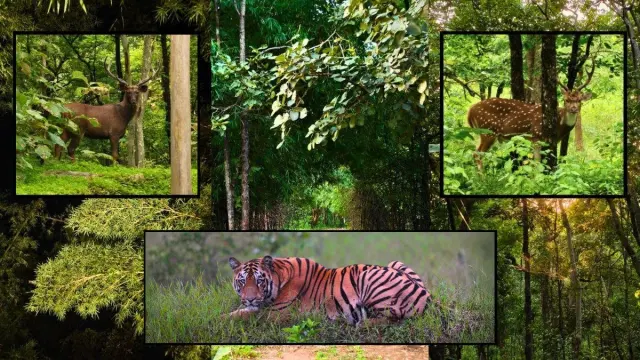
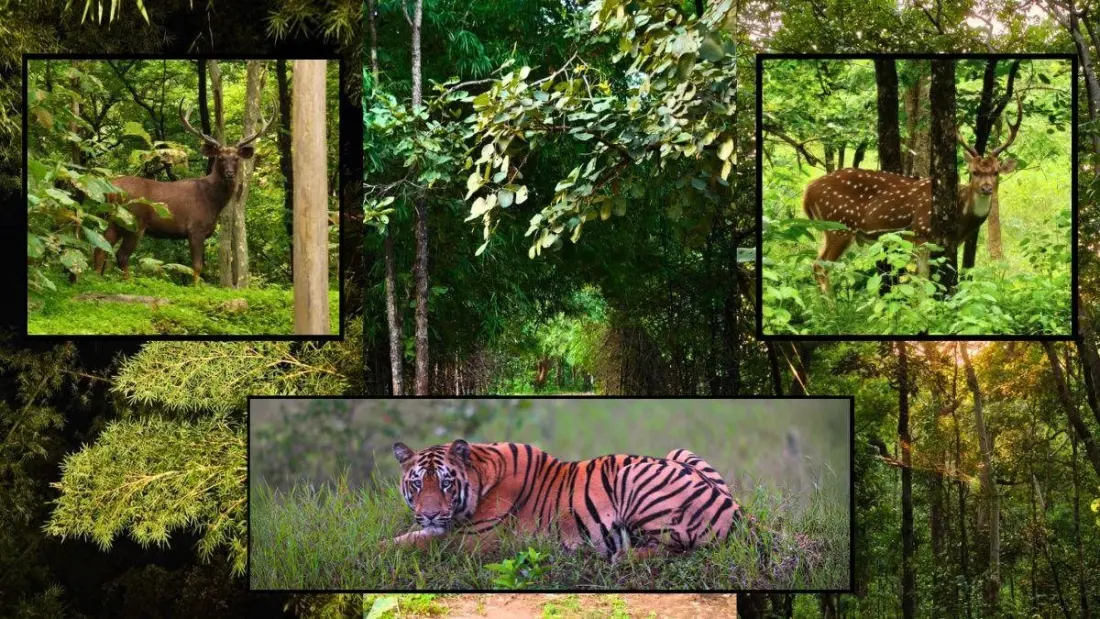
For travellers, the appeal is straightforward. These are working tiger landscapes where morning and evening jeep safaris are the main event, with realistic chances of tigers alongside leopards, wild dogs, sloth bears, gaur and a long list of birds. Rukhad, a lesser-known buffer zone between the better-known parks, offers the same forest feel with far fewer vehicles. Camp-based stays put you at the park gate before first light, which is when the forests are at their liveliest.
Who is this for? Anyone who wants a classic Indian tiger safari without the polished resort feel — families introducing kids to wildlife, photographers chasing golden-hour grassland light, or Kipling fans who want to stand in the actual Seoni hills. The parks close during the monsoon (roughly July to mid-October), so plan around that window, and book safaris well ahead since permit numbers per gate are capped.