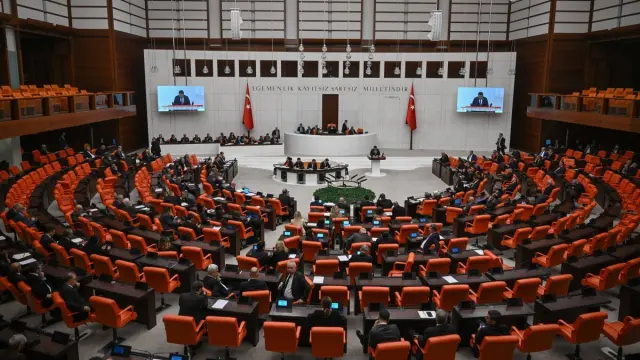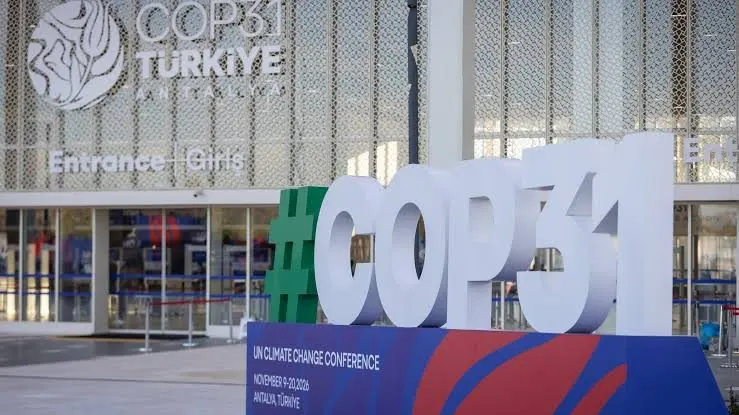
Antalya, better known for beach holidays than climate diplomacy, becomes the centre of the green world this month. The 31st UN Climate Change Conference (COP31) opens there on 9 November and runs through 20 November — the first time Türkiye has ever hosted the summit.
The numbers are striking. Delegations from 196 countries plus the EU are expected, with leaders from 102 countries and over 300 ministers confirmed. Around 100,000 people will pass through the official venue, and up to 1.5 million are expected in the public exhibition area. A leaders' summit chaired by President Recep Tayyip Erdoğan is set for 11-12 November.
Kazakhstan arrives with an unusually full folder: roughly 28 cooperation documents, including 19 memorandums of understanding, covering meteorology, energy transition, climate investment and clean technologies. Its national pavilion, run by state waste company Zhasyl Damu, will stage more than 35 events, including a rare joint session with environment ministers from all five Central Asian countries.
Kazakh priorities are concrete rather than rhetorical. They include the Kazakhstan Climate Investment Platform, developed with the European Bank for Reconstruction and Development; carbon market mechanisms under Article 6 of the Paris Agreement; and regional restoration projects — most notably reviving the Northern Aral Sea and protecting Caspian ecosystems. There's also a tech angle: sessions on using AI and satellite data for climate monitoring and methane tracking.
Türkiye, as host, is pushing an "action-oriented" framing — commitments measured in projects, not press releases. Its flagship ideas include the national Zero Waste programme and plans for 455,000 climate-resilient homes across 11 provinces hit by the February 2023 earthquakes.
Why should a traveller care? If you're heading to Antalya or Türkiye's Mediterranean coast this month, expect a busy city: the conference zone will be congested, hotels fuller than usual, and security perimeters tighter around the venue area. On the flip side, the public exhibition area is open to far larger crowds than the negotiations themselves, so curious visitors can see the exhibits without a delegate badge. For anyone with a professional or personal interest in climate policy, it's one of the year's biggest single gatherings — and a chance to see Central Asian environmental issues, from the Aral Sea to steppe restoration, get a global stage they rarely receive.
More broadly, the trend matters for future trips: the same coastline that hosts this summit is on the front line of Mediterranean climate pressure, from water stress to marine protection — topics squarely on the COP31 agenda. What gets agreed in Antalya this November will shape how destinations like this one adapt over the coming decade.