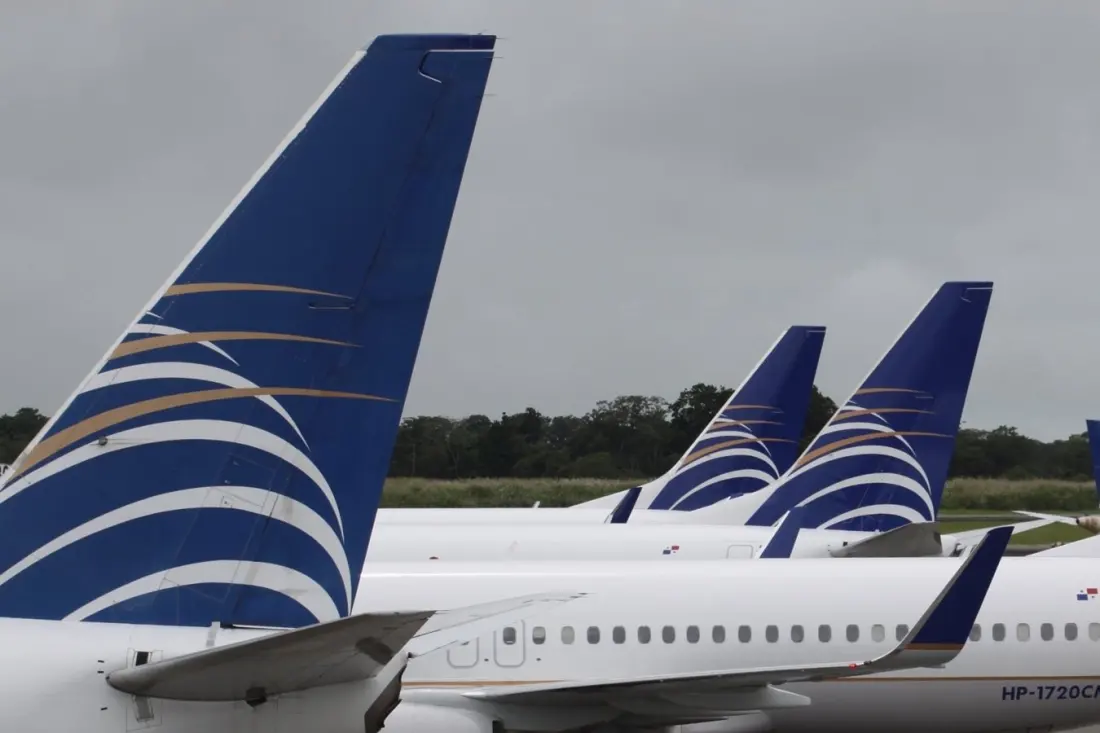
A Copa Airlines passenger jet and a UPS cargo plane made contact on the ground at Miami International Airport on Saturday night, Nov. 14 — the latest headache in a weekend already crippled by a nationwide FAA ground stop.
The collision happened around 9:15 p.m. at a taxiway intersection. The Copa Boeing 737-800, Flight CM427 arriving from Panama City with 166 passengers and six crew, was taxiing to its gate when its wingtip struck the nose of a UPS Boeing 767 that was heading out to Bogota, Colombia. Air traffic control had told the UPS crew to give way to the arriving passenger jet, according to the FAA's preliminary account. Cockpit audio captured the confusion — a Copa pilot radioing "somebody hit us" — and the FAA has opened an investigation into who was at fault.
The damage was limited: two people were treated at the airport for minor injuries and neither went to hospital. Miami airport said flights kept moving on other taxiways, so operations were not disrupted. Both Copa and UPS confirmed the incident and said they are cooperating with investigators.
What makes the timing notable is the context. The crash came less than 24 hours after the FAA grounded flights nationwide on Friday, Nov. 13, when an overloaded router at a remote facility — where a contractor was upgrading copper wiring to fibre-optic — knocked out communications and radar feeds. Officials ruled out a cyberattack. The ground stop lasted more than four hours, but recovery stretched well past the weekend: more than 6,600 flights were cancelled across the US on Saturday out of roughly 41,000 departures, with another 1,300-plus scrapped for Sunday as airlines scrambled to reposition aircraft and crews.
For anyone flying through Miami or connecting onward to Latin America this week, the practical takeaway is simple: check your flight status directly with the airline before heading to the airport, and verify any connecting flights, since knock-on schedule changes can ripple across other hubs. The FAA expected operations to normalise by Sunday evening, though some carriers warned disruptions could linger. The two Miami incidents — the taxiway collision and the outage — are being investigated separately, but together they underline how fragile US aviation schedules can be when systems fail, and how long the recovery can take even after restrictions lift.