Electric car sales are breaking records almost everywhere, but not in Croatia. New analysis from the energy think tank Ember shows the country ranked dead last in the European Union for fully electric vehicle sales during 2026, even as it posted its own national high. Between March and August, battery-electric cars made up just 4.3% of new registrations — a fraction of the EU average of 22.5%.
The contrast with the rest of Europe is stark. Norway hit 97.8%, Denmark 79.8% and the Netherlands 42.8%. Even Poland (4.8%) and Romania (7.4%), which also missed record levels this year, edged ahead of Croatia. Larger markets tell their own stories: France reached 30.6%, Germany 27.5%, while Italy lagged at 8.3%.
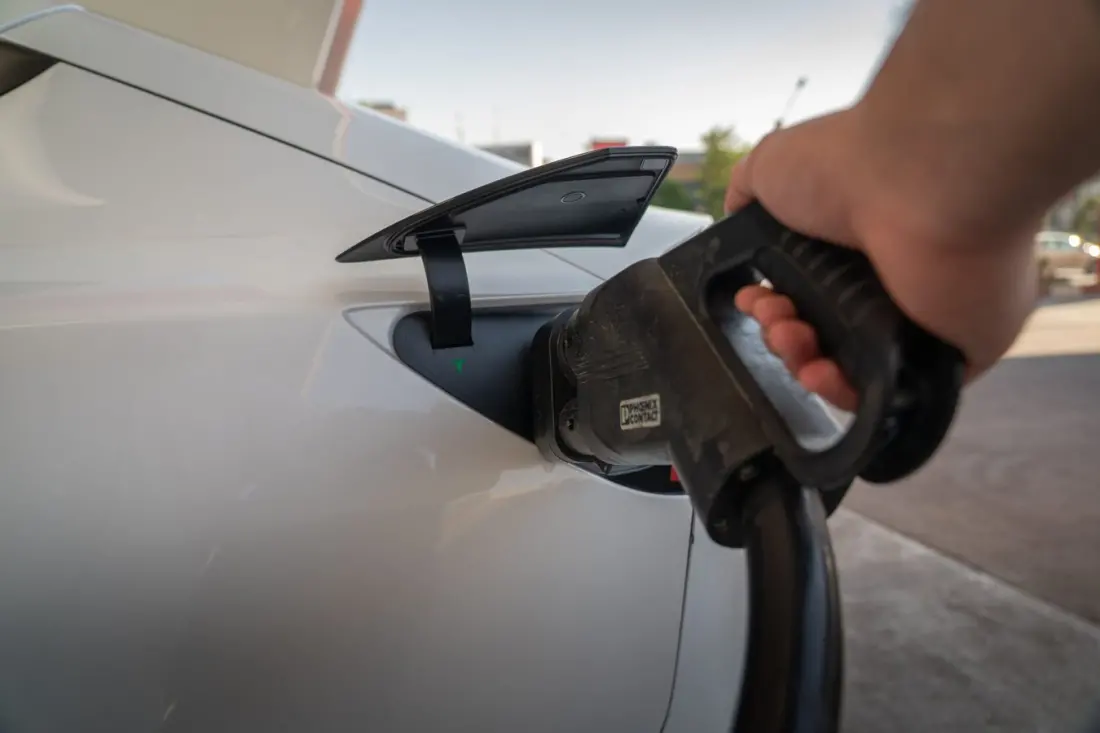
Why the Croatian reluctance? Money, mostly. EVs are expensive relative to local incomes, and Croats overwhelmingly buy used cars anyway — imports of second-hand vehicles outpace new registrations, and the average passenger car on the road is over 13 years old. A European Commission report also flags pricey public charging, incompatible charging systems, and limited home-charging options for apartment dwellers. On top of that, state subsidies arrive through sporadic tenders rather than a steady scheme: in 2024, the entire €15 million pot was reserved within four hours.
Globally, the picture is very different. China registered nearly 4.46 million electric cars from January to August — almost half the world's 9.33 million total. And growth is no longer a rich-country story: Uruguay hit 40.2%, Thailand 28.8%, Indonesia 24.2%. Excluding the US and China, global sales jumped an estimated 45% year on year. The US, meanwhile, dropped off Ember's chart entirely after federal support was scrapped, with EVs falling to 6% of new sales — 49 of the 56 countries studied now outperform it. Ember also frames EVs as an energy-security play, estimating they displaced roughly $20 billion worth of oil consumption in importing countries over the six-month period.
For travellers, the practical takeaway is simple: don't assume an electric rental will be easy in Croatia. Public chargers are sparse and relatively expensive outside major routes, so a petrol or hybrid car remains the sensible choice for coastal drives along the Dalmatian coast or trips to Plitvice and beyond. If you're set on an EV, plan charging stops around Zagreb, Rijeka and Split, where infrastructure is strongest.