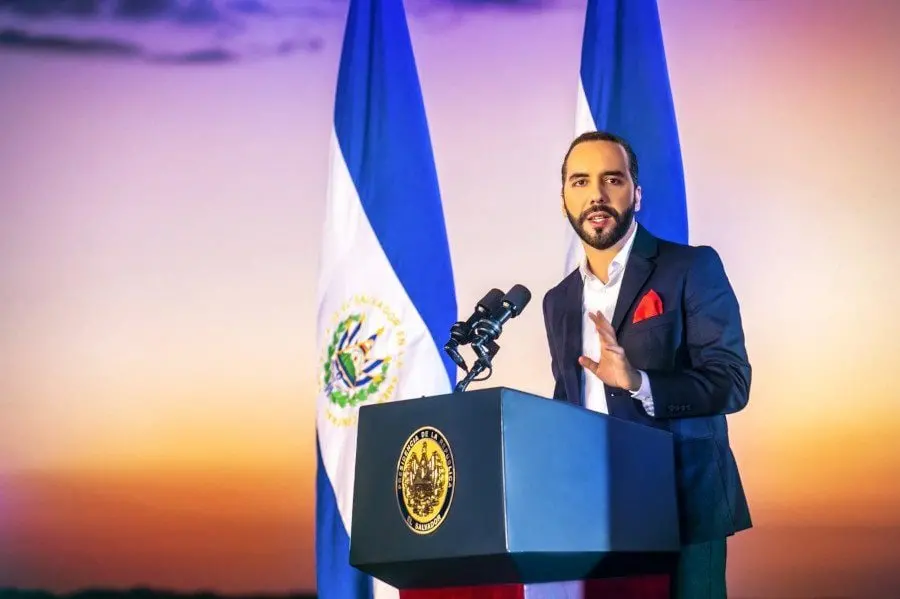
Seven years ago, El Salvador was one of the murder capitals of the world. In June 2019, when Nayib Bukele took office, the country was averaging 6.57 murders a day — a homicide rate of 35.8 per 100,000 people. By the end of 2025, that figure had collapsed to 0.22 murders per day, or 1.36 per 100,000, making 2025 the safest year in the country's recorded history. For anyone who wrote off El Salvador as a no-go zone, the numbers tell a different story now.
That transformation is also why Bukele remains wildly popular at home. A CID Gallup survey from October 2026 put his approval at 92%, with 87% of Salvadorans saying the country is heading in the right direction and 98% approving of his security policy. Polling by Mitofsky, LPG Datos and the university-based Iudop-UCA through 2025 and 2026 shows the same pattern — ratings consistently in the high 80s and 90s, unmatched by any recent Salvadoran president. A country where violence was a fact of daily life for three decades now has neighbourhoods people stopped being afraid of.
There's a serious caveat, and it's one travellers should understand. The safety gains came via an ongoing state of exception — supported by 87% of those polled — that allows mass detentions with limited due process. Human rights groups, opposition figures, El Faro journalists and even the US government have accused Bukele of authoritarianism, and of secretly negotiating with gangs. For visitors, day-to-day risk has dropped dramatically, but the country you'd be visiting is politically unusual: opposition parties FMLN and ARENA have been reduced to irrelevance, and critics say democratic checks have been dismantled.
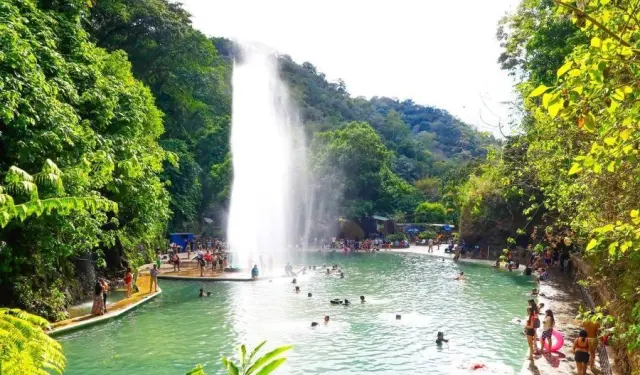
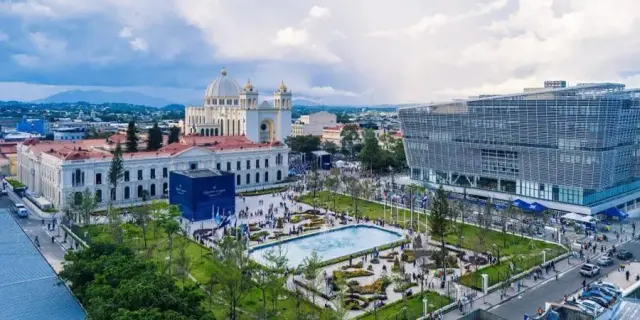
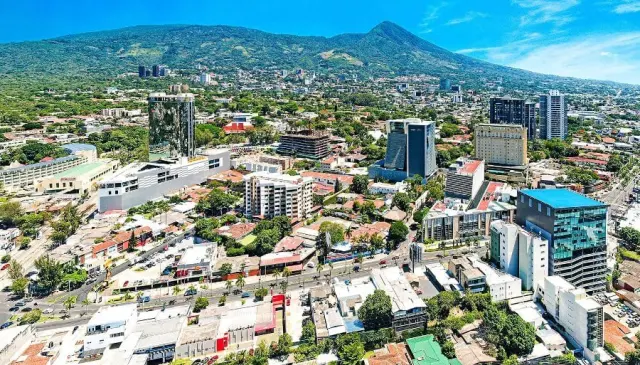
So why should this matter to anyone planning a trip? Because El Salvador has quietly become one of Central America's most accessible destinations. The security shift is the single biggest factor opening up places like the surf beaches of El Tunco, the Ruta de las Flores coffee towns, Santa Ana's volcano and the colonial streets of Suchitoto to travellers who would have skipped the country a few years ago. Tourism infrastructure is still catching up — which is exactly the appeal for people who liked Costa Rica or Portugal two decades before the crowds. It also uses the US dollar, so there's no currency hassle for American visitors.
The practical picture: violent crime targeting tourists is now rare, and petty theft is the main concern in cities. Keep an eye on local news and your own government's advice, since the state of exception can affect anyone caught up in police activity, foreign nationals included. Go for the waves, the coffee, the volcanoes and the prices — and go now knowing you're seeing a country mid-transformation, one that's safer than it's ever been while its politics remain genuinely contested.