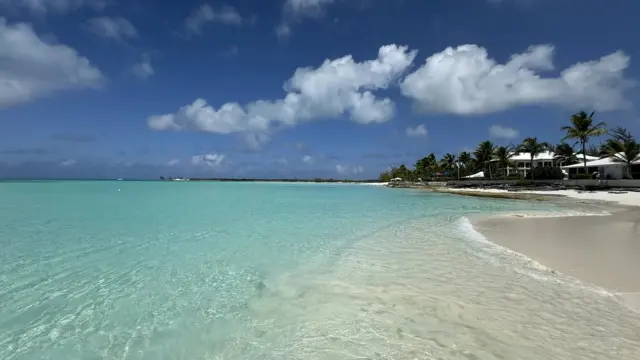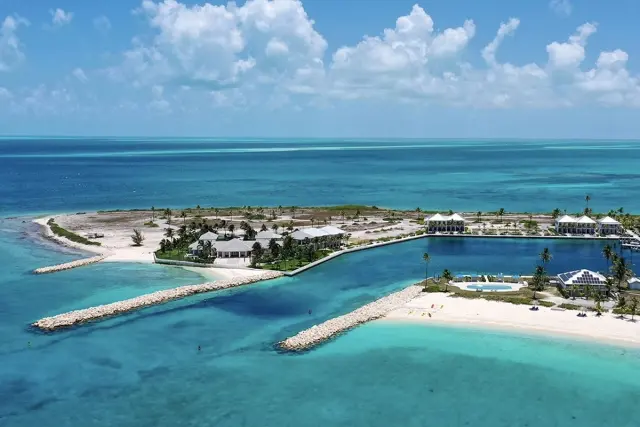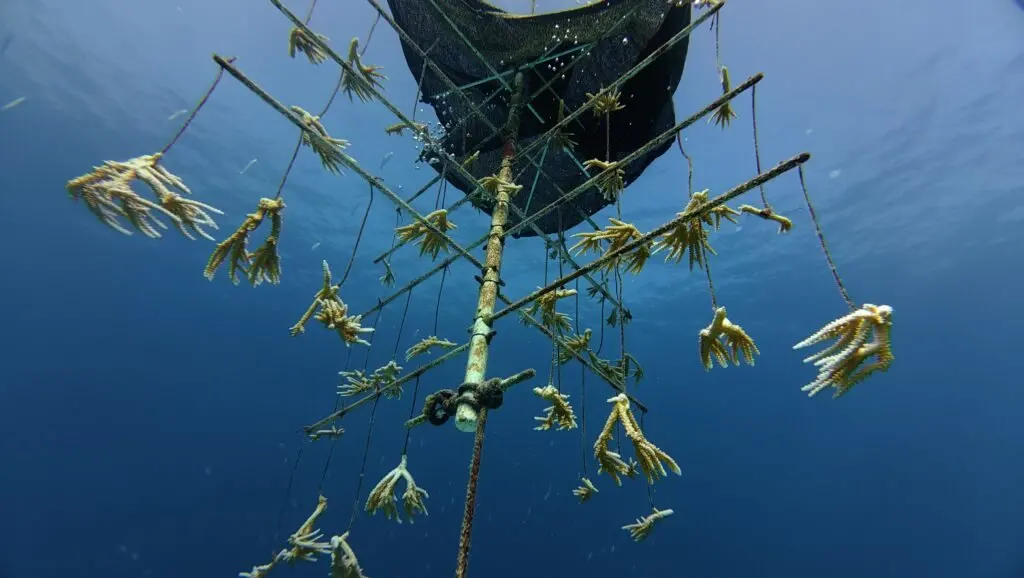
MSC's private Bahamian island, Ocean Cay, is getting back to normal underwater operations. The MSC Foundation has resumed planting nursery-grown corals onto the surrounding reefs now that sea temperatures have cooled after a brutal marine heat season.
The trouble started over the summer, when NOAA's Coral Reef Watch recorded the highest possible bleaching alert level for The Bahamas. When the Foundation's team checked their coral nurseries, they found bleaching in fragments of one genotype of staghorn coral — a critically endangered species that has long been a focus of the island's restoration work. Their response was quick: shade structures went up over the underwater nurseries, and the affected fragments were moved into land-based tanks at the island's Marine Conservation Center. Encouragingly, elkhorn coral, another critically endangered species growing at the site, showed no visible bleaching at all.
With heat stress easing across parts of the country since early November, the team is outplanting corals again while keeping a close eye on how each genotype copes. Emeline Bouchet, the Foundation's Marine Program Manager, put it plainly: understanding how different coral lineages respond to repeated heat waves is the whole point. The work feeds into the Foundation's Super Coral Reefs Program, which hunts for corals with natural heat resistance, grows them up in tanks and nurseries, then transplants them onto nearby reefs. University partners and students are involved too, so the monitoring doubles as training for the next generation of marine scientists.
There's a note of caution for the year ahead: forecasts point to severe marine heatwaves in 2027, which is why the team is treating every data point as valuable. Corals that survive this summer's stress may hold the genetic key to reefs that can weather what's coming.
Why should cruise travellers care? Ocean Cay is a signature stop on MSC Cruises' Caribbean itineraries — a former sand-mining site turned marine reserve where passengers can swim, snorkel and, on some sailings, see the conservation work firsthand. The health of those reefs directly shapes what you'll see under the water there. If you're booking a Bahamas cruise for late 2026 or 2027, you're essentially visiting a living laboratory, and the corals being planted this winter are the ones that will colour your snorkelling photos for years to come.