Kyrgyzstan relies on Russia for up to 91 percent of its fuel imports, and that dependence is now under strain. Unscheduled repairs at Russian oil refineries, triggered by Ukrainian drone attacks, have raised the prospect of reduced diesel and petrol shipments to Central Asia this winter, with Kyrgyzstan and Tajikistan flagged as the countries most exposed.
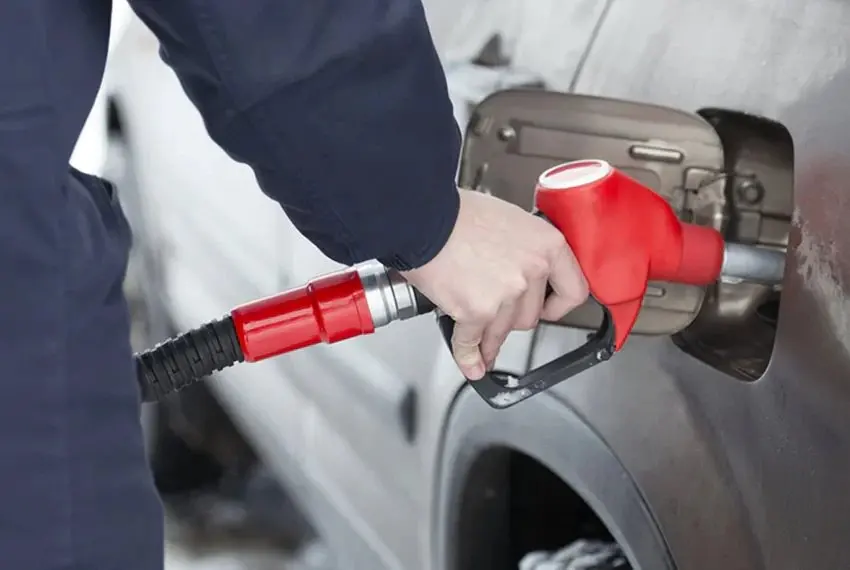
The immediate picture is mixed. Kyrgyz traders have already bought Russian AI 92 petrol for November delivery at roughly $1,050–$1,080 per tonne, and one trader turned down a pricier batch at $1,100–$1,150 because reserves looked sufficient. Analysts at Yakov and Partners say existing stockpiles should keep both Kyrgyzstan and Tajikistan supplied in the short term even if deliveries dip. The sharper worry is high-octane AI 95 petrol: unlike Kazakhstan and Uzbekistan, which can fall back on domestic refining, Kyrgyzstan has no large-scale deep refining capacity and traditionally depends on duty-free Russian supplies within the Eurasian Economic Union.
There's also a commercial wrinkle. Around 1.45 million tonnes of Russian diesel a year are earmarked for Kyrgyzstan, Kazakhstan and Tajikistan under intergovernmental agreements, but as Open Oil Market's CEO points out, Central Asia isn't a premium market — exporters may divert cargoes elsewhere even at higher logistics cost. Moscow, for its part, has been scrambling: Deputy PM Alexander Novak ordered officials in mid-November to speed up refinery repairs and source extra volumes, and partial diesel exports were authorised from October 10 under quotas, with wider restrictions on producers running until January 31, 2027.
Why does this matter to travellers? Kyrgyzstan is one of Central Asia's great self-drive and overland destinations — think the climb to Song Kol lake, the hairpins of the Bishkek–Osh highway, or shared taxis and marshrutkas crossing mountain passes. Much of that movement runs on diesel and AI 95. A shortage wouldn't necessarily ground everyone, but it could mean queues at filling stations, patchy availability in rural provinces, or short-notice price rises during the winter season. If you're planning a winter trip or an early-spring road loop, it's worth keeping an eye on the situation and building slack into your route — topping up the tank when you can, especially outside Bishkek and Osh, is a sensible habit in Kyrgyzstan at the best of times.