Ever checked into a lovely hotel, collapsed into a plush bed, and then lain awake at 2am wondering what's wrong with you? Nothing, apparently. It's your brain. Researchers at Brown University found that in unfamiliar surroundings, one hemisphere of the brain stays semi-alert while the rest sleeps — a phenomenon dubbed the "first-night effect." Sleep scientist Sara Mednick of UC Irvine compares it to sleeping with one eye open: your primal brain is quietly asking whether you're safe, and new beds, smells and sounds all register as possible threats.
The good news, per Mednick and Harvard sleep researcher Rebecca Robbins, is that this ancient threat-detection system is easy to fool. You just need to block the signals telling it you're somewhere strange.
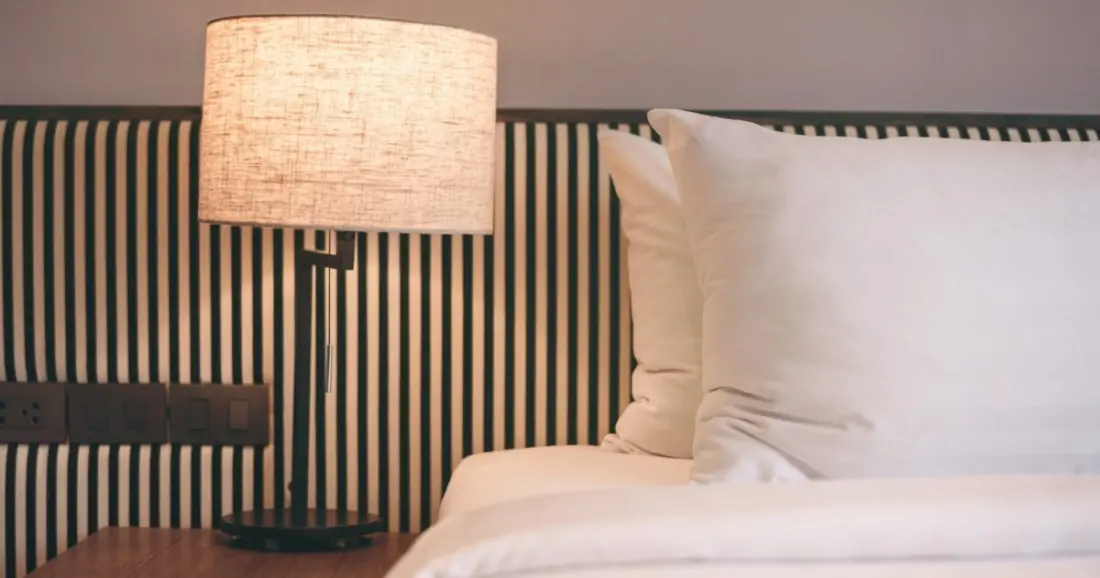
Start with smell. Your nose is hyper-alert in new spaces, so bring a familiar scent — a candle, a worn t-shirt you sleep in, or your own pillow, which does double duty by keeping your head on a familiar texture that smells like home. Pillows matter more than you'd think: in Robbins's research on hotel sleep, guests unhappy with their pillow were three times more likely to report a bad night. If you can't pack one, look for hotels with pillow menus catering to back, side and stomach sleepers.
Temperature is the other big lever. Robbins says 65–68°F (roughly 18–20°C) is the sweet spot for deep sleep, and her study found travellers frequently stymied by rooms they couldn't cool down. Her fix: crack a window, and take a hot bath or shower before bed — the subsequent drop in body temperature speeds up sleep onset. Many chains now compete on bedding anyway, from Westin's Heavenly Bed to Hilton's custom Serta mattresses; some luxury properties, like the Equinox Hotel in New York, even employ a "sleep coach."
Then there's noise and light. Ask the front desk for a quiet room away from elevators, ice machines and connecting doors, and steer clear of hotels beside highways, hospitals or fire stations. Earplugs are non-negotiable, both experts say. For light, Mednick suggests wearing blue-light-blocking glasses from 6pm onwards, while Robbins admits to travelling with gaffer's tape to cover the blinking LEDs on hotel electronics. A decent sleep mask beats dodgy blackout curtains.
Two final habits: cut off all liquids, including alcohol, about three hours before bed (alcohol fragments sleep, and older circadian rhythms no longer suppress the urge to pee overnight), and keep your evening rituals intact. As Mednick puts it, sleep is largely habit — recreate your home routine in miniature and your brain will eventually relax enough to believe you're there.
Who needs this? Pretty much anyone who travels: business trippers losing their first night in every city, holidaymakers crossing time zones, light sleepers who dread hotel stays. The whole kit — pillow, earplugs, eye mask, blue-light glasses — fits in a carry-on and costs less than one night's poor sleep is worth.
Frommer's