A new national survey has put numbers to a tension many visitors to Costa Rica have probably sensed without naming it: the people who live in the country's tourist hotspots feel they're being squeezed out by their own popularity.
The National Survey on Tourism in Costa Rica 2026, run by the population studies institute Idespo at the Universidad Nacional, polled 899 adults by phone in early June. Its headline finding: 68.6% of respondents believe rising prices in tourist areas have pushed local residents out. Nearly as many, 71.4%, say luxury housing gets priority over affordable homes in these zones, and three quarters think tourism profits flow to only some sectors of society.
There's a broader feeling of exclusion too. Six in 10 said tourism develops without listening to local communities, and almost half think foreigners now have more influence in those towns than the residents themselves. Trust in watchdogs is thin: close to 60% said authorities handle complaints about legal violations with little or no effect, while more than half admitted they barely know what Setena — the agency that reviews environmental impact — actually does.
Crime, not cost, tops the worry list. Asked about tourism's biggest problems, 37.7% pointed to insecurity, well ahead of travel costs at 17.6%. That's a notable contrast with an international risk map released the same week ranking Costa Rica among the ten safest countries to visit in 2027 — locals and outsiders, it seems, read the country very differently.
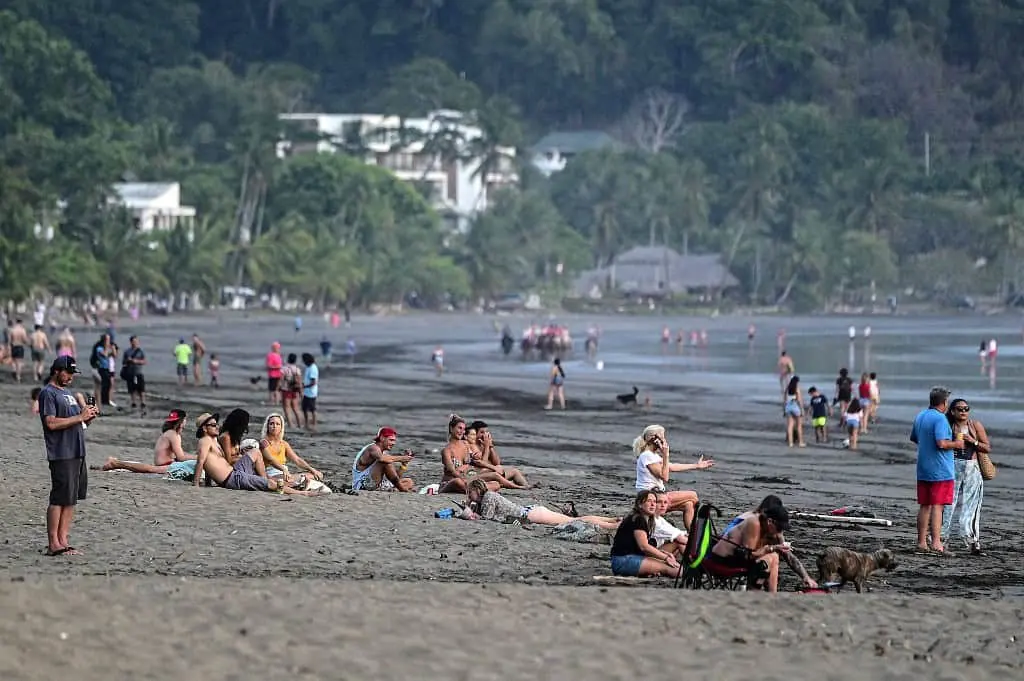
Yet none of this is keeping Costa Ricans at home. Nearly 70% had taken a domestic trip in the past two years, typically three nights and mostly by private car. Guanacaste dominated as the favourite region (45.6%), ahead of Puntarenas and Limón, and beaches were the draw for more than half of travellers.
The budgets behind those trips are modest, which is where the friction really shows. 44.2% of domestic travellers spend under 50,000 colones (roughly $112) per person per day, and price was the top factor in picking accommodation. In a country that has become Latin America's most expensive place to retire, that's an awkward gap — only a third of respondents think Costa Rica has improved as a destination for Costa Ricans, while more think it has improved for foreigners.
The researchers boiled it down to three fixes: narrow the gap between what the country offers locals versus foreign visitors, tighten environmental oversight, and give communities a real voice in development decisions.
Why should travellers care? Because the story behind the survey shapes the places you visit. Costa Rica's beach towns remain as appealing as ever — Guanacaste's Pacific coast, the Caribbean vibe of Limón — but the country is actively debating what kind of tourism it wants. Going as a guest who spends outside the resort bubble, respects local rhythms and supports locally run businesses puts you on the right side of that conversation. And if safety is on your checklist, both the locals' concerns and the international rankings are worth holding in mind at once.