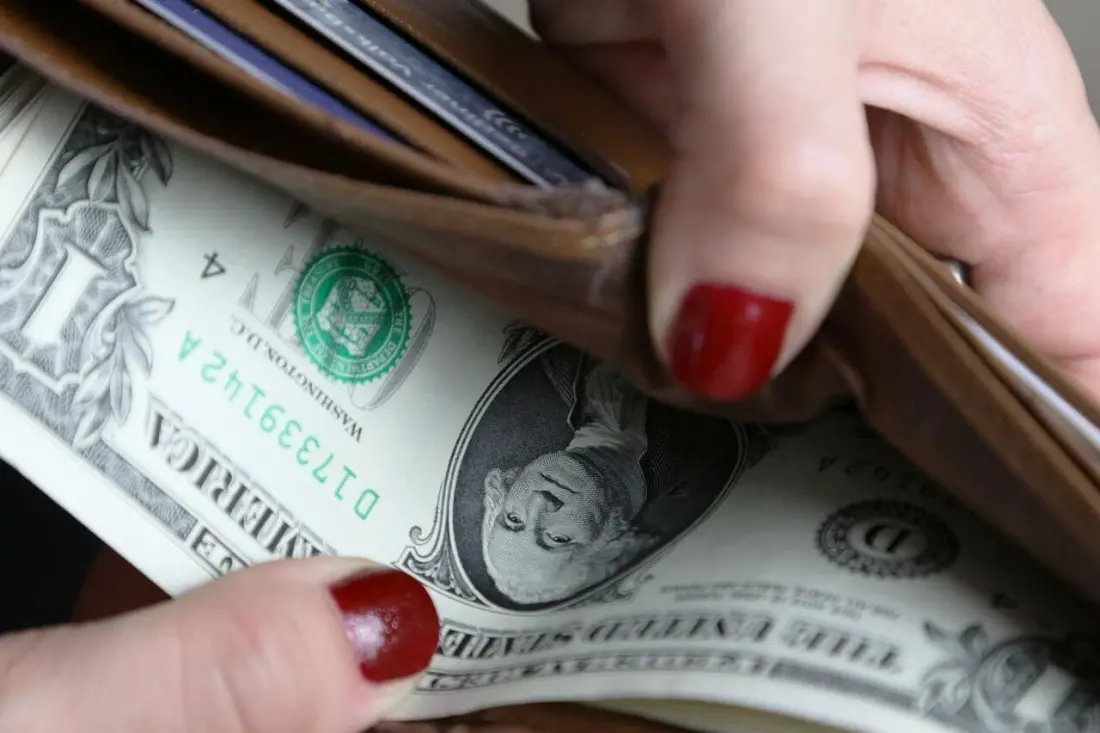
Costa Rica's currency has come a long way since 2006, when the Central Bank stopped nudging the colón down against the US dollar in small daily steps. Two decades on, the exchange rate sits near its lowest level in twenty years — ₡452.08 per dollar in late October, roughly 35% below the record ₡696.76 hit in June 2022.
Central Bank president Róger Madrigal marked the anniversary during the October Monetary Policy Report presentation, walking through how the old crawling peg (in place since 1984) gave way to a band in 2006, then to today's managed float in 2015. The rate now moves mostly with supply and demand — and right now, dollars are pouring in.
The numbers are striking. Average daily dollar supply hit about $152.9 million this year, up from $134.9 million in 2025, leaving a daily surplus of roughly $30.6 million. The big seller? Companies in free trade zones — mainly exporters of medical devices, electronics and business services — accounted for about 94.5% of the net surplus, offloading some $4.73 billion between January and August. Foreign direct investment added another $2.74 billion in the first half of 2026, with the United States behind roughly 69% of it. Tourism spending, remittances and service exports chip in too.
There's a cloud on the horizon: officials and economists are debating whether drug-related cash is also feeding the surplus. Costa Rica's own risk assessment flagged its position on trafficking routes and heavy cash use, and seizures jumped sharply in 2024. Still, the Central Bank insists the data points to free trade zone companies, not illicit money, as the dominant force.
For travellers, this cuts both ways. If your money is in dollars, euros or pounds, you'll get noticeably fewer colones than in 2022 — so a Costa Rican holiday costs more in your home currency than it did a few years ago. Locals whose incomes are tied to dollars, including hotels and tour operators, feel the squeeze, which can limit how much of the pressure they pass on. On the flip side, domestic prices for food, buses and local services haven't risen nearly as fast as they would have under a weak colón, and inflation is being kept in check by cheaper imports.
Practical takeaway: budget carefully if you priced a trip back when the rate was near ₡700, and expect card payments and colón-denominated prices to reflect the stronger currency. Exchange rates this low have historically ebbed and flowed, so it's worth watching the rate before you go — but don't wait for a crash back to 2022 levels. Costa Rica's dollar surplus looks structural, built on exports and investment rather than a temporary blip.