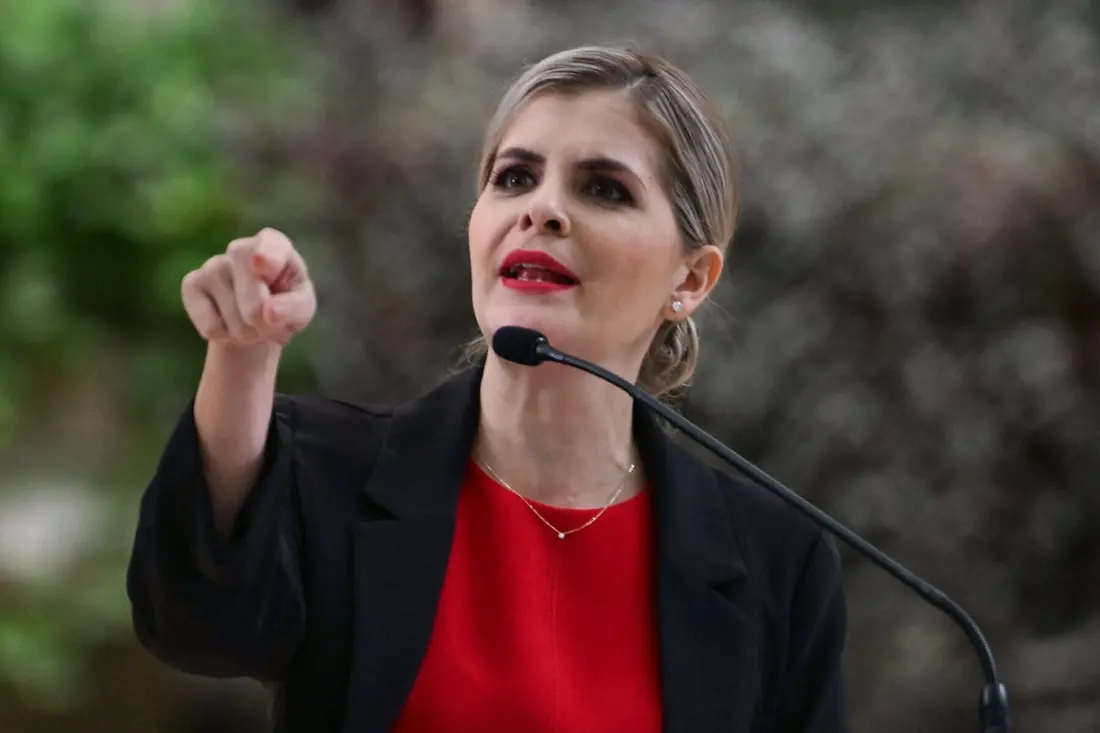
Costa Rica has no army, but according to its own president, it currently hosts active operations by two major US law enforcement agencies. In a Fox News interview, President Laura Fernández said the DEA and FBI have been working on Costa Rican territory under a strict collaboration protocol that started during the previous administration, framing it as business as usual rather than a new deal. She also cited joint patrols in Costa Rican waters and a shared strategy against what she called narcoterrorism.
The comments mark an escalation from September, when Fernández said US ground operations would help national security if they targeted drug trafficking, while insisting nothing of the sort was under way and that legislative approval would be needed. Now she says the cooperation is already happening — though she gave no figures on personnel, locations or scale, and the presidency hasn't filled in the gaps.
For a country that abolished its army in 1948, this is a notable shift in tone. Historically, US involvement has been channelled through a maritime counternarcotics agreement, with the Legislative Assembly approving permits before any American ships, aircraft or personnel could enter. Fernández now promises hard-line legislative reforms against criminal groups and describes the country as being on the edge of a major security transformation.
The interview capped a busy week on that front. Fernández inaugurated a new prison in Alajuela modelled on El Salvador's notorious CECOT facility, and announced that six Mexican cartels and three Colombian organisations will be added to Costa Rica's list of terrorist organisations. She then flew to El Salvador to meet President Nayib Bukele and tour CECOT in person, accompanied by Justice Minister Gabriel Aguilar.
There was concrete enforcement action too: three Mexican nationals allegedly tied to the Sinaloa Cartel were moved to Juan Santamaría International Airport for handover to the DEA. They were arrested in April 2025 on a yacht off Quepos, on the Pacific coast, carrying around 840 kilograms of suspected cocaine.
Why should holidaymakers care? Costa Rica remains one of the region's most visited and safest-feeling destinations, but drug trafficking activity along both coasts has been a growing concern, and the government is clearly responding hard. Tourists are unlikely to notice any of these operations day to day — the DEA and FBI work is aimed at trafficking networks, not visitors — but the direction of policy, from the CECOT-style prison to cartel terror listings, signals a tougher security era. Travellers planning yacht charters, remote beach stays or border-area trips should keep an eye on official advice, as they would anywhere in Central America. For now, the practical takeaway is reassurance: the state is leaning into security cooperation, not retreating from it.