Costa Rica just posted its second straight month of declining tourist arrivals. September brought 118,888 international visitors, down 2.4% from a year earlier, according to the Costa Rican Tourism Institute (ICT). American arrivals — still the biggest chunk of the market at 55,207 — fell 3.3%, and air arrivals overall dropped for the third time this year.
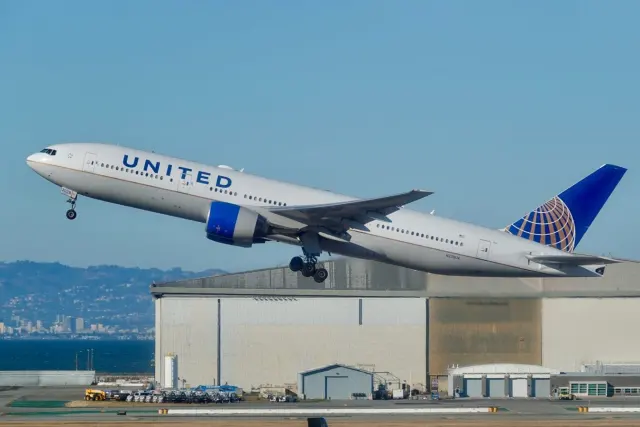
The more interesting story is where those visitors are landing. Juan Santamaría airport near San José saw a 5.4% drop, handling 77,644 travellers in September. But Daniel Oduber airport in Liberia, Guanacaste, went the other way: arrivals jumped 11.8% to 24,801, with Americans making up the vast majority (20,408). Liberia is the gateway to the country's northwest Pacific coast — Tamarindo, Playas del Coco, the Papagayo resorts and the way to the Nicoya Peninsula — and that corner of the country is clearly holding its appeal. Land and river border crossings, meanwhile, fell 5%.
Not every market is cooling. Canadians arrived in force: up 18.9% in September to 6,116, and up 23.9% year to date. European numbers were essentially flat for the month but stand 7.3% higher across the first nine months of 2026. Overall, the country has still welcomed 2.3 million visitors this year, 4.8% more than the same period in 2025 — so the dip is a wobble, not a collapse.
The ICT blames geopolitical conflict, weak economies in key source markets and a post-World Cup hangover. There's also a currency wrinkle worth knowing: the colón has strengthened roughly 9.9% against the dollar in 2026, with the reference selling rate around 453 to the dollar. For travellers paid in dollars, that shift is largely invisible — most tourism prices are set in dollars anyway — but it has squeezed hotels and tour operators who pay local wages and suppliers in colones. The pressure is showing: the Comptroller General's office questioned the ICT in September for tripling its advertising spend without clear gains in arrivals, and the Central Bank reported economic growth slowing to 2.2% in August, down from 5.6% a year before.
For holidaymakers, the practical takeaway is mixed and mostly positive. Fewer American arrivals could mean softer shoulder-season prices and quieter trails, especially around the Central Valley. Guanacaste's strength means the northwest will stay lively, so if you want low-key, look south or inland. December kicks off the high season, when North American arrivals traditionally peak — and the October-to-December numbers will reveal whether August and September were just a pause or the start of a longer slowdown. If you've been sitting on a Costa Rica plan, the weeks before Christmas may be the sweet spot: dry-season weather arriving, high-season crowds not yet.