Croatia's tourism machine keeps getting bigger. New figures from the Croatian National Bank show the country pulled in just over 4.58 billion euros from foreign visitors in the first six months of 2026 — up nearly 5 percent on the same period last year, or an extra 212.4 million euros. The second quarter alone accounted for 3.64 billion euros of that, almost 4 percent (132.7 million euros) more than in the first quarter of 2025, per data reported by Novi list.
The decade-long comparison is the eye-catching one. Tourism Minister Tonči Glavina pointed out that foreign tourism revenue has grown 120 percent since 2016, with the first half of this year generating 2.5 billion euros more than the equivalent stretch ten years ago. In the second quarter alone, revenue ran two billion euros ahead of the same quarter a decade back.
It isn't just inbound visitors doing the heavy lifting. Domestic tourism hit its own records in the January-to-June window, with 1.5 million arrivals and 4.2 million overnight stays by Croatian travellers — 7 percent more arrivals and 6 percent more nights than a year earlier. Glavina credited strong pre-season results to strategic and promotional work adapted to shifting market conditions, describing 2026 as a challenging year despite the numbers.
For anyone planning a trip, the context is straightforward: Croatia's shoulder season is busier and more developed than ever. The strong pre-season performance reflects years of investment in extending demand beyond the July-August peak, meaning May, June and September now offer fuller calendars of events, open facilities and reliable ferry and flight connections along the Adriatic — often with better prices and thinner crowds than midsummer.
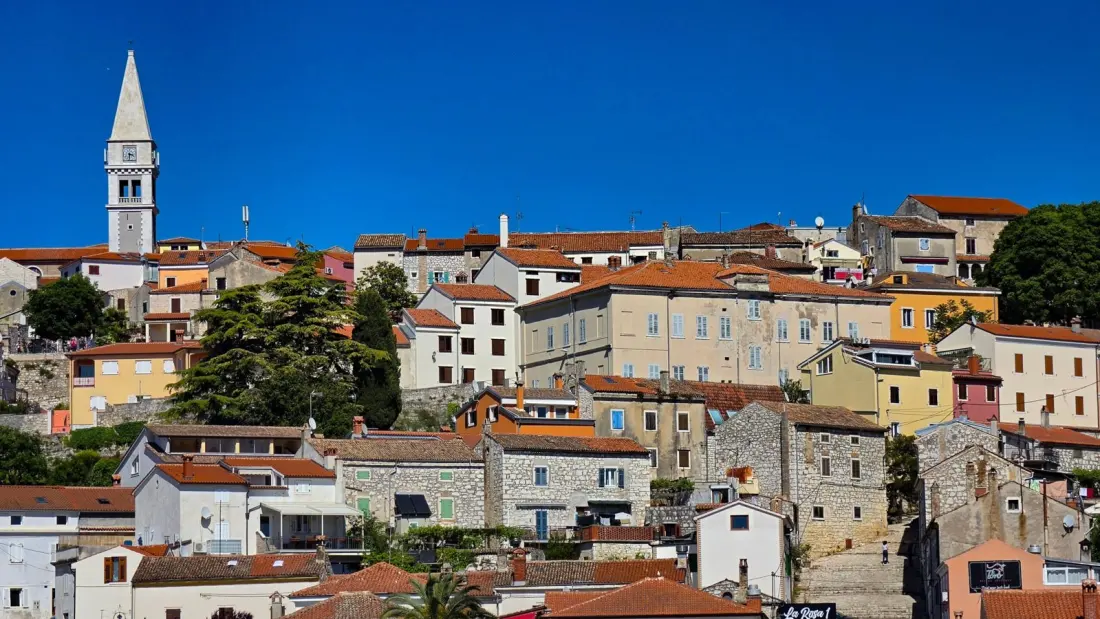
The flip side of record revenue is rising costs in hotspots like Dubrovnik, Split and Hvar. Travellers priced out of the classic highlights might look at Istria's inland towns, the Kvarner Gulf around Rijeka and Opatija, or lesser-known Dalmatian islands where the same euros stretch further. The numbers underline how central tourism has become to the Croatian economy, and why the country keeps pushing shoulder-season and off-peak travel — good news if you'd rather not share a beach with two million other people.