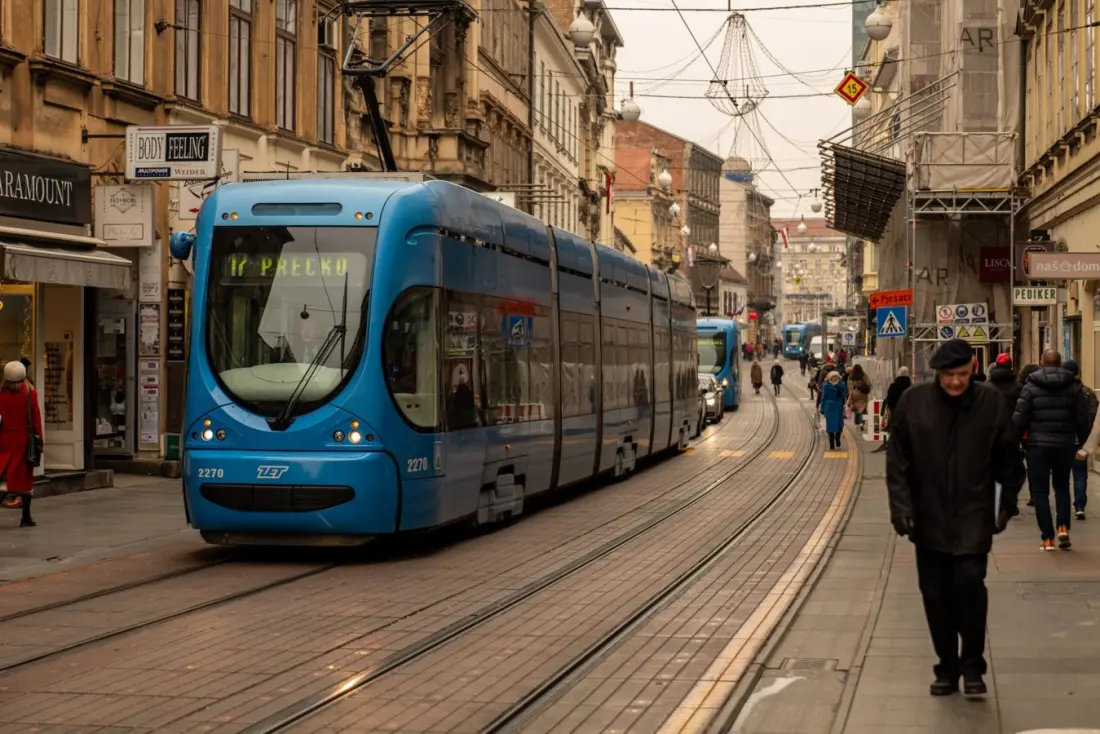
Zagreb is moving again. After three days without trams, buses or regular rubbish collection, the strike by workers at ZET (the city's public transport operator) and Zagreb Holding ended on 1 October 2026, and the city's trams and buses are back on their normal timetables. Čistoća, the waste management arm of Zagreb Holding, has also resumed regular collection.
The stoppage didn't end by agreement. The County Court in Zagreb ruled that both the ZET strike and the municipal workers' strike were illegal and ordered them stopped. Unions suspended the action in response and say they will appeal the rulings. A lawyer for the ZET union noted he had received two drastically different rulings in the case — a sign this dispute may not be settled yet.
The harder edge came from the mayor. Tomislav Tomašević announced that none of the workers who took part will be paid for the days spent on strike, a stance likely to keep tensions simmering between city hall and the unions even as services return to normal.
For three days the strike caused serious disruption in the Croatian capital: no trams, no buses, and no routine waste collection. For a city where most locals and plenty of visitors rely on ZET's tram network to get around, the impact was immediate and visible.
Why does this matter if you're travelling? Zagreb is a short-break favourite — a compact centre, coffee culture and easy day trips to Plitvice or the Zagorje castles — and ZET trams are the practical way to cover its spread-out neighbourhoods. If you have a trip coming up, services are currently running normally, but with union appeals pending and pay disputes unresolved, it's worth keeping an eye on local news in case action resumes. Build in buffer time for airport transfers, and don't be surprised by picket lines near depots if things flare up again.