Croatia is having a bumper year. Figures from the Croatian National Bank show foreign visitors spent €4.59 billion in the country during the first six months of 2026 — nearly 5% up on the same period last year, and an extra €212.4 million in real money.
The second quarter, when the season properly kicks off, brought in €3.64 billion from foreign tourists, a rise of almost 4% and €132.7 million more than in Q2 2025. Tourism Minister Tonči Glavina credited the strong pre-season to promotional work that has adapted to how the travel market is shifting, with a clear push to spread visitors beyond the July-August crush.
The decade-long trajectory is striking. Compared with 2016, revenue from foreign tourists is up 120% both for the second quarter and the first half of the year. In plain terms, Croatia pulled in €2.5 billion more in the first half of 2026 than it did ten years earlier — and €2 billion more in Q2 alone.
It's not just foreigners doing the spending. Domestic tourism hit its own record: Croatians logged 1.5 million arrivals and 4.2 million overnight stays in the first six months, up 7% and 6% respectively on 2025. Locals holidaying at home is quietly becoming a growth engine of its own.
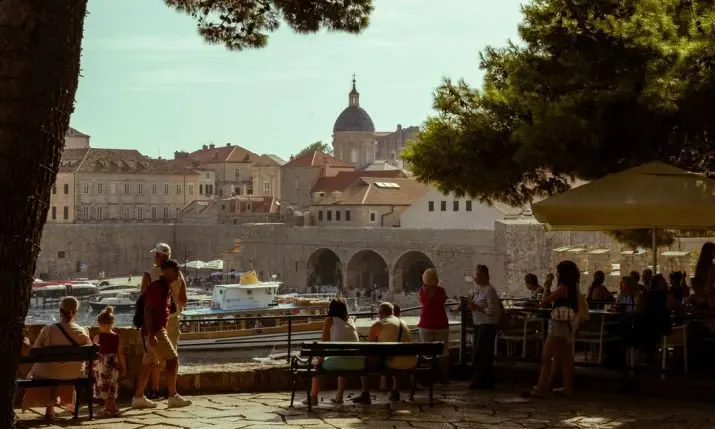
Why does this matter if you're planning a trip? A country earning more from shoulder-season travel has every incentive to keep museums, restaurants, ferries and flights running in May, June, September and October. Croatia has been actively trying to stretch its season along the Adriatic, so the usual advice to avoid peak August is getting easier to follow — better prices, thinner crowds, and increasingly open businesses in places like Split, Dubrovnik, Zadar and the islands.
The flip side of record revenue is a country that knows its own worth. Prices along the coast have climbed over the past decade, and the numbers suggest demand isn't slowing. Booking earlier, or picking quieter stretches of coastline beyond the headline towns, is the savvy move for 2027.