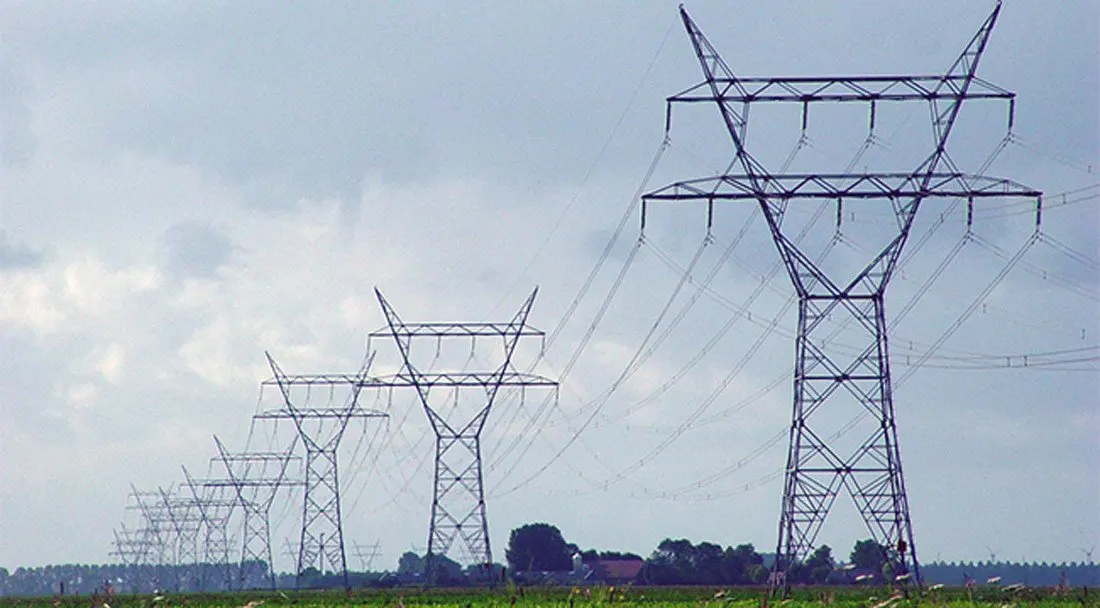
Nepal's grid has taken a heavy hit this monsoon season, and the country is now scrambling to buy power from next door. The Nepal Electricity Authority (NEA) is arranging imports of 1,154 megawatts from India, moving electricity across the border via the Dhalkebar-Muzaffarpur and Tanakpur-Mahendranagar transmission lines, among others.
The shortfall has two causes. Last month's flood on the Trisuli river knocked out more than 400MW of generating capacity at existing hydropower plants. Then, just last week, fresh landslides and floods damaged generation and transmission infrastructure, temporarily removing another 800MW from the national grid. Combined with rising demand, that left the NEA with little choice but to lean on cross-border supply.
For visitors, the practical upshot is straightforward: Nepal has largely moved on from the era of scheduled daily load-shedding that ended a few years back, but the monsoon can still cause localised outages, especially in hill districts and areas fed by damaged transmission lines. Cities like Kathmandu and Pokhara generally stay supplied, and hotels in tourist areas almost all run backup inverters or generators, so charging devices, lights and fans are rarely a problem. More remote lodges on trekking routes may have patchier power, so a power bank is worth packing at any time of year.
The wider context is that Nepal's electricity system is overwhelmingly hydropower-based, which makes it both cheap and vulnerable in a season when the same rivers that fill the turbines also flood. Imports from India act as the safety valve, and the scale of this purchase — over a gigawatt — shows just how significant the monsoon damage has been. Travellers planning trips in the immediate aftermath should expect occasional short blackouts rather than anything disruptive, and can follow NEA updates if reliability matters to their plans, for example for work trips or medical travel. Anyone trekking during or just after the monsoon should also account for trail and bridge damage from the same weather events, which is often the bigger logistical issue than electricity.
Bottom line: this is a reminder that Nepal in monsoon season runs on a fragile system — spectacular, but easily knocked around by the weather. Pack a power bank, book accommodation with backup power if you need to stay connected, and don't let the grid worry you much beyond that. — Nepali Times