Curaçao's tourist board has launched a new programme called Dushi Bario that hands the storytelling to the people who actually live there. The idea: pick one neighbourhood to start, train residents as guides and cultural ambassadors, and let them decide which parts of local history, food and craft they want to share with visitors. Neighbourhood organisations have until 30 November to apply, with an independent committee making the pick and further communities expected to follow if the pilot works.
It's a shift away from the usual top-down tour model. Instead of a scripted route, a walk might cover the story behind a building locals pass every day, or stop at the home of someone who makes traditional sweets. The board is working with the island's ministries of social development and economic development, and sees clear upside beyond tourism: makers who already cook, bake or craft can earn extra income by demonstrating and selling where they produce, and residents who've never worked in tourism get a way in.
Some of the proposed improvements are purely for the neighbourhood itself — green spaces, recreation areas, public recycling facilities — which is a useful signal that the programme is meant to serve residents year-round, not just visitors on a two-hour walk. The first Dushi Bario is also designed as a template, so other community organisations can see how visits are organised and what residents choose to share before signing up themselves.
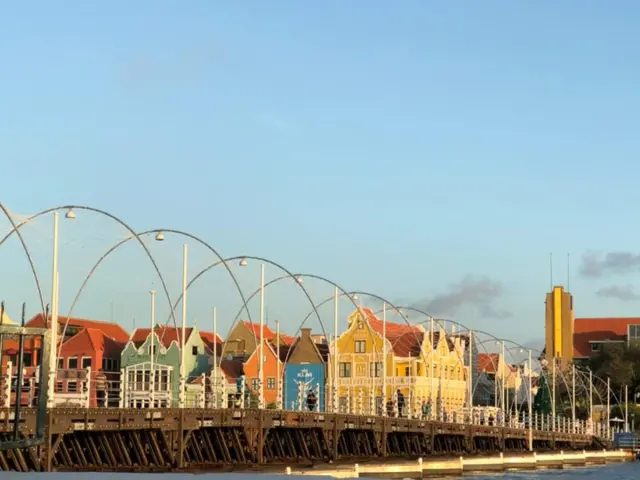
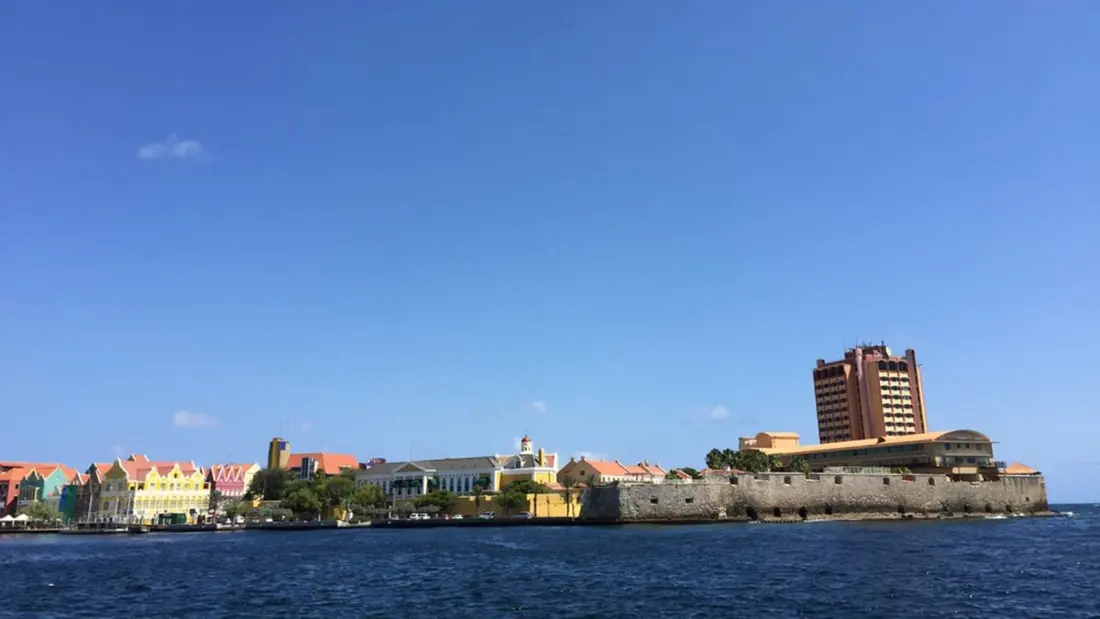
Curaçao already hints at what this could look like. Willemstad's districts each have their own pull: Pietermaai's restaurant-lined Kaya Wilson (Papa) Godett is the evening strip, while crossing the pontoon Queen Emma Bridge to Otrobanda drops you into the narrow lanes of Kura Hulanda Village, where shops, eateries and homes share the same streets. Downtown, a mural by Curaçaoan artist Deidre Polonius at the visitor centre sketches the island's architecture, marine life and heritage in one sweep.
For travellers, the practical part comes next: once the first neighbourhood is announced, watch for details on how to join a resident-led walk or visit a local maker. If you like the idea of seeing an island through the eyes of people who live on it rather than through a coach window, this is one to keep on your radar for a future Curaçao trip.