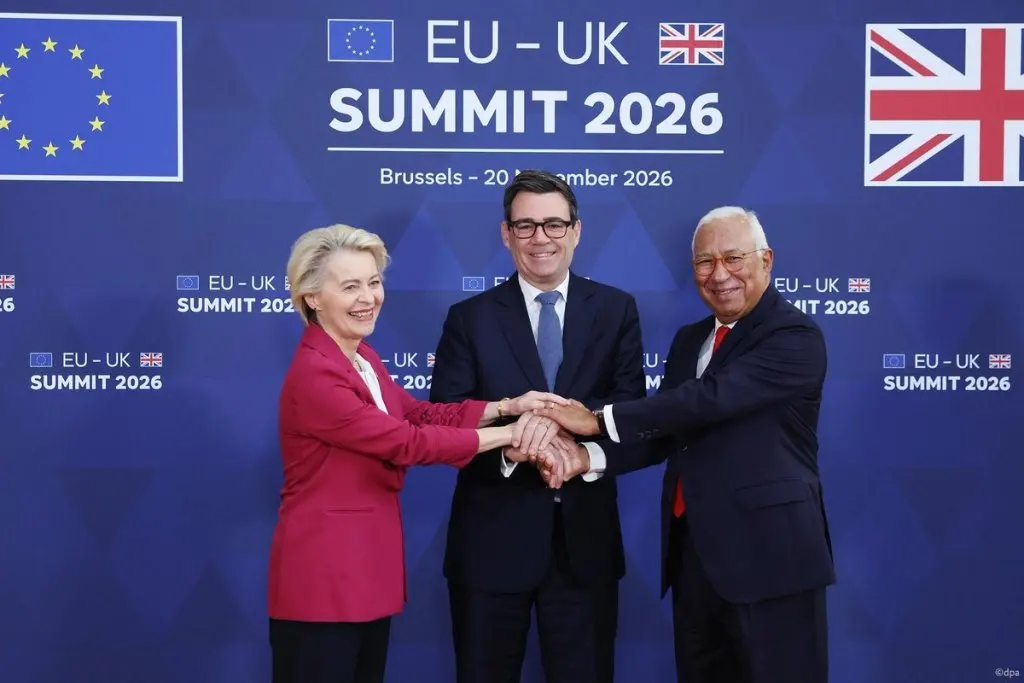
Young Brits and Europeans just got a much easier route to living, working and studying on each other's side of the Channel. At a UK–EU summit in Brussels, both sides agreed to a Youth Experience Scheme that will let up to 100,000 people from each side spend up to three years in the other's territory — working, studying, volunteering, travelling or even working as au pairs.
The paperwork is still being finalised. The joint statement targets application of the deal by 2028, with opportunities guaranteed by January 2030 at the latest. Britain is also rejoining the EU's Erasmus+ exchange programme in 2027, a win for students who lost access to it after Brexit.
One sticking point remains: tuition fees. Brussels wants EU students at UK universities to pay the same rates as domestic students, and London has pushed back. Both sides have given themselves six months to resolve it, covering fees in both directions and applying regardless of which immigration route a student uses.
The summit went beyond youth mobility. Most post-Brexit checks on food and agricultural goods will be scrapped, cutting the certificates and inspections currently required for shipments of animals and plants between Great Britain and the EU, with smoother movement to Northern Ireland under the Windsor Framework. Both sides aim to apply that from 1 March 2028. There's also a carbon deal, targeted for the same year, recognising each other's emissions allowances and exempting goods from carbon border charges — subject to legal procedures.
Prime Minister Andy Burnham, who took over from Keir Starmer in July, called it a 'historic moment' and estimated the package could add 0.5% to UK GDP, with cheaper food imports easing supermarket prices. Commission President Ursula von der Leyen labelled it 'a turning point'. Not everyone agrees: Reform UK leader Nigel Farage called the requirement to follow some EU standards a betrayal of Brexit, saying the great Brexit debate has started again.
For travellers, the practical upshot is real. If you're aged roughly 18 to 30 (or thereabouts, once final eligibility rules are published) and have fancied a year or three waiting tables in Barcelona, studying in Dublin or au pairing in Paris, this scheme should make it straightforward without needing a hard-to-get work visa. British travellers will also notice smoother logistics in time for 2028 — fewer delays for anything food-related crossing borders, and potentially easier conditions for trips that loop in Northern Ireland.
Politically, Burnham has ruled out rejoining the single market or customs union for now and kept freedom of movement limits in place this parliament, but he's leaving longer-term options open — a question that divides his own party and will run through to the next general election, expected in 2029. EU leaders say the door stays open, though any rejoining bid would need unanimous support from all 27 member states.
The defence and migration cooperation covered at the same summit matters less to holidaymakers, but the direction of travel is clear: after years of friction, moving between Britain and Europe is getting simpler again — especially for young people with time on their hands.