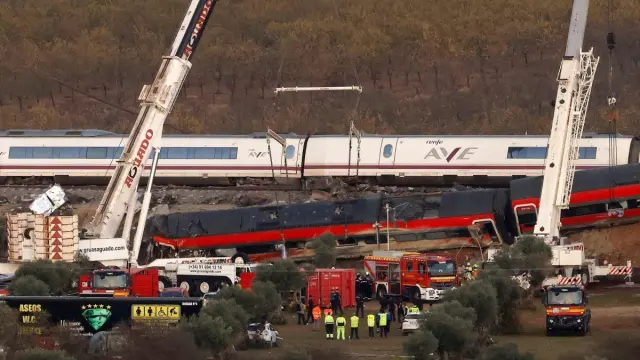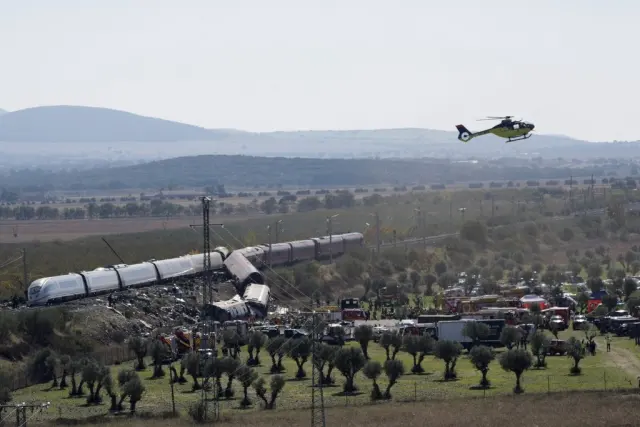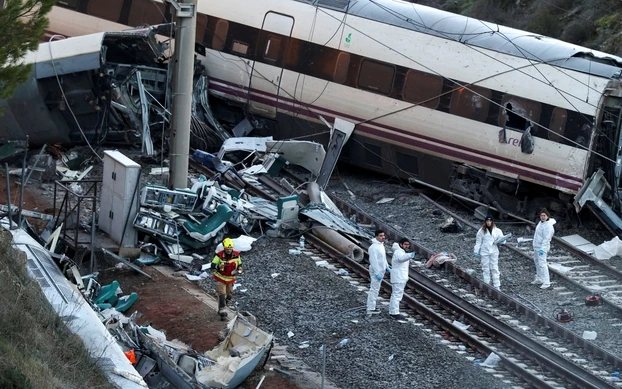
At least 30 people died and the toll is expected to climb after two trains collided in Castilla-La Mancha, forcing Spain to suspend its busiest high-speed rail corridor.
The crash happened when a Renfe AVE high-speed train running from Madrid to Seville, carrying 397 passengers, rear-ended a stationary train operated by private carrier Iryo, which had 147 people on board. Both trains had been travelling in the same direction. The force of the impact derailed two passenger carriages.
Esther Padilla, spokesperson for the Castilla-La Mancha regional government, told national broadcaster TVE that the death toll would likely rise. By the afternoon of October 28, regional authorities had confirmed 30 dead. Emergency response was swift and large-scale: regional firefighters, three medical helicopters and two mobile intensive care units were sent to the scene, while Madrid's city hall dispatched extra medical squads and firefighters under orders from mayor Jose Luis Martinez-Almeida. In the nearby town of Urda, mayor Manuel Galan said a municipal sports arena was prepared to receive victims.
The political response came quickly. Prime Minister Pedro Sanchez said he was deeply shocked and stayed in contact with Transport Minister Oscar Puente and regional leader Emiliano Garcia-Page. The Civil Guard deployed a specialised disaster investigation team, and the formal cause of the crash has not yet been determined.
For travellers, the immediate consequence is disruption on a major artery. Rail infrastructure agency ADIF suspended all high-speed services between Madrid and Andalusia, the route linking the capital with cities such as Cordoba and Seville. Anyone holding AVE tickets on that corridor in the coming days should expect cancellations or long delays and check Renfe's channels before heading to a station.
The disaster also lands amid a grim pattern for Spanish rail. It follows a derailment in southern Spain nine months earlier that killed 45 people, and echoes the 2013 catastrophe near Santiago de Compostela that claimed 80 lives. Those repeated events are sharpening questions about rail safety oversight in a country otherwise known for one of Europe's most extensive high-speed networks. The story has international dimensions too — Italy's foreign minister Antonio Tajani said the Italian consulate in Madrid was checking whether any Italian citizens were among the casualties.
If you have rail travel booked in Spain, the practical advice is straightforward: monitor ADIF and Renfe updates, allow extra time for alternative connections, and consider coaches or domestic flights between Madrid and Andalusian cities until the line reopens. Madrid-Barajas airport remains fully operational, and long-distance bus services run from the capital to Seville, Cordoba and Granada. Travellers already in the region should avoid the area around the crash site while emergency and investigation work continues.
Rail remains a safe way to cross Spain in statistical terms, but until investigators explain what went wrong, expect heightened checks, schedule changes and some nervousness on the network. Refunds and rebooking rights typically apply for suspended Renfe services, so keep your booking reference handy.