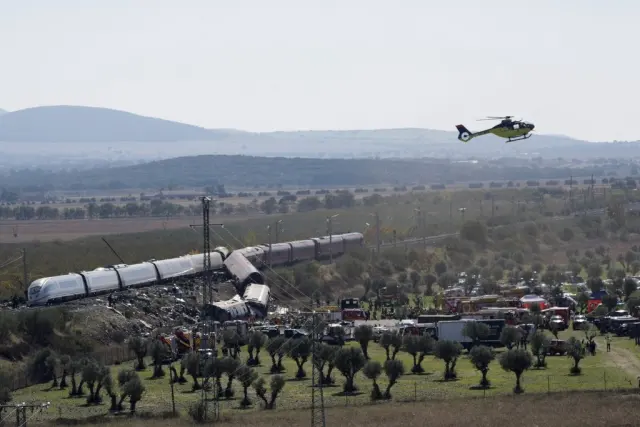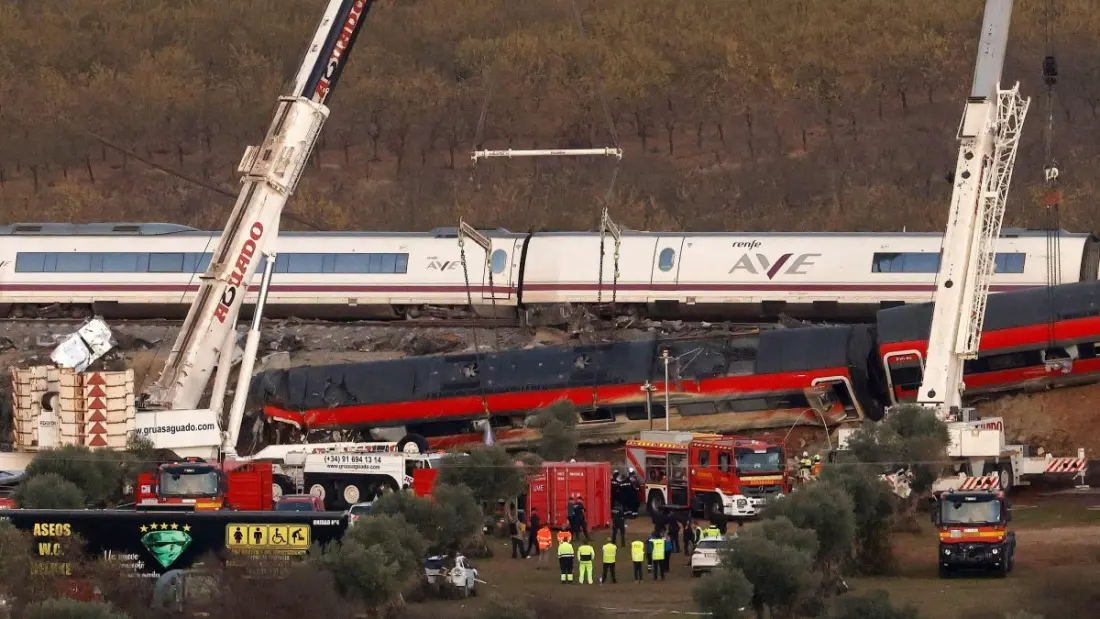
A collision in Toledo province on Wednesday has killed 69 people, making it Spain's second major train disaster this year on the same high-speed corridor — and it has turned a spotlight on both a possibly fatal human decision and a safety system that was already past its retirement age.
The chain of events began at 8:30 a.m. when LZB, the decades-old system that tracks train positions and can automatically brake trains to prevent crashes, went offline. That forced controllers at a Madrid control centre to manually manage six trains across a 63-kilometre stretch of the Madrid-Seville line. Minutes later, a controller authorised a state-run RENFE train to resume normal speed — despite a stop signal still being active and another train, operated by private operator IRYO, sitting on the line ahead. The IRYO engineer, notably, could not override his train's automatic stop and flagged the problem. At 8:53 a.m., the two trains collided, tearing carriages apart.
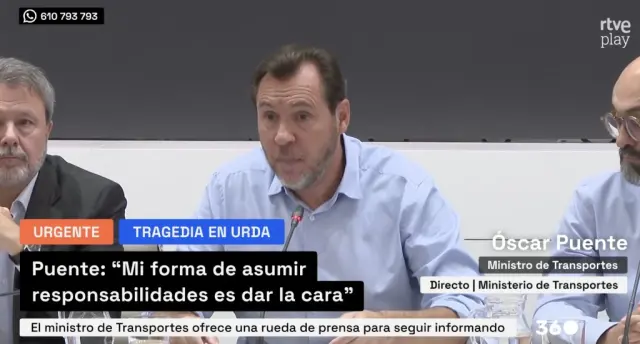
Transport Minister Oscar Puente, who is facing resignation calls, called the controller's decision "erroneous" and said the RENFE train should never have been given the all-clear with a red signal showing. But the railway unions see it very differently. Spain's traffic controllers' union says staff have warned for years that they are understretched, handling heavier workloads with too few colleagues while safety systems keep failing. The engineers' union SEMAF points out the LZB system has dropped out repeatedly in the past and should have been replaced long ago. Railway workers walked out on Thursday in a previously planned strike demanding safety commitments made after January's crash — which killed 46 people further south on the same route — actually be honoured.
There's a bigger backdrop, too. Spain opened its high-speed network to private competition in 2021, and traffic has climbed sharply since; daily Madrid-Barcelona services rose from 56 in 2019 to 89 in 2024. Union representatives question whether the increase in services has been matched by proper investment in maintaining the lines, even while stopping short of calling liberalisation a direct cause.
A judge and a special government commission are investigating separately, and Prime Minister Pedro Sanchez has promised a full inquiry. King Felipe VI, visiting injured passengers in Toledo, said measures must follow so it never happens again.
For travellers: Spain's high-speed network remains one of Europe's busiest, and the Madrid-Seville route in particular will see disruption, investigations and likely political fallout in the weeks ahead. Anyone with bookings on RENFE or IRYO services should watch for schedule changes and operator updates. The wider story — an ageing safety system under strain and a workforce stretched thin — is worth following if you regularly travel by rail in Spain, because the outcome of this inquiry will likely shape how the network runs for years.