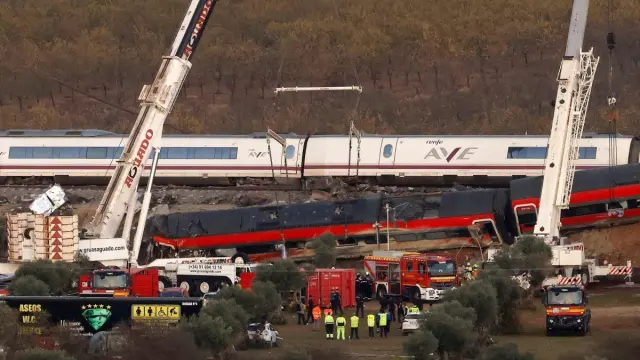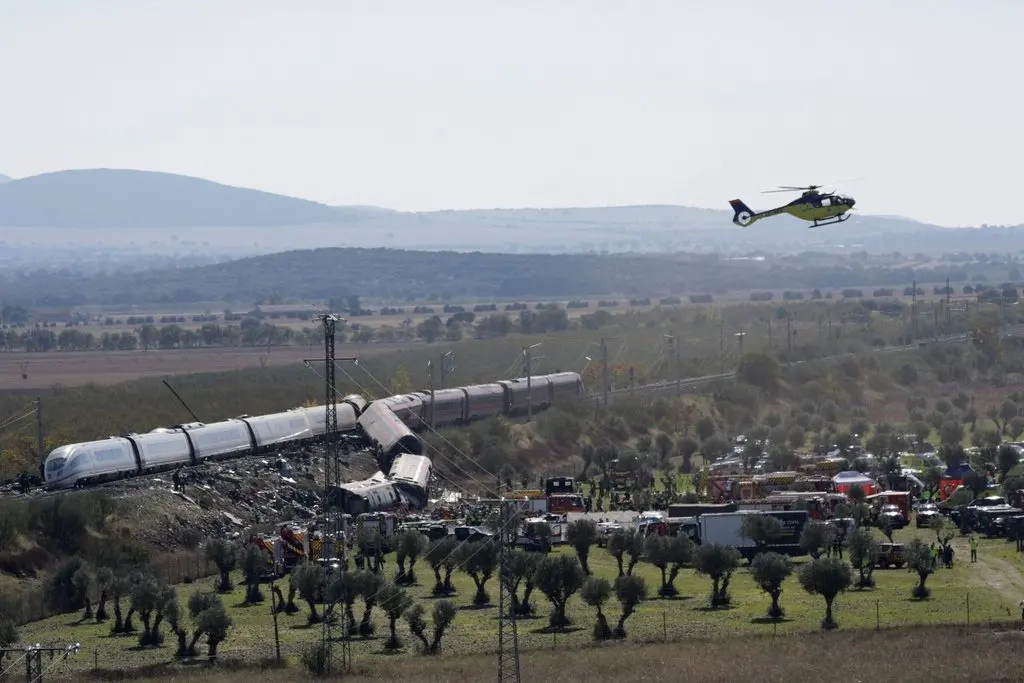
Spain is dealing with the deadliest rail disaster in over a decade. On the morning of October 28, two high-speed trains collided near Toledo, south of Madrid, killing at least 69 people and injuring more than 100. The crash happened around 8:53 AM between the towns of Mora and Orgaz, when a Renfe train running from Madrid to Seville slammed into the back of a stationary Iryo service, sending three carriages down an embankment.
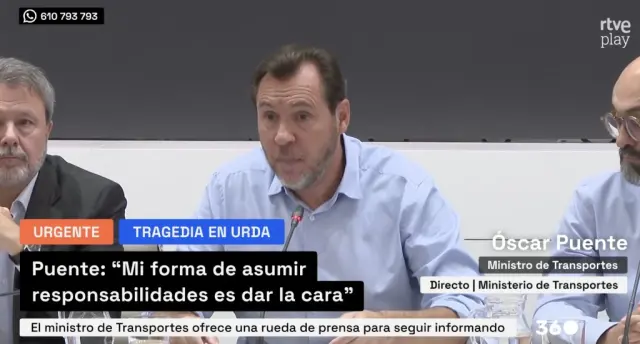
The details emerging from the investigation are troubling. Earlier that morning, Spain's aging LZB automated safety system failed across a 63-kilometre stretch south of Toledo, forcing controllers at Madrid's Atocha operations centre to switch to manual dispatching. What followed, according to Transport Minister Óscar Puente, defies standard procedure: the Renfe train was given clearance to proceed despite an active red signal and no speed restriction — accelerating to roughly 200 km/h shortly before impact. Protocol says that when automated signalling is down, trains should crawl at around 40 km/h so drivers can stop in time for anything on the track ahead.
Radio recordings released by Spanish media suggest dispatchers told the Renfe driver to run at normal speed without confirming whether the Iryo train ahead had cleared the section. That train never restarted; the driver had radioed that it was stuck. Unions, though, have pushed back on assigning individual blame, noting the leaked audio may be edited and incomplete.
There's a wider systemic story here. Rail experts point out that LZB is obsolete and has been phased out elsewhere in Europe, with replacements promised since 2021 but never installed on this corridor. The SEMAF drivers' union says its warnings about maintenance went unheeded, and safety talks that began after January's fatal crash in Adamuz collapsed in April. This year's collision is Spain's third fatal rail accident of 2025.
The human toll is still being tallied. The two trains carried more than 540 people between them, 42 of them foreign nationals from seven countries. Forensic teams are working through 67 missing-person reports, and three days of national mourning began on October 29. Among the dead is former minister Fátima Báñez; several American citizens were also injured.
For travellers: Spain's high-speed network remains one of Europe's most extensive, but this crash — and the safety questions around it — is a reminder to check service status before travelling on Madrid–Andalusia routes while the investigation continues. Renfe and Iryo disruptions are likely in the short term, and compensation schemes for affected passengers are being rolled out.