Delta is overhauling its Delta One business class experience, and the changes are about everything around the seat: new meals, a stronger drinks list, designer amenity kits, and more flexibility over when and how you dine. The refresh starts on transoceanic flights out of Los Angeles this fall, then spreads across the network in early 2027 — meaning most travellers will benefit without needing to wait for a brand-new aircraft.
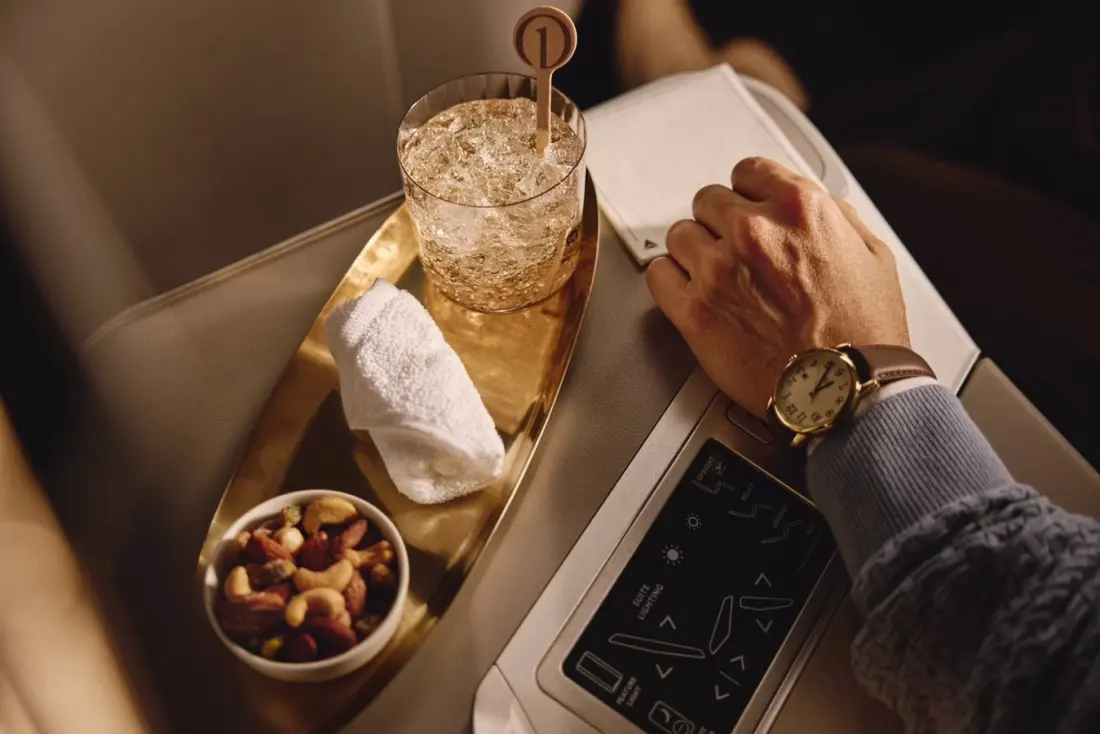
The dining service opens with what Delta calls a "sip and settle" moment: hot towel, warm nuts and a drink delivered on a gold plate to your console. The new menus lean familiar rather than fussy — a Wagyu beef burger, regionally inspired fish dishes, updated sundae toppings, and a dairy-free sorbet that comes with an optional Taittinger Champagne float. New tableware features the Delta logo worked into the design, plus individual sauce ramekins and freshly cracked pepper.
Flexibility is the real headline. Meal pre-selection now closes 18 hours before departure instead of 24, so late bookers still get a say. There are more gluten-free and lighter dishes, and — arguably the smartest addition — a coffee-and-croissant option for passengers who'd rather skip the full pre-arrival meal and sleep instead. On an overnight flight, being left alone to rest can be the best service of all.
The drinks program steps up considerably. Taittinger Champagne rolls out in domestic Delta One, with Silver Oak pouring on international routes through the October 2026 to March 2027 rotation. Dassai 45 sake arrives on Tokyo Haneda routes from November 3, Blanton's Single Barrel Bourbon lands December 1, and Hugo Spritz and Paloma cocktails (with non-alcoholic versions) follow on international routes in March 2027 and domestically in April 2027.
The amenity kit also gets a fashion upgrade. Missoni "Winter Elsewhere" kits arrive November 3 with Grown Alchemist skincare, Marvis dental products and a wrist strap so the bag stays useful after landing. The current cuddle pillow is being replaced with a Missoni Mini pillow across transoceanic routes, and Bombas socks return on select flights.
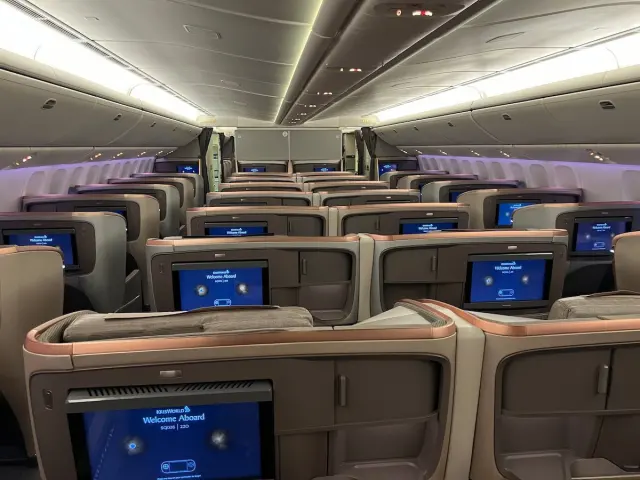
One caveat worth noting: soft-product improvements don't change the hardware. Some Delta One cabins — notably on older 767-300s — remain dated and cramped, so it's still worth checking the aircraft type before booking. And the success of the whole revamp ultimately rests on crew execution; an attentive crew elevates a simple meal, while an inattentive one squanders even the finest catering. There's also a question of pace — a brisk dinner service on a short overnight beats an elaborate two-hour procession.
Still, this is a meaningful push in a market where American and United have both raised their game. If Delta pairs the new menus and drinks with genuinely attentive, passenger-paced service, Delta One regains an edge on transatlantic and transpacific routes — and for anyone booking a long-haul in 2027, the soft product may now matter as much as the seat map.