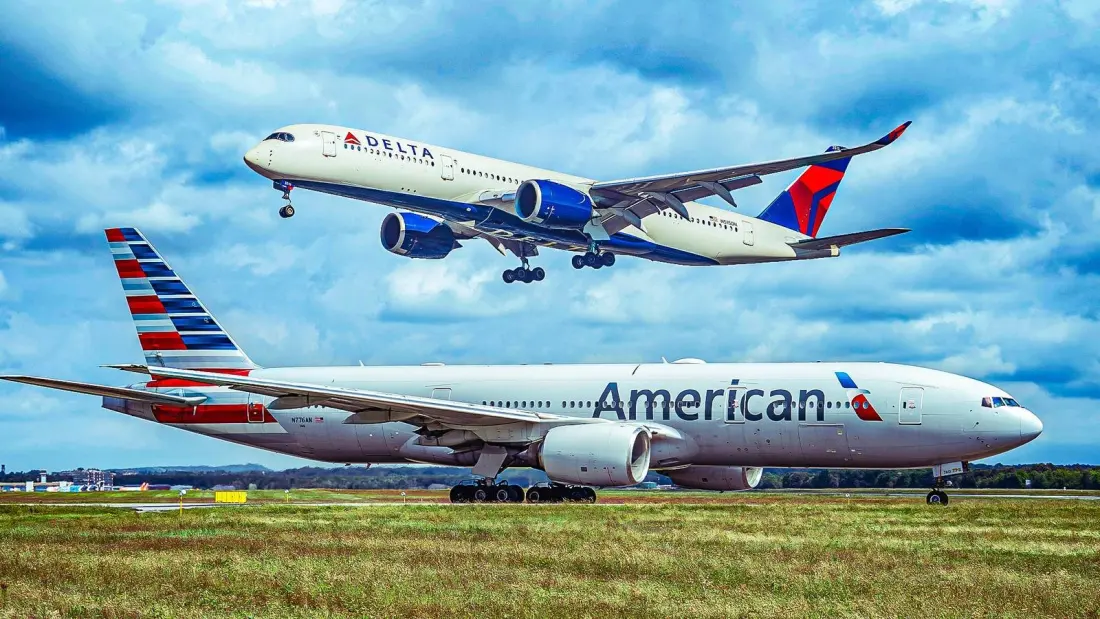
Not all airline miles are created equal. If you're deciding where to lock in your loyalty for 2026, the numbers favour American Airlines' AAdvantage over Delta's SkyMiles — but the full picture is more complicated.
Start with raw value. NerdWallet pegs an AAdvantage mile at about 1.7 cents, while The Points Guy puts it at 1.45 cents. Delta SkyMiles are valued at 1.2 cents by both outlets — the same figure given to United's MileagePlus. Delta and United have both faced criticism for devaluing their programs, and AAdvantage currently offers a clear edge in what each mile actually buys.
Earning elite status is easier with American too. Delta uses Medallion Qualifying Dollars — $5,000 for Silver up to $28,000 for Diamond — which you mostly earn per dollar spent on Delta flights. American uses Loyalty Points, awarded per eligible mile flown, with tiers at 40,000, 75,000, 125,000 and 200,000 points. Since it's easier to rack up Loyalty Points than MQDs, frequent flyers can climb American's ladder (Gold through Executive Platinum) faster.
Credit cards sharpen the contrast. American's top-tier AAdvantage Executive World Legend Mastercard ($695 annual fee) includes unlimited Admirals Club access. Delta's comparable Reserve Amex ($650) caps Sky Club visits at 15 per year unless you spend $75,000 annually. SkyMiles counters with perks of its own: miles never expire (AAdvantage miles die after 24 months of inactivity) and there are three business cards versus American's one.
The alliance angle matters for international travellers. AAdvantage's top two tiers unlock oneworld Emerald, the highest alliance status tier going — better than anything SkyTeam offers Delta members. American also still publishes a partner award chart and allows economy-to-business upgrades, while Delta is dynamic pricing and next-cabin-only upgrades.
So is AAdvantage the obvious winner? On paper, mostly yes. But two practical realities cut the other way. First, Delta's in-flight experience is widely rated better — nicer Sky Clubs and seatback entertainment on nearly all narrowbodies. Second, and most decisively: geography. If you live near a Delta fortress hub like Atlanta or an American stronghold like Dallas/Fort Worth, the dominant carrier's schedule and network will shape your travel far more than any loyalty perk. For travellers in competitive markets like New York or Los Angeles, though, the maths increasingly points toward American.