Delta boss Ed Bastian reportedly told an industry event that his airline turned down Starlink for a blunt reason: "We do not want to be with Elon Musk." According to aviation watcher JonNYC, Bastian also said Delta had tested the satellite internet service but walked away anyway, adding that "it's all true what they say" about Musk's reputation.
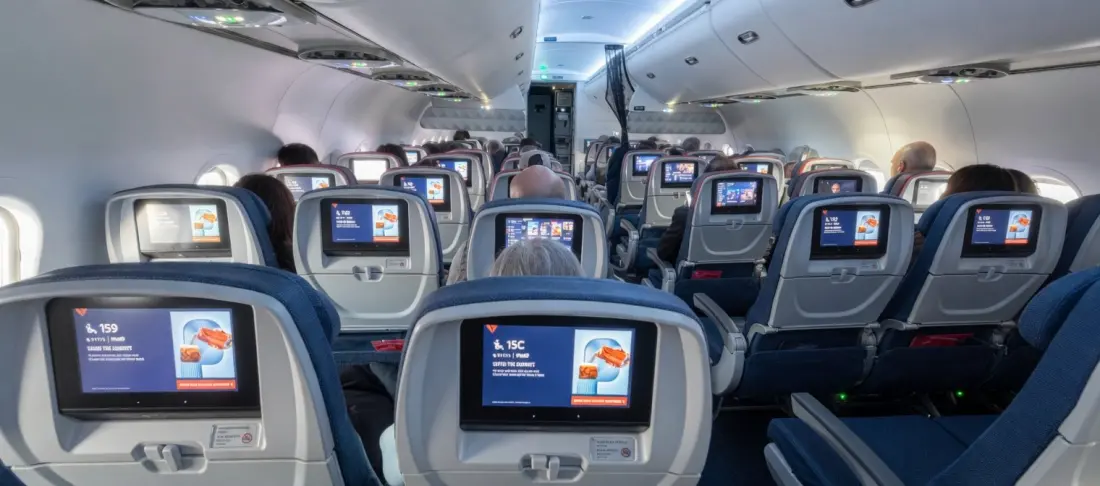
The comments prompted a response from Musk himself on social media, who declared Bastian "will lose his job over this" and mocked Delta's onboard connectivity, joking that the best way to sandbox an AI would be to put it on a Delta flight where it had no chance of getting online.
So why did Delta say no? The airline chose Amazon's rival Leo service instead, citing a stronger commercial package: Amazon bundles the wifi with Studios content and cloud services, and allows Delta to keep access behind its own branded portal — something Starlink reportedly refused. The catch is timing. Amazon Leo is not even in beta yet, meaning United and Southwest will have their whole fleets running genuinely fast satellite internet years before Delta starts. Delta has only announced Leo for around half its fleet.
Musk's rivals are moving fast. United, Southwest, American, Alaska and even budget carrier Frontier have all committed to Starlink, and several are already rolling it out at speed — often free for passengers. That leaves Delta facing a stretch where nearly everyone else in the US sky offers better connectivity than the country's self-styled premium airline.
The argument in the original report cuts against Musk's prediction, though. Bastian may not lose his job over insulting Musk, but he might over the bet itself: locking into an unproven technology, ceding a two-year head start to United, and risking Delta's premium reputation — the margin advantage that justifies its fares and drives its lucrative co-brand credit card spending. Frequent flyers who work in the air and choose airlines partly on wifi quality will feel that gap most acutely.
For travellers, the practical takeaway is simple: if fast, free inflight internet matters to you, Delta will lag the pack for the next couple of years while United and Southwest pull ahead. Delta's loyalists have time on their side — Leo should eventually arrive — but anyone booking long-haul or transcon work flights in the near term may want to check the wifi situation before they commit.