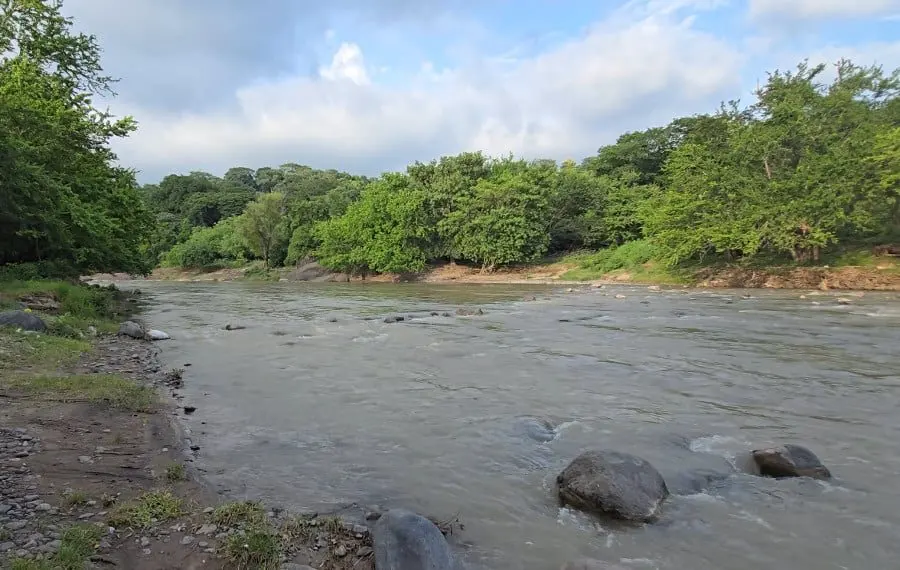
El Salvador is famous for its surf breaks and volcano hikes, but the smallest country in Central America is also laced with hundreds of rivers — and a handful of them are genuinely worth planning a trip around.
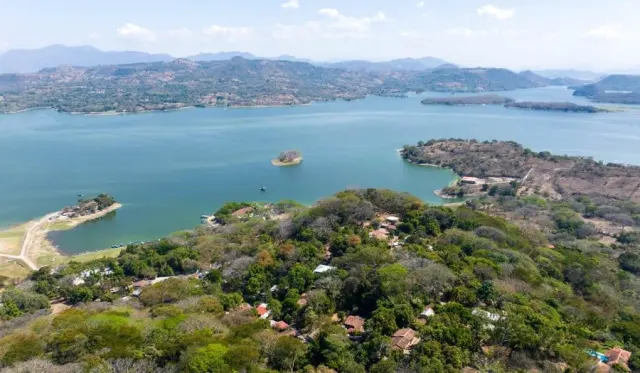
The heavyweight is the Lempa. It rises in Guatemala, cuts through Honduras, then crosses much of El Salvador's interior before reaching the Pacific. It's the country's longest river and its most important: farmers irrigate from it, and hydroelectric dams on the Lempa system supply a big share of the national grid. Two other waterways double as international borders — the Paz River in the west, marking the line with Guatemala, and the Goascorán in the east, along the Honduran frontier.
Elsewhere, the Grande de San Miguel drains the country's east, the Jiboa runs from volcanic highlands down to the coast in the centre, and the Sumpul in the north feeds into the Lempa system. The Sumpul and the Torola, which flows through Morazán, both carry heavy civil war history — the 1980 Sumpul River massacre is a sombre reminder that these waterways are more than scenery. The Acelhuate, which runs through San Salvador, is the cautionary tale: heavily polluted by urban wastewater, it shows what happens when a river and a big city collide.
For travellers, the standout is the Sapo River in Morazán, in the country's northeast. It's known for clear water, natural pools and rocky formations shaded by forest — a very different experience from El Boquerón or the beaches of El Tunco. Closer to home for locals, riverside swimming holes fill up with families on weekends and holidays, and rivers pair naturally with the country's waterfalls if you're building a freshwater-themed itinerary.
One big practical note: timing matters. El Salvador has sharp wet and dry seasons, and heavy rain can make rivers rise fast, with strong currents and flooding a real danger. Locals advise never swimming after heavy rain, heeding warning signs, and not trusting clear water as a safety signal — conditions change quickly and water quality varies by location.
Why does this matter for a holiday-planner? Because El Salvador is compact — you can swim in a mountain river in the morning and reach the coast by afternoon. The rivers also explain a lot about the country: where towns grew, why the farmland is fertile, and how hydro power keeps the lights on. If you're the kind of traveller who's done the beaches and wants birdwatching, nature walks and a dip somewhere green and quiet, the river country of the interior and northeast is your next stop.
Story via El Salvador Info.