After 533 miles on foot, the reward is the ocean. A trekker hiking the Camino de Santiago's Finisterre extension has logged day 38 — a 12.7-mile stretch from the stone hamlet of Olveiroa to the coastal town of Corcubión in Galicia, north-west Spain — and the arrival at the Atlantic delivers exactly the kind of payoff long-distance walkers chase.
The day starts with one of Galicia's quirkiest sights: an hórreo, a coffin-sized traditional granary balanced on stone pillars, some standing for centuries. From Olveiroa the trail climbs past windmills whose spinning blades throw huge shadows across the valley, then drops through pine and eucalyptus groves towards the crossroads at Hospital.
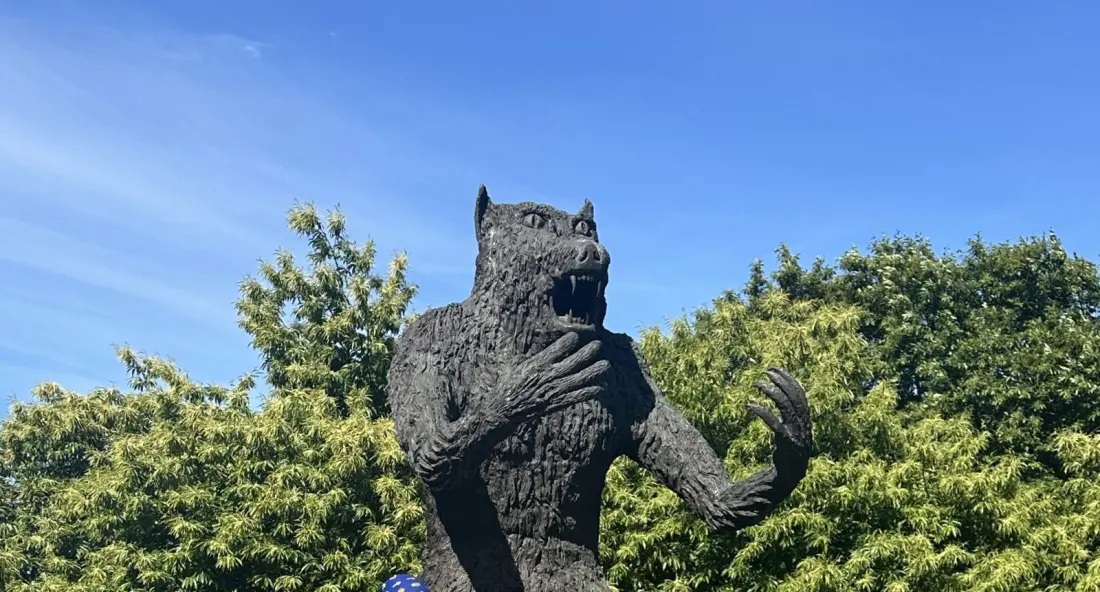
This stretch has a monster story attached. In 1489 a visiting bishop recorded an encounter with a beast called the "Vakner" in these woods, which Galician folklore later turned into a giant werewolf. There's a small welcome centre at the site today — a useful last stop, since the next services don't appear until the coast, eight miles away — and further on the trail passes a startling 15-foot bronze statue of the creature standing right beside the path. Unexpected werewolf art in a quiet forest is a highlight no guidebook quite prepares you for.
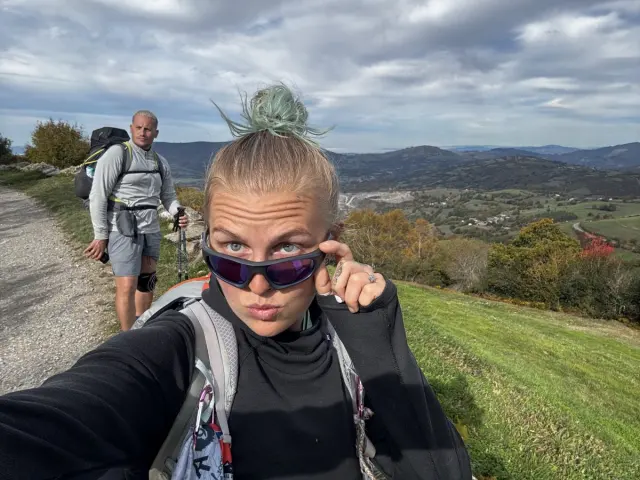
The walk also showcases why the Camino keeps drawing people back: the community. A Portuguese couple stops to treat a hiker's shin splints with painkiller cream and KT tape, then turns out to have cared for a Czech walker who'd needed an ambulance the previous day. Later, the group shares coffee and chorizo-and-egg sandwiches with trail friends before the forest opens up and the Atlantic appears for the first time — a coastline the Romans called Finis Terrae, the end of the known world.
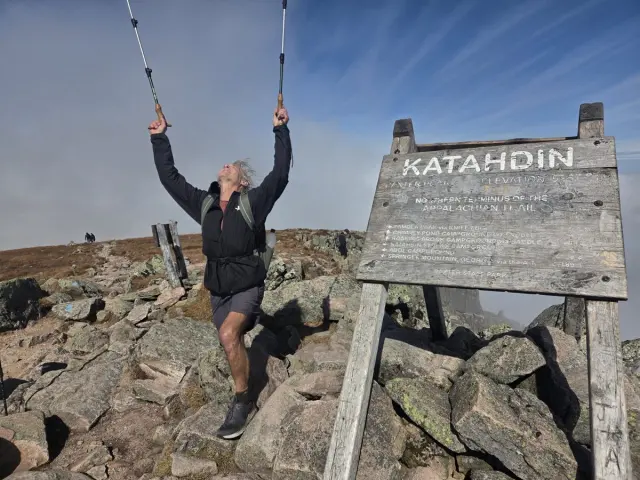
The final miles descend steeply to the twin harbour towns of Cee and Corcubión, where red-tiled buildings ring protected coves and the water is clear enough to watch fish beneath the quay. For the writer, reaching the sea triggers the same emotional landing as trail milestones like Harpers Ferry or Katahdin on the Appalachian Trail — that wave of accomplishment after hundreds of miles from the Pyrenees.
Why should a traveller care? Because this route is one of Europe's great walks and its final act is arguably its best. The Finisterre extension from Santiago adds roughly 90 kilometres to the classic Camino Francés and swaps crowds for windmills, folklore and empty ridgelines that end at the ocean. It suits anyone with two to three weeks, decent legs and a taste for villages where a medieval granary is just part of the street furniture. Pack for cool mornings even in summer — temperatures on this day sat in the low 50s Fahrenheit — and don't assume shops stay open late: in Cee, the grocery run becomes a sprint against closing time.