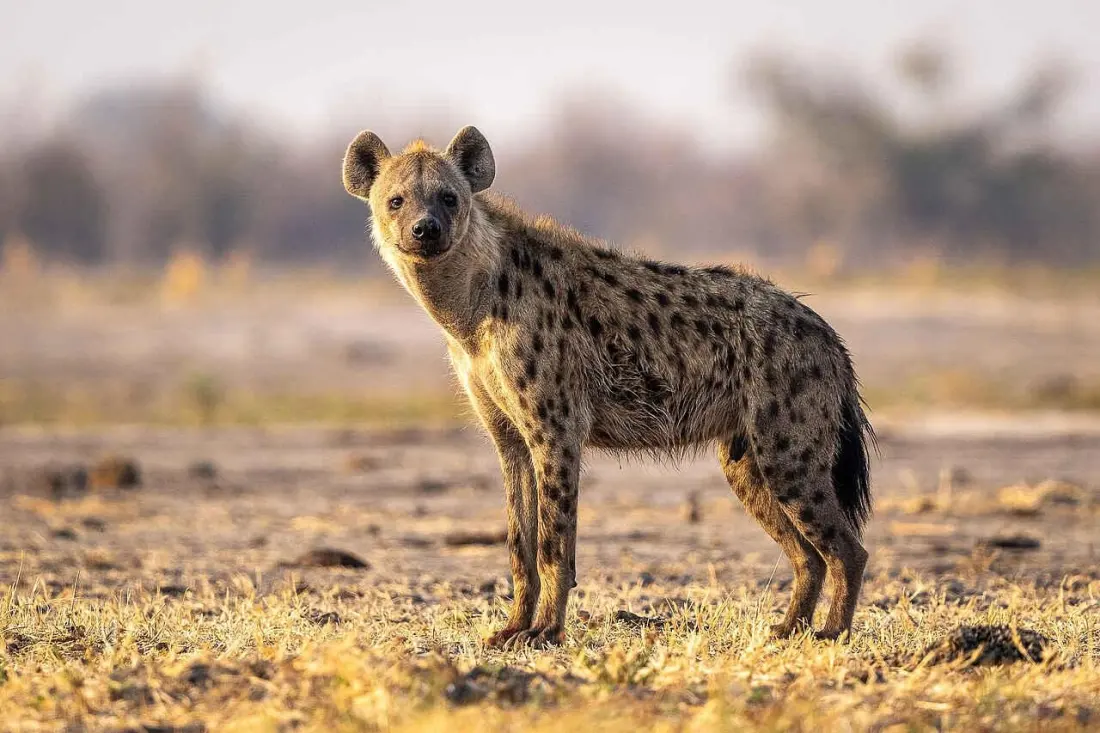
In Abu Ramad, a village at the foot of Jabal Elba in Egypt's remote Halaib Triangle, shepherds found two sheep killed and half-eaten, with bite marks far too big for a dog. Following oversized prints by car, motorbike and camel, locals tracked the animal to a cave — and discovered a spotted hyena, a species absent from Egypt for roughly five millennia. Before environment ministry staff could reach it, villagers had killed it with swords, sticks and rocks.
The animal had travelled nearly 300km of desert from Sudan, an extraordinary journey that ecologists link to changing conditions. Abdullah Nagy of Al-Azhar University analysed 20 years of satellite imagery and found a slight rise in vegetation between hyena territory in Sudan and the sighting site. Autumn rains have briefly turned the Elba Protected Area green, and rare plants like the Dragon's Blood tree — usually seen on Yemen's Socotra Island — have reappeared. Researchers suggest this greening may have created a corridor along the Red Sea coast, while conflicts in Sudan and Ethiopia could be pushing wildlife out of unstable habitats.
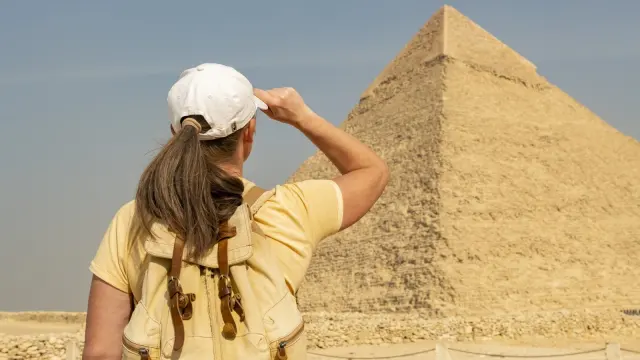
There's a historical irony here. Egyptologist Salima Ikram notes hyenas appear in art from the Old, Middle and New Kingdoms, including Saqqara tomb scenes showing them captured and force-fed for the table. Ancient Egyptians treated hyena meat as an exotic luxury and used the animals in medicine and ritual. Today's villagers, though, have no inherited memory of living alongside such a predator — and with livestock as their main livelihood, tolerance is thin. A 2014 encounter with an African leopard, Egypt's first in 65 years, ended the same way after it attacked livestock in Wadi Shalal.
Scientists are split on what happens next. Some expect more species to arrive as the region greens; others caution that data from the politically sensitive Halaib Triangle is scarce, and no further hyena sightings were reported by early 2025. Conservationists are now pushing solutions: compensating herders for lost animals, securing villages, satellite tracking with alerts, and — crucially — awareness campaigns delivered by respected local elders rather than outsiders.
For travellers, this is a reminder that Egypt's far southeast is one of its least-known wild corners. The Elba Protected Area, normally stark desert, briefly blooms after autumn rains and hosts species found nowhere else in the country. If more wildlife does establish itself there, it could become one of northeast Africa's most unexpected nature destinations — provided the next arrival is met with a better plan than swords and sticks.