Health authorities in the Dominican Republic are sounding the alarm over a sharp rise in dengue fever, just as the country continues to deal with flooding that has also driven up cases of leptospirosis. For anyone with a Caribbean beach trip on the books, it's worth knowing what's happening and how to protect yourself.
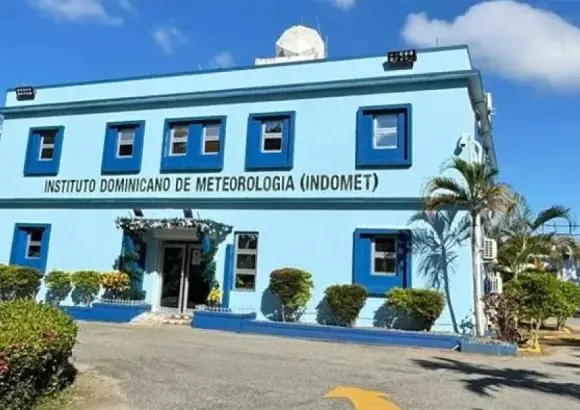
The Dominican Society of Infectology has flagged the numbers as concerning. The Ministry of Public Health's latest epidemiological bulletin recorded 612 confirmed dengue cases, more than double the 273 reported in the same period a year earlier. Leptospirosis — a bacterial infection spread through water contaminated by animal urine — has produced 305 cases and 21 deaths, prompting calls for stronger prevention and surveillance, particularly after recent heavy rains and floods.
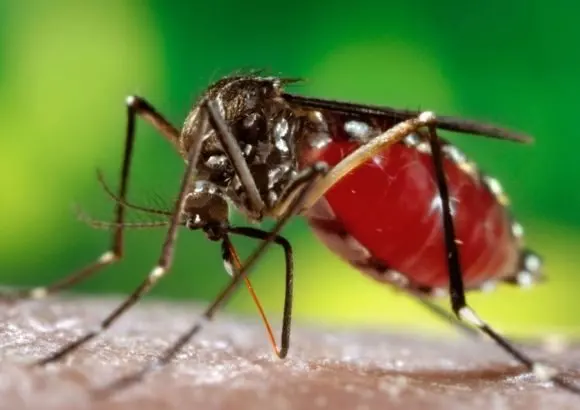
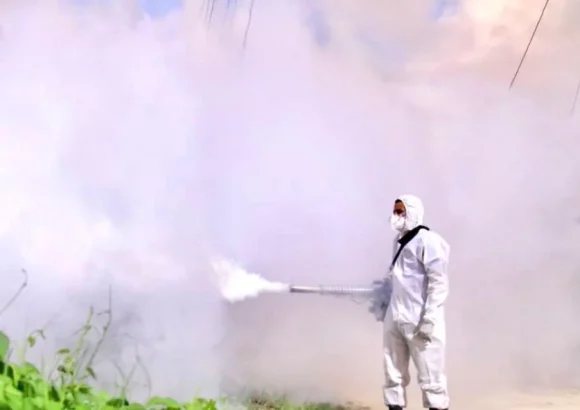
The advice for visitors is straightforward. Dengue is carried by mosquitoes that breed in standing water, so the Society is urging households and communities to empty containers like tyres, bottles, cans and buckets, clean roofs and gutters, and keep water tanks and cisterns covered and chlorinated. For individual travellers, that translates to the familiar but effective trio: use insect repellent, sleep under a mosquito net where needed, and wear clothing that covers arms and legs, especially at dawn and dusk.
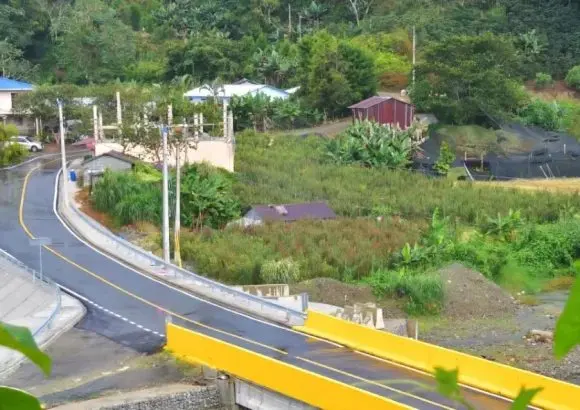
Leptospirosis is a different risk. It spreads through floodwater and mud, so avoid wading through flooded streets, and if you can't, wear waterproof boots and gloves — particularly important if you have any open cuts. Drink only treated or bottled water, wash your hands often, and bin any food that has touched floodwater.
Perhaps the most important medical note concerns medication. Dengue carries a real bleeding risk, and common painkillers like aspirin, ibuprofen and diclofenac can make that worse. If you suspect dengue, don't self-medicate with these drugs or take antibiotics without a doctor's advice — paracetamol is generally considered the safer choice for fever and aches, but check with a medical professional.
Know the warning signs, too. Fever, headache, muscle aches, nausea or general malaise after mosquito exposure or contact with contaminated water all warrant a doctor's visit. More serious red flags — severe abdominal pain, persistent vomiting, bleeding, breathing difficulty, reduced urination, or simply feeling much worse — require immediate medical attention, even if the fever has already come down. Travel insurance with medical coverage is essential; quality private clinics exist in Punta Cana, Santo Domingo and other tourist hubs, but treatment costs can add up fast.
None of this means cancelling a trip. Millions visit the Dominican Republic each year without incident, and simple precautions — repellent, sensible clothing, clean water, staying out of floodwater — cover most of the risk. The outbreak does, however, argue for packing a basic medical kit before you fly rather than improvising once there.
The Society's closing message is that prevention is a shared effort between families, communities and authorities. For travellers, it's mostly about not becoming the mosquito's next meal — and knowing when a fever needs more than a lie-down by the pool.