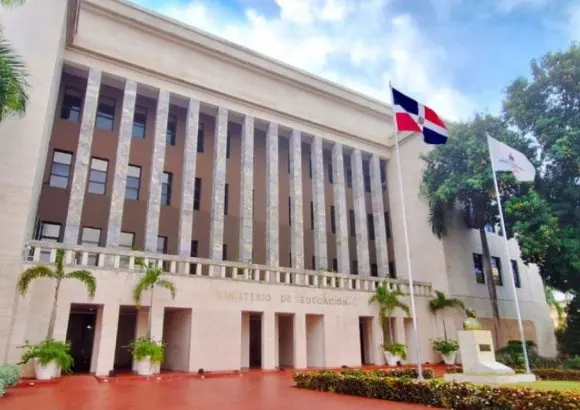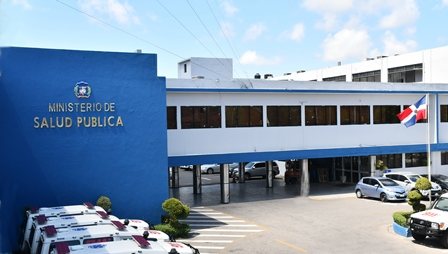
Heavy rains from a weather trough sweeping the Dominican Republic have prompted the Ministry of Public Health to activate its Health Emergency Operations Center and issue a national Epidemiological Alert for Floods. The concern isn't just wet streets — health officials are worried about waterborne illness in the days and weeks after flooding, and that matters if you have a trip booked to the island.
The main risks flagged are leptospirosis, a bacterial infection spread through water contaminated by animal urine, and acute diarrhoeal diseases linked to disrupted drinking water supplies. Authorities also warn of skin infections, respiratory illnesses tied to humidity, more mosquito breeding sites, and the practical problem of people losing access to routine medical care while floodwaters cut off communities.
In response, the ministry has set up situation rooms across provincial and area health directorates, with 113 risk management and environmental health specialists meeting on Tuesday alongside Pan American Health Organization and WHO representatives. Monitoring is already happening on the ground: at Robert Reid Cabral Hospital in Santo Domingo, officials checked emergency power provision and temporarily relocated consultations after a high-voltage incident damaged the building's main wiring, with the electricity company Edesur brought in to coordinate. In Batey 2, in Bahoruco province in the country's southwest, health teams and Civil Defense carried out an initial assessment and drainage work after the community flooded.
For travellers, this is less a reason to cancel than a prompt to plan sensibly. If you're heading to the Dominican Republic during or shortly after heavy rain, stick to bottled or treated water, avoid wading or swimming in freshwater that could be contaminated — rivers, puddles, flooded streets — and keep cuts and scrapes covered. Mosquito repellent is always worth packing in the Caribbean, and now doubly so with officials specifically citing increased breeding sites. If you're on prescription medication, bring enough for delays, since access to routine treatment is one of the challenges authorities themselves identified.
Resort zones on the coast are generally the best equipped to handle weather disruptions, but if your itinerary includes rural areas, the southwest, or smaller communities, keep an eye on local advisories and weather updates before setting out. Flooded roads can appear fast during tropical downpours. Travellers with flexible dates might consider travel insurance that covers weather-related disruption as standard.
The surveillance system is, in fairness, doing exactly what it's designed to do — catching problems early rather than after they spread. Hospitals and communities are being monitored continuously, and the ministry says it will keep coordinating with provincial authorities, medical facilities and civil protection agencies to ensure medical care reaches affected areas. For most visitors, the takeaway is simple: enjoy the beaches, respect the water, and stay informed while the rainy weather plays out.
Story reported by Dominican Today.